
Plants
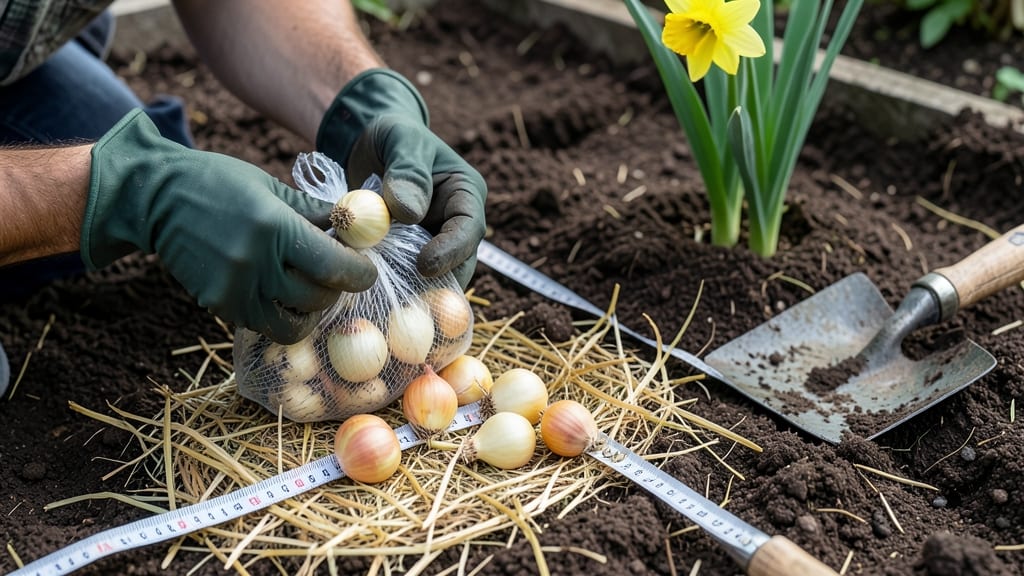
If you're dreaming of brightening your Massachusetts garden with cheerful 🌼 daffodils, timing your planting is the secret to success. Planting these hardy bulbs at the wrong time can mean wasted effort, but get it right, and you'll enjoy vibrant blooms that signal spring's arrival.
For gardeners in zones 5b-6b, the ideal window opens in October and closes before the ground freezes—usually by mid-November. This fall timing lets bulbs establish roots while they enjoy the natural chill they need to bloom beautifully next spring.
Why does timing matter so much? Daffodils need a period of cold dormancy to break, and planting too early risks rot while waiting until late can leave them vulnerable to winter's harshness. Let me show you exactly how to nail this window for maximum impact.
Whether you're a seasoned gardener or just starting, these insights will help you plant with confidence. With the right approach, your daffodils will reward you with bold, long-lasting color that brightens even Massachusetts' chilliest mornings.
Massachusetts daffodil planting timeline by hardiness zone (5-7)
Massachusetts spans USDA Zones 5b-6b, meaning our first frost arrives between October 15-20 and our last frost lingers until April 15. For daffodils, this creates a 6-8 week window in fall where timing makes all the difference between thriving bulbs and wasted investments.
The key? Plant when soil temps drop to 60°F or below but before the ground freezes solid.
Most Massachusetts gardeners should aim for mid-October to early November, but your exact deadline depends on your specific zone. In Zone 5b (western MA), you might squeeze in late November plantings, while Zone 6b (southeastern MA) offers a longer window until early December.
The goal is to give bulbs time to establish roots before winter sets in.
Here's the critical rule: Plant daffodils 6-8 weeks before your first hard frost. This timing ensures bulbs develop strong root systems while staying dormant through winter. In MA, that translates to October 1-31 as your prime window, with September 15-November 15 as your flexible range for exceptions.
Why this timing? Daffodils need chilling requirements of 10-12 weeks below 40°F to bloom properly. Massachusetts provides this naturally, but bulbs must be in the ground before soil temps drop below 50°F consistently. Plant too early in warm soil, and your bulbs will rot before winter arrives.
Don't overlook spring planting as a backup option. While not ideal, you can plant daffodils in early spring (March-April) if you missed fall. These bulbs will bloom one year later but still thrive. The trade-off? You'll sacrifice that first glorious spring display.
For container gardeners, the rules shift slightly. Potted daffodils should go in the ground by November 1 regardless of zone, as containers freeze more easily. If you must keep them in pots, choose deer-resistant varieties like 'Ice Follies' and move containers to protected areas.
Now let's break down the exact planting timeline by zone with our comparison table to help you pinpoint your perfect window.
| Zone | Ideal Planting Window | Soil Temp Requirement | First Frost Date | Notes |
|---|---|---|---|---|
| Zone 5b (Western MA) | October 15 - November 15 | Below 60°F consistently | October 20 | Earlier frost means tighter window; prioritize October |
| Zone 6a (Central MA) | October 1 - November 10 | Below 60°F consistently | October 25 | Flexible window allows late plantings if soil stays workable |
| Zone 6b (Southeastern MA) | October 1 - December 1 | Below 60°F consistently | November 1 | Longest window; December plantings may bloom later |
| All Zones (Spring Backup) | March 15 - April 15 | Above 40°F consistently | N/A | Blooms delayed by 1 year; not recommended for first-year displays |
Notice how the western MA zones have the tightest windows due to earlier frosts. This is why I always recommend checking your local USDA frost map or using a frost calendar app like Old Farmer's Almanac for precise dates.
Even a 1-2 week difference can mean the difference between thriving bulbs and frozen disappointments.
Pro tip: If you're unsure about your exact frost date, use the "backwards counting" method. Note your average first frost date, then count back 6-8 weeks.
That's your planting deadline. For example, if frost hits October 20, your deadline is September 1-15. This method works even if you're new to gardening in Massachusetts.
Remember that daffodil bulbs are toxic to deer, which is excellent news for Massachusetts gardeners dealing with these hungry visitors. Planting at the right time also helps deter rodents who might dig up your bulbs.
The combination of proper timing + deer-resistant varieties gives you the best chance for a low-maintenance, high-reward spring display.
Finally, don't forget that soil preparation matters just as much as timing. Work in compost or well-rotted manure before planting to improve drainage - a critical factor in Massachusetts' often wet springs. This preparation should happen 4-6 weeks before your planting window to give the soil time to settle.
How to choose the perfect planting spot for long-lasting daffodil blooms
Daffodils thrive in Massachusetts when planted in the right conditions—sunlight, drainage, and soil quality all play critical roles. Unlike some flowers, daffodils are tough enough to handle partial shade, but they’ll reward you with bold blooms when given 6+ hours of sun daily.
My garden’s best-performing daffodils get morning sun and afternoon shade, especially in hotter inland areas like Worcester.
Start by testing your soil’s drainage. Daffodils hate soggy roots, so if water pools after rain, amend the soil with compost or sand to improve airflow. In low-lying spots like parts of Boston’s Back Bay, I’ve seen daffodils rot within weeks—never plant in depressions where frost lingers.
A simple test: Dig a hole, fill it with water, and time how long it drains. If it takes more than 30 minutes, fix the drainage first.
For soil prep, mix in aged compost or a bulb-specific fertilizer at planting time. Daffodils prefer slightly acidic to neutral soil (pH 6.0-7.0). If your soil is heavy clay (common in western MA), work in peat moss or coconut coir to lighten it.
I’ve found that well-draining loam produces the most reliable blooms year after year.
When selecting a spot, consider companion plants that deter pests. Plant daffodils near alliums or lavender to confuse deer (a major problem in rural areas like the Berkshires), or pair them with tulips or hyacinths for a layered spring display.
Just avoid planting near fritillaries, which can spread bulb rot. My front yard border with daffodils, salvia, and heuchera gets rave reviews from neighbors—and zero deer damage!
Finally, avoid overcrowded areas. Space bulbs 4-6 inches apart to allow airflow and prevent fungal diseases. In shady spots (like under trees), choose dwarf varieties like ‘Tête-à-Tête’—they’ll still bloom but with smaller stature.
Pro tip: Mark your planting spots with biodegradable flags in fall so you don’t accidentally dig them up in spring!
With the right spot, your daffodils will naturalize over time, returning year after year with minimal effort. The key? Sun, drainage, and patience—just like any great New England garden. 🌼