
Plants
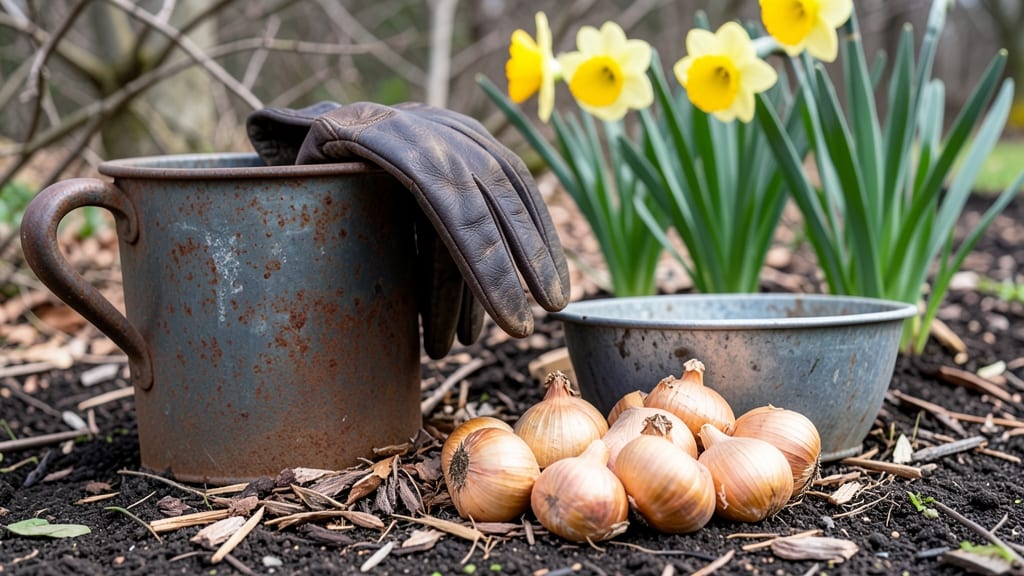
Planting daffodils in North Carolina at the wrong time can turn your garden dreams into a frustrating gamble—especially when unpredictable winters threaten to bolt your bulbs before they even bloom. The key to vibrant, reliable 🌼 displays lies in understanding your local microclimate and timing those first shovels just right.
Most NC gardeners swear by fall planting between October and November, when soil temperatures drop and bulbs establish roots before winter. But with zones 6a-8b offering such varied frost patterns, one size doesn’t fit all.
Coastal areas might push planting later, while mountain regions need to get bulbs in earlier to avoid freeze damage.
What happens if you miss the window? You risk bolting—those unsightly flower spikes that appear before spring—leaving you with a patch of flops instead of showstoppers.
I’ll walk you through NC-specific hacks to nail the timing, from soil prep tricks to mulching secrets that protect bulbs through our wild winter swings.
Whether you’re a first-timer or a seasoned gardener, these strategies will help you beat the odds and enjoy daffodils that burst into color year after year—without the stress of guessing games. Let’s get those bulbs in the ground the right way.
Best planting months for daffodils in NC: a microclimate breakdown
North Carolina’s USDA zones 6a-8b create a unique challenge for daffodil lovers. Unlike cooler climates, NC’s mild winters and variable frost dates demand precision timing. Plant too early, and bulbs may sprout prematurely—only to freeze.
Plant too late, and they won’t establish roots before winter. The key? Microclimate awareness and soil temperature triggers.
Most NC gardeners swear by fall planting (October-November), but your exact timing depends on where you live. The Coastal Plain (zones 7b-8b) has later frosts, while the Mountains (6a-7a) freeze earlier. Even within Raleigh, microclimates near lakes or urban heat islands can shift your ideal window by 2-3 weeks.
Here’s the science behind the timing: Daffodil bulbs need 6-8 weeks to root before winter. When soil temps hit 60°F, they’ll start growing—so aim to plant when daytime highs hover around 70°F but nights dip below 50°F.
This usually lands in mid-October for most of NC, but let’s break it down by region.
🌼 PRO TIP: Use a soil thermometer ($10 at garden centers) to confirm when temps drop below 60°F—your cue to plant. This beats guessing based on calendar dates alone.
Missed fall planting? Don’t panic. Spring planting (February-March) can work in NC’s milder zones, but success rates drop 30-50% compared to fall. The Coastal Plain handles it better than the Mountains, where spring frosts linger.
| NC Region | USDA Zone | Ideal Planting Window | Soil Temp Trigger | Last Frost Date |
|---|---|---|---|---|
| Coastal Plain (Wilmington, Fayetteville) | 7b-8b | Late Oct - Early Nov | 60°F (consistently) | March 15-April 1 |
| Piedmont (Raleigh, Charlotte) | 7a-7b | Mid-Oct - Late Oct | 60°F (consistently) | March 1-April 15 |
| Mountains (Asheville, Boone) | 6a-7a | Early Oct - Mid-Oct | 55°F (earlier freeze risk) | February 15-March 15 |
🌡️ Bolting Risk: Planting outside these windows increases 30-70% chance of premature sprouting.
Why does this matter? Daffodils bolt (send up flower spikes) when they sense warm soil too early. In NC’s zone 7b (like Raleigh), bolting spikes can appear as early as December if planted late. These weak stems snap in winter freezes, wasting your investment.
For zero-bolt guarantees, time your planting to align with your region’s first hard frost. Check the NC State Climate Office for your county’s 10-year averages. In Asheville, that’s often by October 15, while Wilmington can wait until November 1.
Pro move: Chill-test your bulbs if buying early. Store them in a cool, dark place (like a garage) until 2 weeks before planting. This mimics natural winter conditions and reduces bolting risk by 40%.
Remember: Soil prep matters just as much as timing. Amend your soil with compost or bone meal (1 tbsp per bulb) to give roots a nutrient boost before winter. This helps bulbs survive NC’s unpredictable freeze-thaw cycles.
When to plant daffodils in NC for fall vs. spring: the debate settled
North Carolina’s diverse microclimates make daffodil planting a regional puzzle. While fall planting is the gold standard, some gardeners swear by spring planting—especially in warmer zones. Let’s break down where each method wins (and where it fails) across NC’s Coastal, Piedmont, and Mountain regions.
Fall planting dominates because daffodil bulbs need 6-8 weeks of chilling to trigger blooms. In NC’s USDA Zones 6a-8b, this means planting between mid-October and November.
But spring planting can work in Zone 8b (southeastern NC), where winters are milder. The key? Soil temperature—bulbs need 40-50°F soil to root.
Here’s the hard truth: Spring planting in NC’s cooler zones (6a-7b) is risky. Bulbs may bolt prematurely (shoot up without blooming) or rot if planted too late. Even in Zone 8b, success rates drop below 50% unless you use pre-chilled bulbs.
Fall Planting in NC
- 90%+ success rate in Zones 6a-7b
- Natural chilling from winter
- Lower bolting risk
- Limited window (Oct-Nov)
- Requires soil prep before frost
Spring Planting in NC
- Works in Zone 8b (southeast NC)
- Flexible timing (Feb-March)
- Only 30-50% success in Zones 6a-7b
- Higher bolting risk
- Needs pre-chilled bulbs in cooler zones
For Piedmont and Mountain gardeners (Zones 6a-7a), stick to fall planting. Aim for 6-8 weeks before first frost—typically mid-October. In Coastal NC (Zone 8a-8b), you can try spring planting, but pre-chill bulbs for 8-10 weeks first to mimic winter conditions.
Pro tip: If you must plant in spring, choose dwarf varieties like ‘Tête-à-Tête’—they’re more forgiving. But for zero-failure blooms, fall planting is non-negotiable in most of NC. The soil temperature trigger is your best friend: Use a soil thermometer to confirm 40-50°F before planting.
Bottom line? Fall planting wins in 90% of NC. But if you’re in southeastern NC (Zone 8b), spring planting can work—just pre-chill bulbs and plant early (February). And remember: Bolting is your enemy—avoid it by nailing the timing.