
Plants
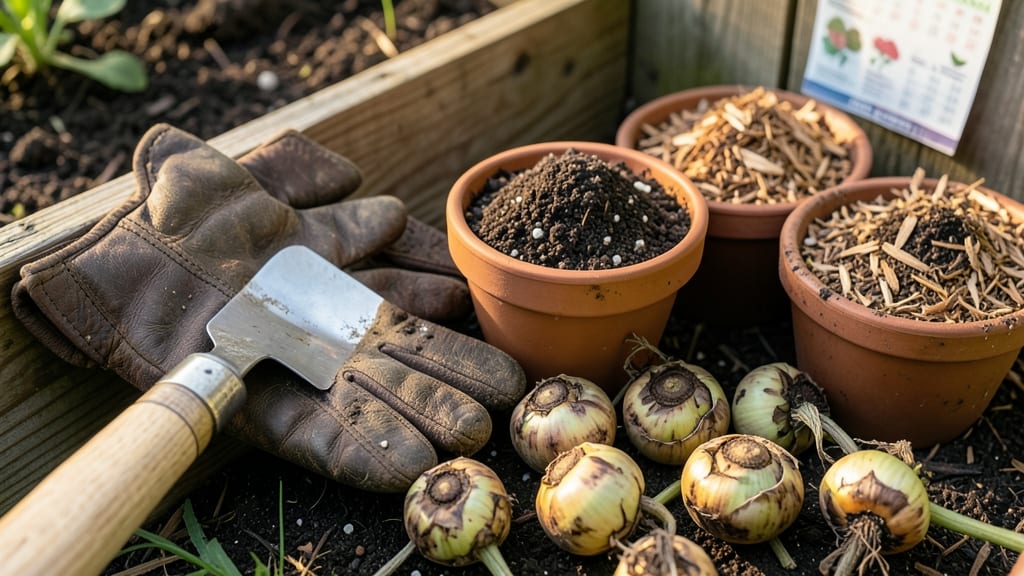
Planting your dahlia bulbs at the wrong time in Oregon could mean the difference between a showstopping summer garden and a sad, wilted disappointment.
With our state’s wild swings from coastal chill to inland heat, timing is everything—and getting it right ensures your 🌸 dahlias thrive from late spring until frost.
Most gardeners in Oregon’s 7b-9a zones wait until late April or early June to plant, but that’s just the starting point. The real secret lies in reading your microclimate: coastal areas might still have frost risk in May, while high-desert spots could bake tubers if planted too early.
I’ll break down exactly how to sync your planting with Oregon’s unpredictable weather patterns.
You’ll learn how to check soil temperature (the 60°F sweet spot), adjust for your specific corner of the state, and even extend your blooming season with pro tips. No more guessing—just confident, beautiful dahlias that reward your timing know-how.
Ready to turn your garden into a summer-long dahlia parade? Let’s dive into the exact steps that’ll have your tubers sprouting strong and your neighbors asking for your secrets.
Oregon’s best planting zones for dahlias: when to avoid frost damage
Timing is everything when planting dahlia bulbs in Oregon, where USDA zones 6-9 create wildly different growing conditions. The Willamette Valley (Zone 8) has a last frost date around April 15, while Eastern Oregon (Zone 7) can see frost as late as May 10.
Coastal areas like Astoria may delay planting until late May due to lingering chill. Understanding these microclimate differences ensures your dahlias thrive from summer to frost.
Most Oregon gardeners should aim to plant dahlia tubers between late April and early June, but this varies by region. The key is waiting until the soil temperature hits 60°F+ and the threat of frost has passed.
Coastal areas with Zone 7b climates (like Newport) may need to wait until mid-May, while Zone 9a areas (like Medford) can start as early as mid-April. Always check your local frost-free date using the USDA Plant Hardiness Zone Map or Oregon State University’s climate tools.
🌸 Oregon Dahlia Planting Zones: Frost Risk & Timing
| Region | USDA Zone | Avg. Last Frost | Ideal Planting Window | Soil Temp. Goal |
|---|---|---|---|---|
| Willamette Valley | 8a-8b | April 15 | Late April–May 1 | 60°F+ |
| Columbia Gorge | 7a-7b | May 1 | May 10–15 | 60°F+ |
| Eastern Oregon (Bend, La Grande) | 6b-7a | May 10 | May 20–June 1 | 60°F+ |
| Southern Oregon (Medford, Ashland) | 8a-9a | March 15 | Mid-April–May 1 | 60°F+ |
| Coastal (Astoria, Newport) | 7b-8a | May 15 | Late May–June 1 | 60°F+ |
💡 Pro Tip: Use a soil thermometer to confirm 60°F+ before planting—cold soil delays growth and increases rot risk.
If you’re unsure about your last frost date, use the Oregon State University Extension’s frost calendar or sign up for local weather alerts from the National Weather Service. For example, Portland’s average last frost is April 20, but 2021 saw frost as late as May 5.
Planting too early in unpredictable years can kill your tubers—always err on the side of caution.
For gardeners in high-altitude areas (like Mount Hood’s 4,000-foot zone), consider container gardening to extend your season. Containers warm up faster in spring and can be moved to protected microclimates if frost threatens. Start tubers indoors in late March and transplant after May 15 to avoid late-season frost.
Another critical factor is daylength. Dahlias need 12+ hours of daylight to bloom, which Oregon typically hits by late May. Planting too early (before May 1) may result in leggy, weak stems with few flowers.
Use shade cloth in hot inland areas (like Pendletonsun scorch while still ensuring full sun exposure.
To calculate your personal frost risk, subtract your average last frost date from June 1. If you have less than 60 days of frost-free weather, opt for dwarf varieties (like ‘Mignon’ series) or container-grown dahlias to maximize blooms before frost
Step-by-step soil and microclimate prep for dahlias in Oregon
Oregon’s clay-heavy soils and cool, damp springs demand extra prep work before planting dahlia bulbs. The key is warming the soil and improving drainage—dahlias hate soggy roots.
Start by testing your soil temperature; dahlias need 60°F+ soil to thrive, which typically happens in late April to early June across most of the state.
Use a soil thermometer (available at garden centers) to check depth—aim for 4-6 inches deep. Coastal areas like Astoria or Newport may need to wait until mid-June due to lingering chill.
For inland spots like Bend or Prineville, you might plant as early as late April, but always confirm with your local USDA zone map.