
Plants
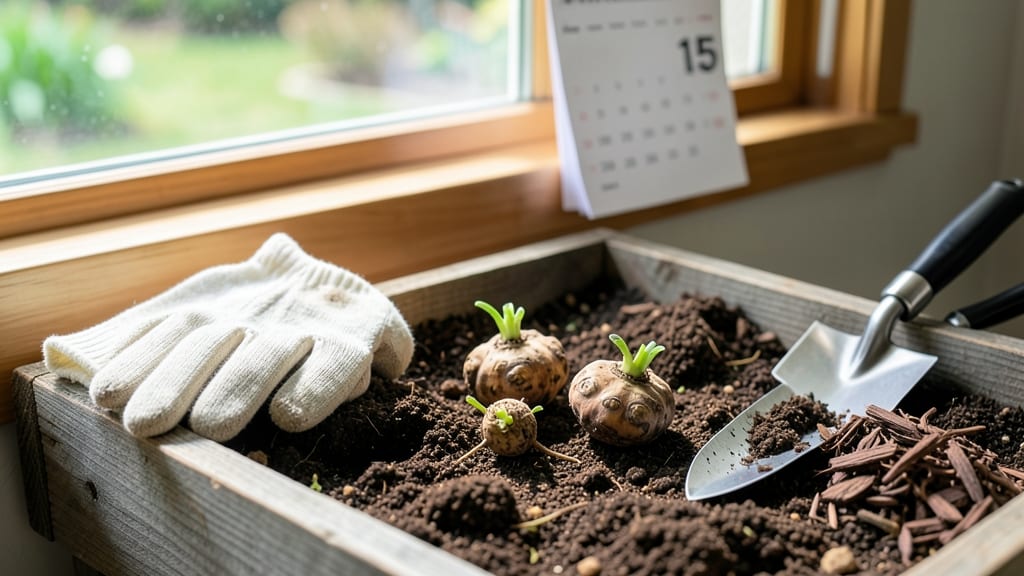
Timing your dahlia bulb planting in Wisconsin can mean the difference between a stunning summer garden and a sad pile of frost-killed tubers. With Wisconsin's unpredictable spring weather, knowing exactly when to plant is the most important step for success—especially in Zones 4b-5b where late frosts linger well into May.
Most gardeners assume "after last frost" is the only rule, but the real key is waiting until soil temperatures hit a steady 60°F. That’s when your 🌸 dahlias wake up from dormancy and start growing roots before the real heat arrives.
Skipping this step often leads to slow starts or stunted plants.
In this guide, I’ll break down the exact frost-free window for Wisconsin’s varied climate, from Milwaukee’s milder springs to Minneapolis’s cooler zones. You’ll learn how to read your soil’s readiness, avoid common planting mistakes, and give your dahlias the head start they need for bold, long-lasting blooms all summer.
Whether you’re a first-time gardener or a seasoned Wisconsin grower, these insights will help you plant with confidence—so you can enjoy your dahlias from mid-summer right through the first frost. Let’s get those tubers in the ground the right way.
Wisconsin’s frost-free window for planting dahlia bulbs by Zone
Wisconsin’s USDA Zones 3-5 create unique challenges for planting dahlia tubers. Unlike southern states, our short growing season demands precision—plant too early, and frost will kill tender tubers; too late, and you’ll miss summer blooms.
The key is waiting for soil temperatures above 60°F and the average last frost date, which typically falls between mid-April and late May depending on your location.
For Zone 3 gardeners (northern WI like Superior), aim for late May planting after the soil has fully thawed. In Zone 4 (Madison, Green Bay), you can plant as early as mid-May, while Zone 5 (Milwaukee, southern WI) gardeners have flexibility until early June.
Always check your local frost-free date—Wisconsin’s unpredictable spring makes this non-negotiable.
Here’s the 30-day post-planting timeline for tuber establishment in Wisconsin’s climate:
| Stage | Action | Wisconsin Notes |
|---|---|---|
| Week 1 | Plant tubers 4-6" deep | Use 60°F+ soil; mulch heavily |
| Week 2-3 | Sprouts emerge | Protect from late frosts with row covers |
| Week 4 | First true leaves appear | Apply balanced fertilizer (5-10-5) |
| Week 5-6 | Stems harden | Stake tall varieties (4-6 ft) |
| Week 7-8 | Bud formation | Water deeply 2x/week; avoid wetting foliage |
Regional variations matter in Wisconsin. For example, Milwaukee (Zone 5) can plant 2 weeks earlier than Minneapolis (Zone 4). Use your local cooperative extension office frost data or apps like Old Farmer’s Almanac for precise timing.
Pro tip: Mark your calendar for Mother’s Day weekend—a reliable benchmark for Zone 4-5 planting.
If you’re in Zone 3, consider starting tubers indoors 6-8 weeks before your target outdoor date. Use seed-starting mix and keep them in a bright, 65°F environment.
Transplant outdoors only after the soil stays above 60°F for 5+ days. This head start gives you 2-3 extra weeks of bloom time in Wisconsin’s short season.
For container gardening in Wisconsin, plant tubers in 5-gallon pots with well-draining soil and move them outdoors after the last frost. Containers warm up faster than ground soil, so you can plant 1-2 weeks earlier than in-ground dahlias.
Just ensure pots have drainage holes and use lightweight potting mix to prevent rot.
Remember: Dahlias are not frost-tolerant. Even a light frost can damage new growth. If an unexpected late frost threatens, cover plants with frost cloth or a blanket.
Remove it during the day to prevent overheating. This is especially critical in Zone 4, where late frosts occur 20% more frequently than in Zone 5.
Once planted, mulch heavily (3-4 inches) with straw or shredded leaves to retain moisture and regulate soil temperature. In Wisconsin’s humid summers, mulch also prevents soil-borne diseases like powdery mildew.
For maximum blooms, deadhead spent flowers weekly—this encourages more dahlia buds to form before Wisconsin’s first frost in mid-October.
🌸
5 Critical signs your Wisconsin soil is ready for dahlia bulbs
Wisconsin’s spring weather can be unpredictable, making it tricky to know when your dahlia tubers are ready for planting. Unlike warmer climates, we can’t rely solely on calendar dates—soil temperature and moisture levels are your best guides. Here’s what to watch for before you dig in.
First, check your soil temperature—dahlias thrive when it reaches at least 60°F (15°C). Use a soil thermometer to avoid guessing. Cold soil slows tuber growth, leaving them vulnerable to rot or frost damage.
In Zone 4, this usually happens by late May, while Zone 5 gardeners may see it earlier.
Use a thermometer—60°F+ is ideal for tuber growth.
Drain excess water—well-draining soil prevents rot.
No frost heaves or icy patches—consistent warmth is key.
Emerging weeds signal active soil—ready for planting.
Check your local frost date—plant after the last expected frost.
Next, test your soil’s moisture by squeezing a handful—it should hold together but not feel soggy. Waterlogged soil can suffocate dahlia tubers, while dry soil won’t support their rapid growth. If your garden feels too wet, amend it with compost or sand to improve drainage.
Look for visual cues like emerging spring weeds or thawed patches in your garden beds. These signs confirm the ground is active and ready for planting. Avoid the temptation to rush—planting too early in Zone 4 risks frost damage, while waiting too long in Zone 5 may delay blooms.
Finally, confirm the last frost date for your area. In Wisconsin, this typically falls between May 10-20, but microclimates (like urban heat islands) can shift dates by a week. Use a frost calendar or local extension office data to double-check before you plant.
Once you’ve confirmed all five signs, your dahlia tubers are ready to go in the ground. Plant them 4-6 inches deep and 12-18 inches apart for optimal air circulation and growth. With the right timing, you’ll enjoy vibrant blooms from mid-summer through fall! 🌸