
Plants
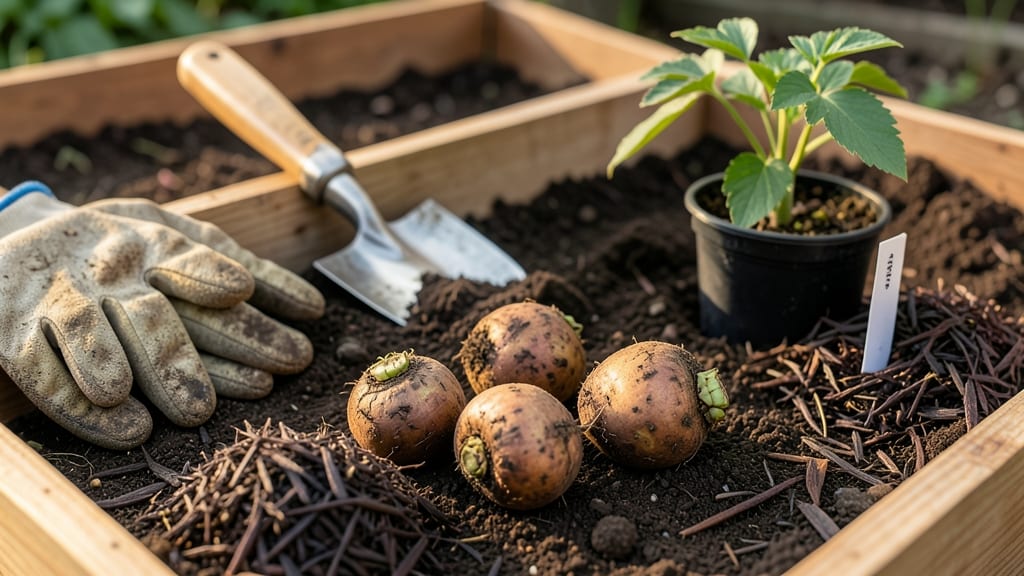
When to plant dahlias in Vancouver could mean the difference between a showstopping summer garden and a sad, frost-nipped disappointment. With our 8a climate, waiting too long risks cutting your blooming season short, while planting too early leaves tubers vulnerable to surprise chills. The ideal window—mid-April to early June—balances warmth and safety, but local microclimates twist the rules.
Let’s cut through the guesswork. You’ll discover how to read Vancouver’s unpredictable spring signals—soil temps, last-frost dates, and even your neighborhood’s wind patterns—to plant with confidence.
Whether you’re a first-timer or a seasoned gardener, these microclimate-specific tips will help you avoid the most common mistakes and extend your dahlias’ glory until the first frost.
What if you miss the window? Don’t panic—we’ll cover backup strategies like soil warming and cold-hardy varieties to salvage your season. By the end, you’ll know exactly when to dig in your tubers for vibrant, long-lasting blooms that turn heads from July to October.
Ready to transform your garden into a dahlia paradise? Let’s get started with the timing secrets that work for Vancouver’s unique growing conditions.
Vancouver’s frost-free planting zones for dahlias by microclimate
Vancouver’s coastal climate creates distinct microclimates where dahlia planting windows can vary by weeks. The North Shore often warms faster than coastal areas, while the Lower Mainland may experience unexpected late frosts. Understanding these zones helps you time your dahlia tubers for zero frost risk while maximizing your blooming season.
Most Vancouver gardeners aim to plant dahlias after May long weekend, but this varies by location. The average last frost date for Vancouver is April 15, but coastal areas like West Vancouver can experience frost until May 1.
Meanwhile, areas like Surrey or Langley may be frost-free by April 1. Always check your local frost-free date using tools like the Vancouver Weather Office or Plant Amend.
Soil temperature is just as critical as air temperature. Dahlias thrive when soil reaches 50°F (10°C). In Vancouver, this typically occurs between mid-April and early May, but cooler coastal areas may need to wait until late May.
Use a soil thermometer to confirm—planting too early in cold soil can stunt root growth and delay blooming.
| Microclimate Zone | Last Frost Date (Avg) | Ideal Planting Window | Soil Temp Threshold | Heatwave Risk |
|---|---|---|---|---|
| Coastal (West Van, Point Grey) | May 1 | Late May to early June | 50°F (10°C) | Moderate (cooler summers) |
| North Shore (North Van, Lonsdale) | April 20 | Mid-April to May 15 | 48°F (9°C) | Low (warmer microclimate) |
| Lower Mainland (Burnaby, Coquitlam) | April 15 | Early April to May 10 | 45°F (7°C) | Moderate (variable) |
| Fraser Valley (Surrey, Langley) | April 1 | Late March to April 15 | 40°F (4°C) | High (hotter summers) |
If you’re in a cooler microclimate, consider starting dahlia tubers indoors 4-6 weeks before your target planting date. Use seedling trays with well-draining potting mix and place them under grow lights to simulate spring conditions. This gives you a 2-3 week head start once soil temperatures rise.
For container gardening in urban Vancouver, timing is even more critical. Pots warm up faster than garden beds, so you can plant 1-2 weeks earlier than in-ground dahlias. However, ensure your containers have drainage holes and use heat-retaining fabric to protect roots from evening chills.
Black containers absorb heat best, while white reflects it—choose based on your microclimate.
Watch for Vancouver’s infamous heatwaves, which can occur as early as late May. If temperatures exceed 80°F (27°C), dahlias may suffer from bud drop or wilting.
Provide afternoon shade with lightweight row covers or mesh fabric during heat spikes. Mulching with straw or wood chips also helps retain soil moisture and regulate temperature.
Pro tip: Plant cold-hardy dahlia varieties like 'Café au Lait' or 'Bishop' if you’re pushing your planting date. These varieties tolerate cooler soil temperatures and are less likely to rot if planted slightly early. Pair them with windbreaks in coastal areas to prevent transplant shock from salty sea breezes.
Always mark your dahlia planting date on a calendar and track local weather patterns. The Vancouver Sun and Environment Canada provide 10-day forecasts that help predict safe planting windows. With the right timing, your dahlias will reward you with vibrant blooms from July to frost!
How to extend your dahlias’ blooming season with strategic planting
Vancouver’s cool coastal springs often delay ideal planting conditions, but with the right strategies, you can extend your dahlias’ blooming season by weeks. The key is soil warming and microclimate adjustments to push planting dates safely into early June without frost risk.
I’ve found that container gardening works wonders for urban gardeners—pots warm up faster than soil, letting you plant 2-3 weeks later than ground planting. Just use black plastic pots or dark-colored containers to absorb heat from the sun.
Soil Warming
Lay black plastic mulch or clear plastic sheeting over garden beds 2 weeks before planting to raise soil temps by 5-10°F. Remove just before planting to avoid overheating tubers.
Cold-Hardy Varieties
Choose ‘Café au Lait’ or ‘Bishop’—these varieties tolerate 45°F (7°C) soil temps better than others. Start these 2 weeks earlier than standard dahlias.
Transplanting Schedule
Start tubers indoors under grow lights in early April. Transplant outdoors when night temps stay above 50°F (10°C)—typically late May to early June in Vancouver.
For second-flush blooms, try succession planting: plant a second batch of tubers in mid-June after your first wave shows color. Use heat-tolerant varieties like ‘Thomas Edison’ to handle Vancouver’s summer heatwaves.
Pro tip: Mulch heavily with straw or wood chips to maintain consistent soil temps and reduce watering needs during our unpredictable June rains. This keeps roots happy while extending the season by 3-4 weeks.
🌱