
Plants
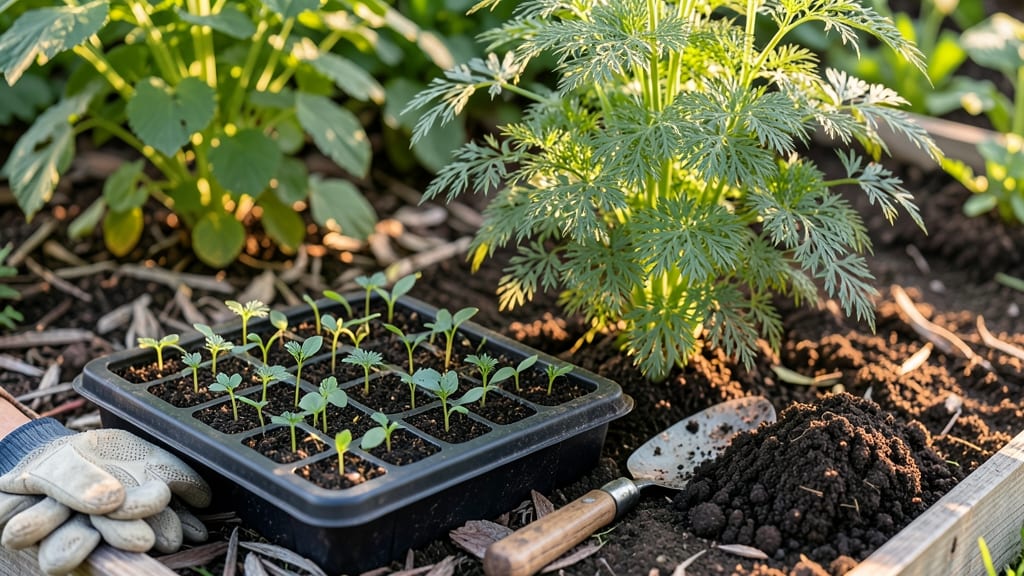
If you’ve ever planted dill in Oregon only to watch it bolt into bitter flowers instead of lush, flavorful leaves, you’re not alone. The key to successful dill cultivation in Oregon lies in timing—specifically, knowing when to plant it to avoid the dreaded bolting that ruins your harvest.
Oregon’s diverse climate—from coastal fog to high-desert heat—means the perfect planting window varies dramatically. Whether you’re in USDA Zone 7b or 9a, getting the timing right ensures your 🌿 dill thrives.
Spring planting (March–April) and fall planting (August–September) are your best bets, but regional microclimates can shift deadlines by weeks.
In this guide, I’ll break down the exact planting schedules for Oregon’s three main zones, including soil temperature thresholds and how to adjust for early or late springs.
You’ll also discover how to extend your dill’s growing season without risking bolting—so you can enjoy fresh herbs from June all the way through November.
No more wasted seeds or bitter harvests. Let’s get your dill growing strong and flavorful, exactly when you need it.
Oregon’s dill planting zones: coastal vs. Willamette Valley vs. high desert timelines
Oregon’s three distinct microclimates create wildly different conditions for growing dill. Coastal areas like Astoria stay cooler longer, while the Willamette Valley heats up faster, and the high desert (like Bend) has shorter growing seasons.
Planting at the wrong time can trigger bitter bolting or frost damage. Let’s break down the exact planting windows for each zone to ensure lush, flavorful harvests.
For all Oregon zones, soil temperature is your best guide—dill seeds won’t germinate reliably below 50°F. Use a soil thermometer to confirm readiness, especially in cooler coastal areas where spring arrives later.
In the Willamette Valley, you can often plant 2–3 weeks earlier than coastal regions, while high-desert gardeners should wait until late April to avoid frost.
Here’s the zone-specific breakdown you need to time your dill planting perfectly:
| Zone | Last Frost Date | Ideal Planting Window | Soil Temp Threshold | Fall Planting Window |
|---|---|---|---|---|
| Coastal (USDA 7b-8a) | Late April–May | Mid-April–early May | 50°F+ (use row covers) | Late August–early Sept |
| Willamette Valley (USDA 8a-9a) | Mid-April | Early March–April | 50°F+ (sooner in south valley) | Late July–August |
| High Desert (USDA 6b-7a) | Late May–June | Late April–May | 55°F+ (warmer soil needed) | Early August–Sept |
In coastal Oregon, where fog delays warming, start dill seeds indoors 4–6 weeks before your target outdoor date. Use grow lights to simulate longer days, and transplant seedlings outdoors only after three true leaves appear.
For direct sowing, wait until the soil is consistently above 50°F—this usually aligns with mid-April in Astoria but can be as late as early May in Tillamook.
Willamette Valley gardeners enjoy the longest growing season in Oregon, making both spring and fall plantings viable. For spring, sow seeds directly outdoors from early March (in sheltered microclimates) to mid-April.
For fall, aim for late July–early August to ensure harvests before the first frost. Use shade cloth (30%) in summer to prevent bolting if temperatures exceed 85°F.
High-desert regions like Bend or La Pine have shorter frost-free seasons, so focus on quick-maturing varieties like ‘Fernleaf’ or ‘Bouquet’. Plant directly outdoors in late April–May when nighttime temperatures stay above 40°F.
Extend your season by sowing a second crop in early August—this gives seeds time to mature before the first frost, which typically hits by mid-October.
No matter your zone, succession planting is key to a continuous harvest. Sow new seeds every 2–3 weeks from spring through summer. This ensures you always have young, tender leaves ready for pickling or garnishes.
For coastal gardeners, this might mean planting until late June, while high-desert gardeners should stop by mid-July to avoid bolting.
Pro tip: Mark your calendar for Oregon’s average frost dates—coastal areas can see frost as late as November 15, while inland zones may freeze by October 15.
Adjust your fall planting timeline accordingly to maximize your harvest window. With these zone-specific deadlines, you’ll avoid the bitter disappointment of bolting and enjoy fresh dill all season long.
🌿
How to extend dill’s growing season in Oregon without bolting
Oregon’s warm summers and cooler coastal climates can cause dill to bolt prematurely, turning your fresh herb into bitter seed stalks. The key to extending your harvest is strategic timing and microclimate adjustments.
In the Willamette Valley, where temperatures spike quickly, shade cloth and succession planting are your best tools. Meanwhile, coastal gardeners can push harvests into late fall by leveraging milder temperatures and companion planting.
For high-desert zones, focus on fall planting (August–September) to avoid the intense summer heat. In these areas, dill thrives when soil temperatures stay below 75°F—use mulch to regulate heat and keep roots cool.
The goal? Delay bolting by at least 6–8 weeks so you can enjoy fresh leaves through October or even November in milder pockets.
If you’re in coastal Oregon, take advantage of the longer growing season by planting a fall crop in August. The cooler ocean breezes slow bolting, and you can harvest fresh dill well into November.
For high-desert areas, prioritize fall planting—sow seeds in late August for a harvest before the first frost (mid-October). Use row covers in early fall to extend the season by 2–3 weeks.
Pro tip: Harvest leaves aggressively to encourage bushier growth. Pinch back flower stalks as soon as they appear to redirect energy into leaf production. This tactic can add 3–4 weeks to your harvest window in warm microclimates.
Pair this with consistent morning watering (1 inch per week) to prevent stress-induced bolting.
For container gardening, choose dwarf varieties like ‘Bouquet’ and move pots to partial shade during afternoon heat. Containers dry out faster, so water daily in summer and use self-watering setups to maintain even moisture.
This method works surprisingly well in urban Portland balconies, where microclimates can be 5–10°F cooler than inland areas.
By combining these techniques, you can double your dill harvest in Oregon—enjoying fresh leaves from June through November without the bitterness of bolting. The secret? Work with your local climate, not against it. 🌿