Plants
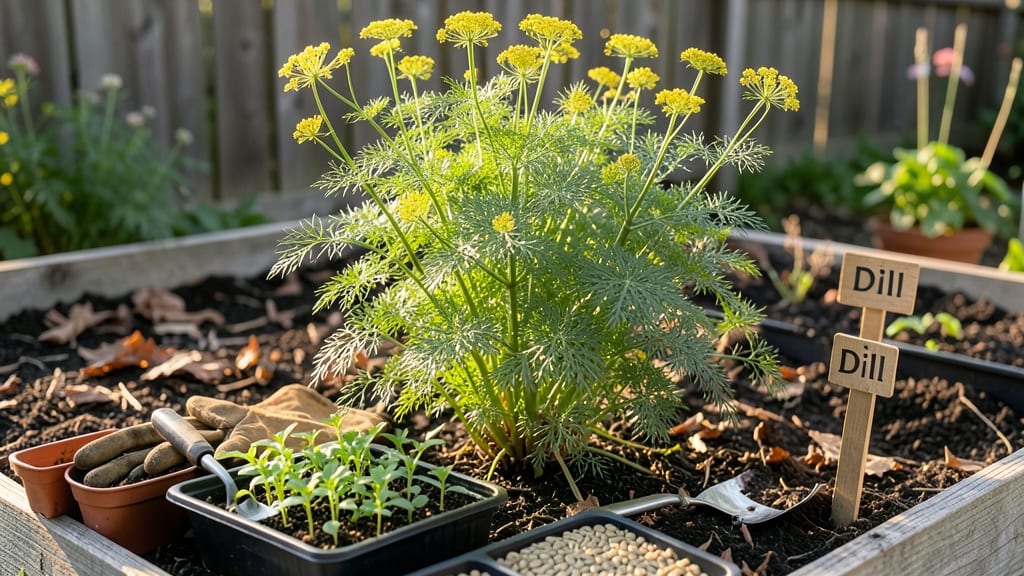
Planting dill in Texas isn’t just about throwing seeds in the dirt—it’s about beating the heat and avoiding a bitter harvest. If you’ve ever watched your dill bolt into flower within weeks, you know timing is everything.
The right window means fragrant leaves for your favorite dishes, not just sad, wilted stems.
For Texas gardeners in zones 8a-10b, the sweet spot is late winter to early spring (February–March) or late summer to early fall (August–September). These windows let dill grow strong before the brutal summer sun or early frosts interfere.
Skip the middle of summer, or you’ll end up with a sad, heat-stressed 🌿 that gives up too soon.
But here’s the secret: not all dill is created equal. Some varieties handle Texas heat better than others, and soil prep can mean the difference between a thriving herb patch and a failed experiment.
I’ll show you which varieties to pick, how to prep your soil for Texas’ tricky clay or sandy conditions, and even how to stretch your harvest through the year.
Ready to grow dill that actually lasts? Let’s dive into the exact steps to plant, nurture, and harvest this versatile herb—without the frustration. Your next batch of pickles (or martinis) will thank you.
Best planting windows for dill in Texas: avoiding heat stress and bolting
Texas gardeners face a unique challenge with dill—its cool-season preference clashes with our intense summer heat. Plant too early, and you risk frost damage; too late, and your plants bolt prematurely.
The key is timing your spring and fall plantings to align with Texas’s USDA zones 7-10, where last frost dates vary wildly from January in South Texas to March in North Texas.
For most of Texas, the ideal planting window spans late February to early April for spring and mid-August to early September for fall. This strategy lets you harvest fresh dill before summer’s 100°F+ temperatures trigger bolting.
In coastal areas like Houston, you can push spring planting to mid-April thanks to milder microclimates.
Here’s the critical rule: Dill hates heat stress. Once temperatures hit 85°F consistently, your plants will focus on flowering instead of leaf production. That’s why fall plantings often yield better results—the cooler weather extends your harvest window into November before the first frost.
Let’s break down the optimal planting months by Texas region, including frost dates and heat tolerance strategies to maximize your dill harvest.
| Region | Spring Planting | Fall Planting | Last Frost Date | First Frost Date | Heat Risk |
|---|---|---|---|---|---|
| North Texas (Dallas/Fort Worth) | Late Feb - Early April | Mid-Aug - Early Sept | Feb 15 | Dec 1 | High (May-July) |
| Central Texas (Austin) | Early Feb - Mid-April | Late July - Early Sept | Feb 1 | Nov 15 | Very High (June-Aug) |
| South Texas (Houston) | Mid-Feb - Mid-April | Late July - Mid-Sept | Jan 15 | Nov 30 | Extreme (July-Aug) |
| West Texas (El Paso) | Early March - Late April | Mid-Aug - Early Oct | Feb 28 | Dec 15 | Moderate (June-Sept) |
If you’re in North or West Texas, focus on fall plantings—they give you a 60-70 day harvest window before winter sets in. Meanwhile, coastal gardeners can squeeze in two harvests per year by planting early spring and late summer.
The key is to avoid planting in May or June, when Texas heat will send your dill into premature bolting.
For container gardening, you can extend your season by moving pots to shadier spots during summer or using self-watering systems to prevent heat stress. Just ensure your containers have drainage holes—dill hates soggy roots.
One common mistake? Planting dill too close to tomatoes. While they’re both sun-loving plants, tomatoes can compete for nutrients and attract common pests like spider mites. Instead, pair dill with cabbage, onions, or cucumbers for a pest-deterring combo.
Remember: Dill’s flavor peaks when harvested before flowering. With the right timing, you’ll enjoy fresh dill for pickles, soups, and garnishes from April through November—no cooking required, just homegrown goodness.
Texas-specific soil and sun requirements for thriving dill plants
Dill thrives in Texas when planted in the right conditions—well-draining soil and full sun exposure are non-negotiable. Texas soils often struggle with clay compaction or sandy drainage, both of which can stunt your dill’s growth or invite root rot.
The key is amending your soil with organic matter like compost or aged manure to improve texture and fertility.
For optimal growth, aim for a pH between 6.0 and 7.0. Texas soils can lean alkaline, so test your soil and adjust with sulfur or peat moss if needed. Dill also needs 6-8 hours of direct sunlight daily—any less, and you’ll risk leggy, flavorless plants.
Coastal areas like Houston get plenty of sun year-round, while Hill Country gardens might need afternoon shade in peak summer.
🌱 Ideal Soil Conditions for Dill
- Use loamy soil with compost
- Ensure well-draining beds
- Maintain pH 6.0-7.0
- Plant in full sun (6+ hours)
- Plant in compacted clay
- Ignore drainage issues
- Skimp on organic matter
- Shade plants afternoon sun
💡 Pro Tip: Mulch with straw to retain moisture and regulate soil temperature during Texas heat waves.
Companion planting is another Texas gardener’s secret weapon. Pair dill with tomatoes, lettuce, or cabbage to deter pests like spider mites and aphids. Avoid planting near carrots or onions, as their competing needs can stress both plants.
In containers, use a 5-gallon pot with potting mix amended with perlite for drainage.
Watering dill in Texas requires balance—deep, infrequent watering encourages strong roots, while shallow, frequent watering promotes weak stems. Water at the base of the plant in the morning to prevent fungal diseases like powdery mildew, which thrives in Texas’ humid summers.
Let the top inch of soil dry between waterings to avoid soggy roots.
If your Texas garden has heavy clay soil, consider raised beds or containers. They warm up faster in spring and improve drainage. For sandy soils, add 2-3 inches of compost before planting to boost moisture retention.
With the right soil prep and sun exposure, your dill will grow lush, flavorful, and ready for harvest in just 60-70 days.
Don’t forget to monitor for heat stress during Texas summers. If leaves yellow or wilt, provide afternoon shade with a lightweight shade cloth until temperatures drop. With these Texas-specific tips, your dill will thrive year after year—no bolted disappointment in sight! 🌿