
Vegetables
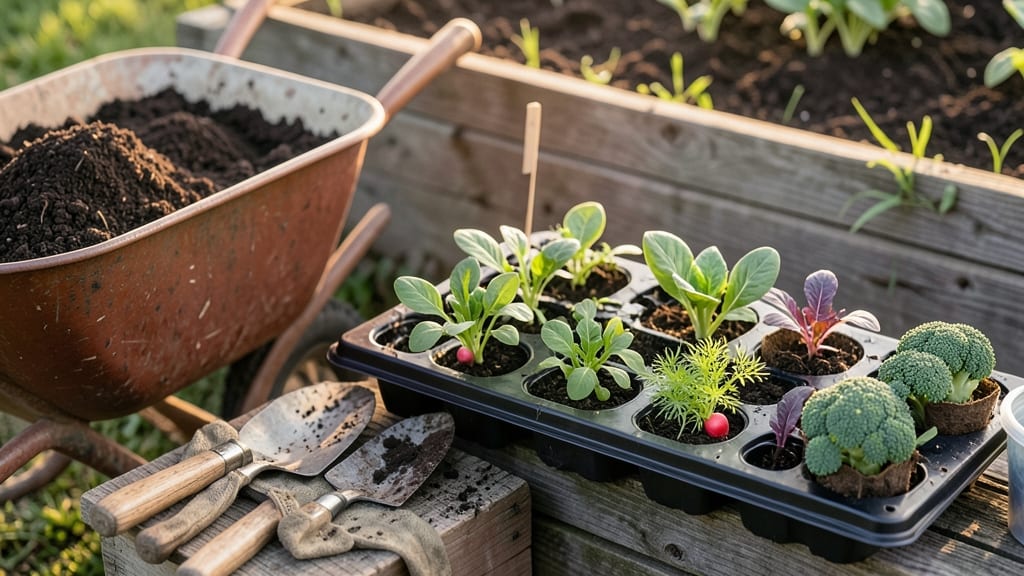
Timing your early spring vegetables in Zone 6 wrong can mean wasted seeds, bitter greens, or plants that bolt before you even get to harvest.
But when you nail those planting windows—especially with 4-6 weeks before last frost—you’ll enjoy crisp lettuce, sweet peas, and tender spinach long before summer heat moves in.
I’ve learned the hard way that Zone 6’s microclimates (think urban heat islands vs. rural chill) can shift ideal dates by 1-3 weeks.
Whether you’re sowing peas in late February under row covers or waiting until early April for kale, the difference between a thriving garden and a sad one often comes down to soil temperature and frost risk.
This guide cuts through the guesswork with precise planting schedules, soil prep tips, and tricks to extend your harvest—like using cold frames or succession planting. No more second-guessing whether your 🥬 greens will survive the next frost or bolt too soon.
Let’s get those seeds in the ground the right way.
You’ll walk away with a checklist for soil, mulch, and variety selection, plus how to adjust for your specific corner of Zone 6. Ready to turn your spring garden into a zero-bolt zone?

Optimal planting dates for early spring vegetables by variety (Zone 6 microclimate guide)
Zone 6 gardeners know that timing is everything when planting early spring vegetables. The difference between a thriving garden and a failed crop often comes down to soil temperature and last frost dates.
For most of Zone 6, the average last frost falls between mid-April and early May, but urban areas can experience frost up to 2 weeks later due to heat islands.
To maximize success, I start by checking my local USDA Plant Hardiness Zone Map and using a soil thermometer to confirm when temperatures reach 40°F (4°C)—the threshold for most cold-hardy vegetables.
This usually aligns with late March to early April in rural areas, but urban gardeners may need to wait until mid-April.
| Variety | Zone 6 Planting Window | Soil Temp Threshold | Notes |
|---|---|---|---|
| Peas (sugar snap, snow) | Late March - Early April | 35-40°F (2-4°C) | Direct sow; tolerates light frost |
| Lettuce (leaf, romaine) | Early April - Mid-April | 40-45°F (4-7°C) | Succession plant every 2 weeks |
| Spinach | Late March - Early April | 35-40°F (2-4°C) | Bolt-resistant varieties preferred |
| Radishes | Early April - Mid-April | 45-50°F (7-10°C) | Fast-growing; harvest in 30 days |
| Kale | Late March - Early April | 35-40°F (2-4°C) | Cold-hardy; sweeter after frost |
| Broccoli | Early April - Mid-April | 40-45°F (4-7°C) | Start indoors 6 weeks before last frost |
| Carrots | Mid-April - Early May | 50-55°F (10-13°C) | Loose, stone-free soil required |
| Cabbage | Early April - Mid-April | 40-45°F (4-7°C) | Transplant seedlings after frost |
For leafy greens like lettuce and spinach, I prioritize succession planting every 2 weeks to ensure a continuous harvest. These crops tolerate light frost and can even taste sweeter after a frost, but they’ll bolt quickly if temperatures rise above 75°F (24°C).
Root vegetables like carrots and radishes need warmer soil—aim for 50°F (10°C)—and should be planted after the last frost threat has passed. I always test soil moisture before planting; dry soil can cause stunted growth or cracked roots.
Pro tip: Use row covers or cold frames to extend your planting window by 2-3 weeks in early spring. This is especially useful for broccoli and cabbage, which need consistent cool temperatures to form tight heads.
Remember, urban gardens often warm up faster than rural areas due to concrete and asphalt absorbing heat. If you’re in the city, wait until mid-April or use shade cloth to protect tender seedlings from heat stress.
Finally, keep a planting journal to track your local microclimate. Note when frost occurs, how quickly soil warms, and which varieties thrive in your specific conditions. Over time, you’ll refine your timing to perfection.
How to adjust planting dates for urban vs. rural Zone 6 microclimates (avoiding bolt risk)
Zone 6 gardeners know that microclimates can shift planting windows by 1-3 weeks, especially when comparing urban heat islands to rural areas. In cities, concrete and pavement absorb heat, raising soil temperatures by 5-10°F—perfect for early starts.
Meanwhile, rural areas with more wind exposure may need delayed planting to protect tender seedlings.
For example, urban gardens in Zone 6 can safely sow spinach and peas as early as late February under row covers, while rural gardeners should wait until mid-March to avoid frost damage.
Nighttime temperatures also play a role—urban areas often stay 5°F warmer than countryside fields, allowing for earlier direct sowing of lettuce and radishes.
🌱 Use this rule of thumb: If your garden is in a heat-prone urban area, start 2 weeks earlier than official frost dates. For windy or shaded rural spots, delay by 1-2 weeks and use frost blankets for extra protection.
| Microclimate Factor | Urban Adjustments | Rural Adjustments |
|---|---|---|
| Soil Temperature | Warmer by 5-10°F; plant 2 weeks early | Cooler; wait until soil hits 45°F |
| Nighttime Temps | 5°F warmer; safer for early sowing | Colder drops; use row covers |
| Wind Exposure | Less wind; ideal for seedlings | High wind; delay or use windbreaks |
| Heat Islands | Faster soil warming; start peas/lettuce by late Feb | Slower warming; wait for mid-March |
| Frost Risk | Lower risk; use lightweight covers | Higher risk; wait for stable temps |
To extend your early spring planting window, consider cold frames or mini tunnels. These can add 2-4 weeks of growing time by trapping heat during the day and insulating at night.
For urban gardeners, place these near south-facing walls to maximize warmth. Rural gardeners can use black plastic mulch to warm soil 10°F faster than bare earth.
💧 Pro Tip: Monitor your microclimate with a soil thermometer—aim for 40°F for peas and 45°F for lettuce. If temps drop below these thresholds, delay planting or use seedling heat mats for 2-3 weeks to jumpstart growth.
Finally, succession planting is your best friend in Zone 6. Sow radishes every 2 weeks from March to May, and spinach every 3 weeks to ensure a continuous harvest. This strategy works equally well in urban containers and rural beds, giving you bolt-free greens all season long.