
Plants
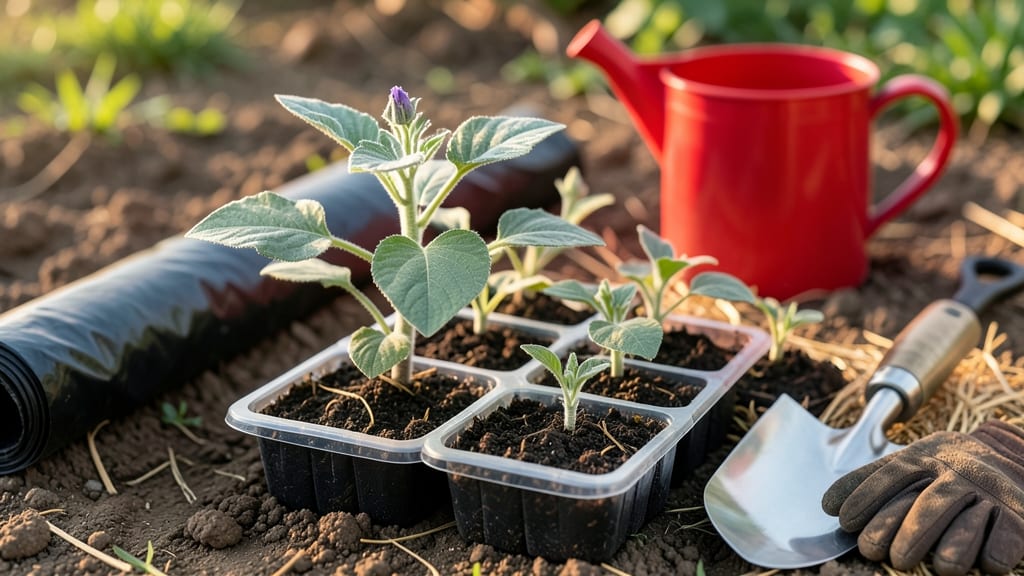
If you’ve ever planted 🍆 eggplant in California only to watch it struggle in the wrong season, you’re not alone. The Golden State’s dramatic climate shifts—from chilly coastal breezes to blazing inland heat—mean getting the timing right is the key to a bountiful harvest.
Unlike most plants, eggplant thrives in warmth, but planting too early in cooler zones like USDA 9a-10b can leave your seedlings wilting. Whether you’re in foggy coastal areas or scorching inland valleys, knowing the exact window to plant makes all the difference.
In this guide, I’ll break down the best planting times for your region, from coastal March-June windows to desert-friendly February starts. You’ll also discover how to extend your growing season and pick the right varieties for your microclimate.
Ready to grow plump, purple eggplants all season long? Let’s dive into the perfect planting schedule for your California garden.
Best planting times for eggplant in California’s coastal vs inland zones
Eggplant (Solanum melongena) thrives in California’s warm climate, but the best planting times differ dramatically between coastal and inland regions. Coastal areas like San Francisco and Santa Barbara have milder summers, while inland valleys like the Central Valley and San Joaquin experience intense heat.
Timing your plantings correctly ensures lush growth and a bountiful harvest.
In coastal California, where summers are cool and foggy, eggplant grows best when planted from mid-March to early June. The last frost is rare, but chilly nights can stunt seedlings.
Inland areas, however, benefit from earlier planting (February to May) to avoid the scorching July-August heat, which can stress plants.
🌱
For coastal gardeners, the key is avoiding chilly spring nights, which can delay germination. Start seeds indoors 8–10 weeks before transplanting (around January) or buy healthy seedlings from nurseries in March. Transplant after soil warms to at least 60°F (15°C), typically by mid-April.
Inland gardeners should prioritize heat tolerance. Soil must reach 70°F (21°C) before planting, usually by late February to early March. If you’re in the Central Valley, consider staggered plantings—sow seeds every 2–3 weeks from February to April—to ensure a continuous harvest before the heat peaks.
Both regions benefit from well-draining soil and full sun (6+ hours daily). Amend your soil with compost to retain moisture, especially in inland areas where drought stress is a risk. Mulch with straw or wood chips to keep roots cool and conserve water.
💧
If you’re unsure about your local microclimate, check the USDA Hardiness Zone for your area. Most of coastal California falls in Zone 10a, while inland valleys are typically Zone 9a–9b. Desert regions like Palm Springs (Zone 10b) can plant even earlier, as frost is nearly nonexistent.
For a foolproof approach, monitor your soil temperature with a soil thermometer. Eggplant seedlings will bolt (flower prematurely) if stressed by heat or cold, so timing is everything. By aligning your plantings with your local climate, you’ll enjoy plump, glossy eggplants all season long.
Best planting times for eggplant in California’s coastal vs inland zones
California’s microclimates create two distinct zones for eggplant: coastal (mild, foggy) and inland (hot, dry). Eggplants thrive in warm soil (70°F/21°C+) and long summers, but timing varies drastically.
Inland areas like the Central Valley can plant earlier (February-May), while coastal zones like San Francisco wait until March-June to avoid chilly springs.
Your last frost date matters less in California than soil temperature. Most regions rarely see frost, but coastal areas may experience light freezes in winter. Inland valleys, however, can drop below 32°F (0°C) in winter, delaying planting.
Use a soil thermometer to confirm 70°F+ before transplanting seedlings—this is your green light for planting.
| Zone | Planting Window | Key Consideration | Soil Temp Requirement |
|---|---|---|---|
| Coastal (e.g., San Francisco, Santa Barbara) | March 15 – June 15 | Fog delays warming; start seeds indoors 8-10 weeks before last frost. | 70°F+ (21°C+) |
| Inland Valleys (e.g., Central Valley, Sacramento) | February 1 – May 15 | Warmer soil earlier; transplant seedlings after March 1 for best results. | 70°F+ (21°C+) |
| Desert (e.g., Coachella Valley, Palm Springs) | February 15 – April 30 | Extreme heat tolerance; plant early to avoid summer stress. | 75°F+ (24°C+) |
For coastal gardeners, I recommend starting seeds indoors in February under grow lights to give seedlings a head start. Transplant outdoors only after April 15 in most areas, as coastal nights can still dip into the 50s°F (10-15°C).
Inland gardeners can direct-sow seeds as early as February 1 in protected beds, but use row covers if nights are chilly.
Heat is the bigger enemy than cold for eggplants in California. Inland areas like the Central Valley can hit 100°F+ (38°C+) by summer, causing plants to bolt (flower prematurely). To combat this, use shade cloth (30-50%) during peak afternoon sun and mulch heavily to retain moisture.
Desert regions like Palm Springs actually prefer earlier planting (February-March) to avoid the scorching July-August heat.
Pro tip: If you’re in a transition zone (e.g., Santa Cruz Mountains or Diablo Range), split your planting. Start half your seeds indoors in February and half outdoors in April for a staggered harvest. This extends your season and ensures you’re not overwhelmed with fruit all at once.
Remember, eggplants are heat-loving but not drought-tolerant. Even in inland zones, consistent watering is critical—especially when temps exceed 90°F (32°C). Aim to keep soil evenly moist (not soggy) to prevent blossom-end rot or cracked fruit.
With the right timing and care, you’ll enjoy homegrown eggplants from July through October—or even later in mild coastal climates! 🍆