
Plants
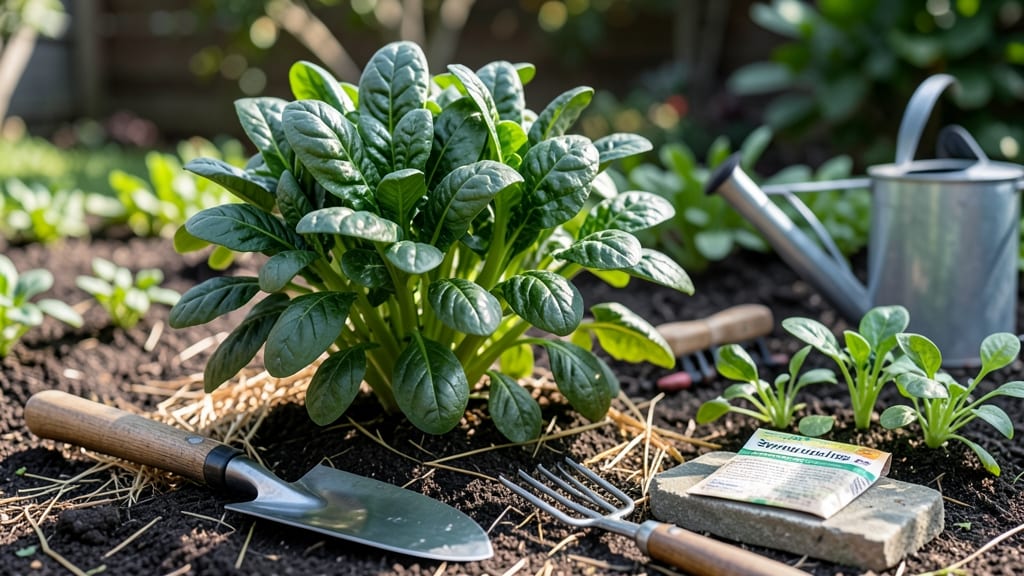
Timing your fall spinach planting in Zone 7 is the difference between a thriving garden and a sad, wilted 🥬 pile. If you plant too early, the heat will bolt your leaves before they mature; too late, and frost will nip them before harvest.
The sweet spot? Late summer or early fall, when soil stays warm but nights grow cooler.
I’ve learned the hard way that August through September is your best window—just 6-8 weeks before the first frost (usually around mid-October in Zone 7). This gives your spinach enough time to grow big, tender leaves while avoiding the stress of extreme heat or early cold snaps.
But here’s the secret: not all spinach is created equal. Cold-hardy varieties like 'Tyee' or 'Bloomsdale' can handle lighter frosts, so they’ll keep producing even when temps dip. Plus, with the right soil prep and spacing, you can stretch your harvest well into November—or even longer with a little protection.
Ready to grow spinach that tastes sweeter and lasts longer? I’ll walk you through the exact steps to time your planting, pick the best varieties, and keep your 🥬 thriving until winter. Let’s get started!

Optimal fall planting dates for spinach in Zone 7
Timing your fall spinach in Zone 7 is all about beating the first frost while avoiding summer’s scorching heat. The ideal window is mid-August to early September, giving plants 45-60 days to mature before temperatures dip below 25°F.
This schedule ensures tender leaves without bolting from heat stress or freezing before harvest.
Zone 7’s average first frost lands around October 15, so count backward from that date. For 45-day varieties, aim for a September 1 planting.
For slower growers needing 60 days, start by August 25. These dates align with cooler soil temps (60-70°F), perfect for spinach germination.
Pro tip: Check your local frost date—some Zone 7 microclimates (like cities) may experience frost 1-2 weeks earlier than rural areas. Adjust your planting window accordingly to avoid crop loss.
📅 Zone 7 Spinach Planting Timeline
| Stage | Action | Notes |
|---|---|---|
| Late July | Soil Prep | Test pH (6.0-7.0), add compost |
| Mid-August | Direct Sow | 1/2" deep, 2" apart; thin to 4" later |
| September | Fertilize | High-nitrogen feed (5-10-10) |
| October | Harvest | Outer leaves first; avoid bolting |
| Mid-October | Protect | Row covers for light frosts |
If you miss the August-September window, don’t despair—Zone 7 allows for a second planting in late September using fast-maturing varieties like ‘Tyee’ (35 days). These bolt-resistant types can still deliver a small harvest before hard frost, though yields will be modest.
For extended harvests, stagger plantings every 2 weeks from August through September. This ensures a continuous supply of baby leaves while older plants mature. Just be sure to harvest the earliest sowing before it bolts or freezes.
Avoid planting spinach in July or early August—soil temps often exceed 80°F, causing seeds to rot or seedlings to bolt prematurely. Instead, use this time to prepare beds with organic matter and shade cloth if your garden bakes in summer.
Monitor soil temperature with a thermometer—ideal germination occurs at 60-70°F. If temps drop below 50°F after planting, delay germination by 1-2 weeks or use a seedling heat mat for faster sprouts.
Remember: Spinach loves cool weather but hates extreme cold. While it tolerates light frosts (28°F), prolonged exposure to 20°F or below will ruin your crop. Use row covers or straw mulch to shield plants as temps dip.
With the right timing, your Zone 7 fall spinach can thrive until December, providing fresh greens long after summer crops fade. Just follow the 45-60 day rule and watch your garden reward you with crisp, homegrown leaves! 🌱
Optimal fall planting dates for spinach in Zone 7
Timing is everything when planting fall spinach in Zone 7. The key is to sow seeds 6-8 weeks before the first frost, which typically lands between mid-August and early September in this zone.
This window ensures your spinach matures before winter temperatures drop too low. Planting too early risks bolting (premature flowering) from summer heat, while late planting may leave your crop vulnerable to frost before harvest.
For Zone 7's average first frost date of October 15, aim to plant spinach between August 15 and September 15. This gives your spinach 45-60 days to reach maturity before cold weather sets in.
If you're unsure about your exact frost date, check your local USDA Plant Hardiness Zone Map or consult your county extension office for precise timing tailored to your microclimate.
Soil temperature plays a crucial role in spinach germination. Ideal soil temps for planting range between 40°F and 80°F, with cooler temps (50°F-65°F) being ideal for fall planting.
If your soil is still warm in late summer, consider using shade cloth to protect young seedlings from heat stress until temperatures drop naturally.
📅 Fall Spinach Planting Timeline for Zone 7
| Stage | Action | Notes |
|---|---|---|
| Late August | Sow seeds ½ inch deep | Use shade cloth if soil is >75°F |
| Mid-September | Thin seedlings to 4-6 inches apart | Keep soil consistently moist |
| Early October | Apply light nitrogen fertilizer | Boosts leafy growth before frost |
| Mid-October | Harvest outer leaves | Avoid bolting by harvesting young |
If you're looking to extend your harvest into winter, consider staggered planting. Sow a second batch of seeds 4-6 weeks after your initial planting (around early September). This ensures a continuous supply of fresh spinach as the first batch matures.
Just be prepared to use row covers or cold frames to protect these later plantings from early frosts.
One common mistake is planting spinach too close to the first frost date. If you wait until September 20 or later, your spinach may not have enough time to mature before cold weather slows growth.
Always factor in your specific microclimate—valleys and low-lying areas may experience frost earlier than hilltops.
For best results, choose a sunny location with well-draining soil and amend the bed with compost before planting. Spinach thrives in cool, moist conditions, so proper soil prep is just as important as timing.
Once your spinach is established, maintain consistent moisture and watch for pests like aphids, which are more active in fall.