
Plants
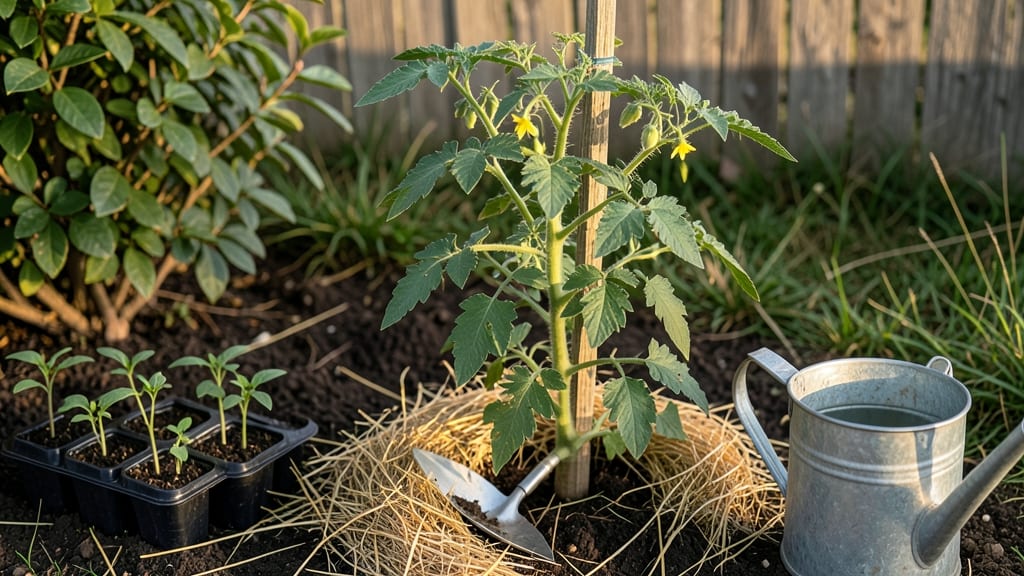
Timing when to plant fall tomatoes in North Texas isn’t just about the calendar—it’s about dodging both scorching August heat and sneaky early frosts that can wipe out your harvest before you even taste that first ripe fruit.
If you’ve ever watched your hard work wither overnight because you planted too late—or struggled through a sweltering summer trying to coax tomatoes to maturity—you know the stakes. The secret isn’t guessing; it’s working with your local microclimate, whether you’re in the DFW metroplex or the cooler Panhandle.
I’ve grown hundreds of tomato plants in North Texas, and the difference between a bumper crop and a bust comes down to two things: planting 6-8 weeks before your first frost (that’s August-September for most of us) and choosing varieties that can handle the heat and the chill.
Ready to turn your garden into a fall tomato goldmine? Let’s break down exactly when to plant, how to adjust for your specific corner of North Texas, and the 3 simple steps to guarantee a harvest before the frost hits.
North Texas fall tomato planting deadlines by microclimate zone
North Texas spans diverse microclimates where fall tomato planting windows can shift by weeks. The average first frost ranges from November 15 in Dallas-Fort Worth to October 20 in the Panhandle, forcing gardeners to adjust planting dates.
For East Texas, the window stretches later—often until November 1—thanks to milder temperatures near the Gulf Coast influence.
Your goal is to plant 60-75 days before your area’s first frost, using heat-tolerant varieties like 'Mountain Merit' or 'Celebrity' that thrive in North Texas’s late-summer heat. In urban areas like Arlington, heat islands can delay planting by 1-2 weeks compared to rural Lubbock, where cooler nights arrive sooner.
| Region | Last Safe Planting Date | First Frost Avg. | Heat Tolerance Tip |
|---|---|---|---|
| Dallas-Fort Worth | September 15–20 | November 15 | Use heat-tolerant varieties; mulch to cool roots. |
| Panhandle (Amarillo) | August 20–September 5 | October 20 | Prioritize early-maturing varieties (60-day). |
| East Texas (Tyler) | September 25–October 10 | November 1 | Extend season with row covers. |
| West Texas (Midland) | August 25–September 10 | October 25 | Avoid planting after September 15—frost risk rises sharply. |
*Based on 30-year averages; adjust 1-2 weeks for urban/rural differences.
For urban gardeners in Dallas, city heat can push planting back by 1-2 weeks. Check your local weather station for microclimate adjustments—some neighborhoods near lakes (like Lewisville) stay warmer longer. Rural areas, like the Rolling Plains, experience earlier frosts due to higher elevations and drier air.
If you’re unsure about your local frost date, use the National Weather Service’s Climate Normals tool or ask your local Cooperative Extension office. They’ll provide hyper-local data that accounts for elevation and soil type.
For example, Fort Worth’s Meacham Airport records often differ from downtown readings by 3-5 days.
Pro tip: Plant transplants instead of seeds for fall tomatoes—seedlings give you a 2-3 week head start over starting from seed. Nurseries in North Texas typically stock fall-ready tomato varieties by mid-August, so plan ahead.
Varieties like 'Tiny Tim' (60 days) or 'Better Boy' (75 days) are popular choices for their reliability in our climate.
Soil temperature matters just as much as air temperature. Aim for 60–70°F soil at planting time—colder soil slows root growth. Use a soil thermometer to check before planting.
If your soil runs cooler (common in clay-heavy soils like those in East Texas), warm it with black plastic mulch laid 2 weeks before transplanting.
Don’t forget to harden off seedlings for 7–10 days before planting. North Texas’s hot afternoon sun and cool desert nights (especially in the Panhandle) can shock tender seedlings. Gradually expose them to outdoor conditions to build resilience. This step alone can improve your tomato survival rate by 30%.
Finally, monitor your local weather forecast for unusual cold snaps. In 2021, a freak frost hit North Texas in mid-October, catching many gardeners off guard. Having a row cover or cold frame on hand can save your crop if temperatures dip unexpectedly.
Start planning now—your fall tomato harvest depends on it! 🍅
How to adjust planting dates for early frost risk in your specific area
North Texas’ unpredictable fall weather means your fall tomato planting dates might need last-minute adjustments. If your local forecast calls for an early frost—especially in the Panhandle (Zone 7b) or East Texas (Zone 8b)—you’ll need to act fast.
The key is monitoring 10-day temperature forecasts and adjusting your planting window accordingly.
For example, if the average first frost date in your area is November 15 but the forecast predicts frost by October 30, shift your planting 2 weeks earlier.
Use heat-tolerant varieties like 'Mountain Merit' or 'Celebrity', which mature in 60-70 days, to maximize your harvest before cold sets in.
Warning Signs of Early Frost
- ❄️ Dew forms at night and doesn’t evaporate by morning.
- 🌡️ Temperatures drop below 50°F at night for 3+ days.
- 🌬️ Wind shifts to the north, bringing colder air masses.
- 🌧️ Rain or fog lingers after sunset, trapping cold air.
If frost is imminent and your tomatoes aren’t mature, use row covers or black plastic mulch to protect them. For seedlings still in the ground, cover them with a lightweight blanket or frost cloth at night. These methods can buy you 1-2 weeks of extra growing time.
Another trick is to plant in containers and move them to a sunny garage or shed during cold snaps. This works best for determinate varieties like 'Roma' or 'Patio', which stay compact. Just ensure they get 6+ hours of sunlight daily, even indoors.
For gardeners in urban areas with heat islands (like Dallas), you might have 10-14 extra days of warmth. Use a soil thermometer to check if your soil stays above 55°F—the minimum for tomato roots. If it drops, delay planting until temperatures stabilize.
Finally, keep an eye on your tomato’s maturity timeline. If you planted 80-day varieties like 'Beefsteak' on September 1 but frost hits by October 20, you’ll only get 50 days of growth.
In this case, switch to 45-55 day varieties like 'Early Girl' or 'Sun Gold' for next year’s fall planting.