
Planting
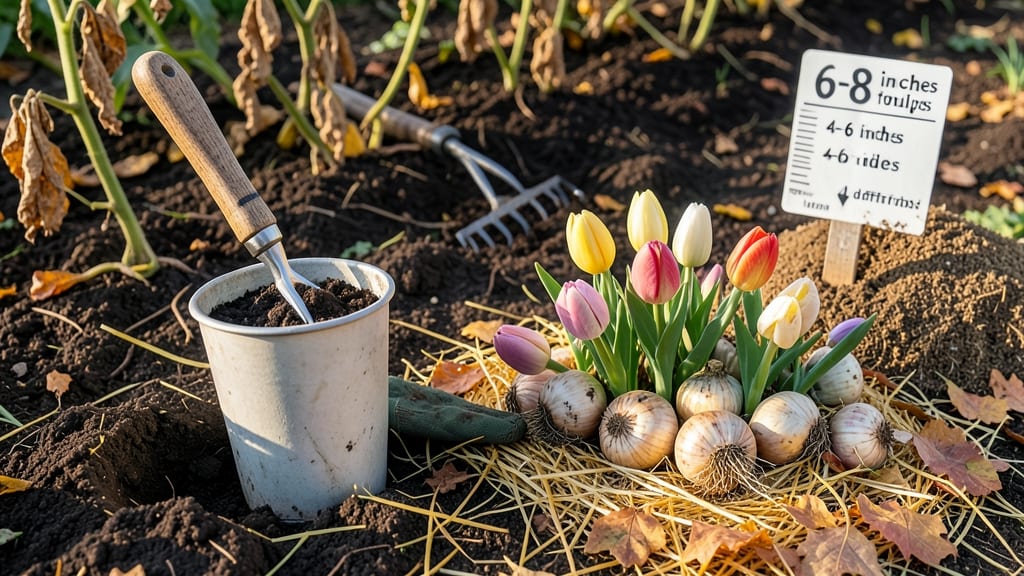
Timing when to plant flower bulbs in the fall just right means the difference between a garden bursting with color next spring and a sad, empty patch of dirt.
Too early, and those tender roots will rot before winter; too late, and frost will zap them before they even get started. But here’s the good news: with the right zone-specific deadlines, you can plant with confidence—and I’ll show you exactly when and how.
Most gardeners in Zone 6a (like where I live) have a 6-8 week window before the first frost to get bulbs in the ground. That means if your last frost hits around mid-November, aim for mid-September to early October.
But what if you’re in a warmer zone or facing unpredictable weather? We’ll break down how to adjust without guessing.
You’ll also discover why some bulbs—like crocus—can handle early planting while others, like tulips, need a firmer deadline. Plus, I’ll share my foolproof soil prep and spacing tricks to ensure your flower bulbs thrive year after year. Let’s make next spring your garden’s most vibrant yet!
No more second-guessing—just a clear, step-by-step guide to planting flower bulbs so they’ll bloom like clockwork. Ready to dig in?
Fall planting deadlines by USDA Hardiness zones: when to plant for frost-proof success
Planting flower bulbs in the fall is all about timing. Bulbs need 6-8 weeks to establish roots before the ground freezes. If you plant too early, they’ll rot in warm soil; too late, and frost will kill them before sprouting. The key is soil temperature, not calendar dates.
Most flower bulbs thrive when soil temps drop to 60°F—this triggers root growth. Use a soil thermometer to check, or follow your USDA Hardiness Zone for general guidelines. Below, I’ll break down the ideal planting windows for zones 3 through 10, including regional tweaks for unpredictable climates.
| USDA Zone | Ideal Planting Window | Soil Temp Goal | Notes |
|---|---|---|---|
| Zones 3-4 (Coldest) | Mid-September to early October | 50-60°F | Early frost risk; use mulch for insulation. |
| Zones 5-6 (Cool Temperate) | Late September to mid-October | 55-60°F | Classic tulip/daffodil zone; aim for 6 weeks before frost. |
| Zones 7-8 (Mild Winters) | td style="padding: 10px; border-bottom: 1px solid #add474;">October to early November60-65°F | Later planting possible; some bulbs (e.g., crocus) can handle it. | |
| Zones 9-10 (Warm Winters) | November to December | 60-70°F | Tropical bulbs (e.g., rain lilies) thrive here; avoid frost entirely. |
For Zone 3-4 gardeners, early September planting is critical—these areas often see frost by late October. Use a thick mulch layer (4-6 inches) of straw or leaves to insulate bulbs from temperature swings.
In Zones 7-10, you’ve got more flexibility, but avoid planting after the first frost—bulbs need cold to bloom reliably.
Pro tip: Check your local frost dates (via the National Weather Service or Almanac) and count backward. For example, if your first frost is November 15, aim to plant by October 1. This works for tulips, daffodils, hyacinths, and most spring-blooming bulbs.
Regional tweaks matter! In the Pacific Northwest, cooler soils mean you can plant later (even into November) without risk. Meanwhile, the Deep South (Zone 8+) may need to plant early November to avoid winter rains that rot bulbs.
Don’t forget soil prep: Loosen soil to 12 inches deep, mix in compost, and avoid fresh manure—it burns bulbs. For heavy clay, add sand or perlite to improve drainage. Bulbs hate soggy soil!
If you’re unsure about your zone, grab a soil thermometer ($10 at garden centers) and monitor temps. Plant when they hit 60°F consistently for 3-5 days. This is your green light for bulb planting.
Remember: No two falls are alike. A warm September in Zone 5 might mean bulbs rot if planted early. Always prioritize soil temperature over calendar dates for foolproof success.
How to adjust planting time for early frost or unpredictable weather
When fall arrives with unpredictable frost dates, your flower bulbs can still thrive with a few smart adjustments. The key is understanding how soil temperature and local frost risks interact—plant too early, and bulbs rot; too late, and they won’t establish roots before winter.
In high-risk zones like Zone 4-6, I’ve learned to play it safe by checking the 10-day forecast and adjusting my timeline accordingly.
For gardeners in areas with early frosts, aim to plant bulbs 4-6 weeks before the ground freezes. This gives roots time to grow while protecting the bulbs themselves, which can handle cold temperatures once dormant.
In my experience, late October works well in most regions, but I always verify with my local cooperative extension service for precise frost dates.
🌱 Soil temperature is your best friend here. Bulbs need 60°F soil to start rooting—colder than that, and growth stalls. Use a soil thermometer (just $10 at garden centers) to check temperatures at a 6-inch depth.
If it’s still above 50°F, you’re safe to plant; below that, wait a week or two.
⚠️ Common Mistake Alert
Planting too deep in cold climates can trap moisture, causing bulbs to rot before winter. In Zone 3-5, I dig holes only 2-3 times the bulb’s height (e.g., 6 inches for a 2-inch tulip bulb) and add a 1-inch layer of sand at the bottom for drainage.
Planting too shallow risks frost heave—bulbs popping out of the ground when soil freezes and thaws. In my garden, I mulch heavily (4-6 inches of straw or leaves) after planting to insulate bulbs naturally.
If frost sneaks up earlier than expected, don’t panic. Store unplanted bulbs in a cool, dark place (like a garage or basement) until conditions improve. I’ve kept bulbs in paper bags in the fridge for up to 2 weeks without issues. Just avoid plastic—it traps moisture and causes rot.
For late-season adjustments, prioritize bulbs that tolerate cold well, like daffodils and crocuses. These hardy varieties can handle light frosts even after planting, giving you a buffer if your timing is off.
In my Zone 6a garden, I plant these first, then move to tulips and hyacinths as the season progresses.
Finally, layer your bulbs if you’re worried about timing. Plant fall-blooming bulbs (like snowdrops) first, then add spring bloomers (tulips, daffodils) a few weeks later. This way, you get multi-season color even if some bulbs miss their ideal window.
With these tweaks, you’ll beat frost like a pro—no more sad, half-rotted bulbs or missed blooms. Happy planting! 🌿