
Flowers
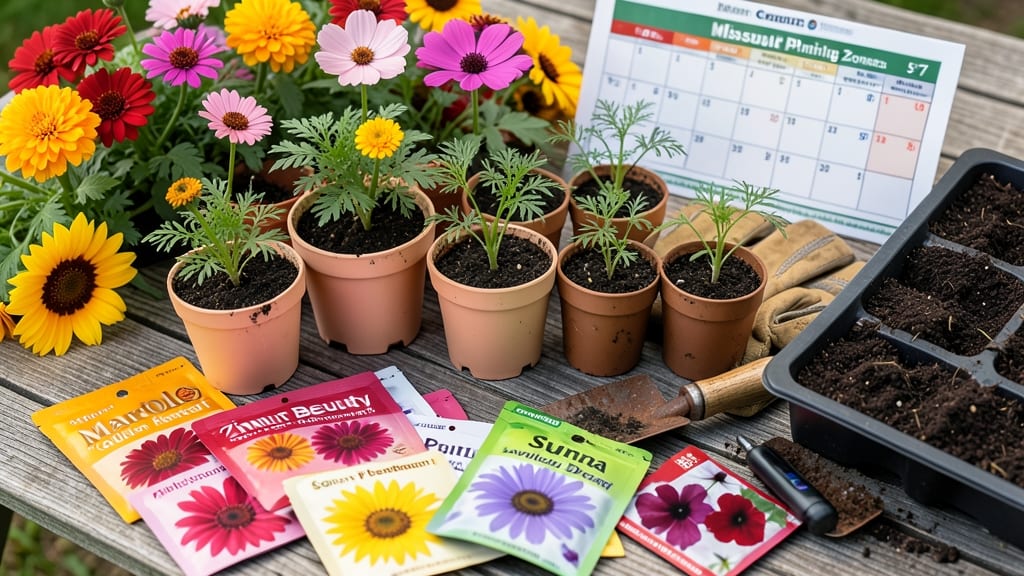
Planting flower seeds in Missouri at the wrong time can mean the difference between a vibrant garden and a sad, wilted disappointment. Whether you're a seasoned gardener or just starting out, getting your timing right is the key to seeing those 🌸 blooms thrive all season long.
Missouri's climate—with its unpredictable frost dates and scorching summers—demands a strategic approach. Too early, and a late frost will nip your seedlings in the bud. Too late, and summer heat arrives before your flowers even have a chance to sprout.
The good news? With the right planting schedule tailored to your region, you can beat the odds and enjoy continuous color from spring through fall.
In this guide, I'll break down the ideal planting windows for Missouri's 5b-6b zones, including when to start seeds indoors versus direct sowing outdoors. You'll also discover which heat-tolerant varieties will keep blooming even when temperatures soar, plus pro tips for extending your flower season with smart succession planting.
Ready to transform your garden into a nonstop parade of color? Let's dive into the exact timing and techniques that will give your flower seeds the best possible start—no more guesswork, just beautiful blooms.
Missouri frost dates & ideal planting windows for flower seeds
Missouri’s USDA zones 5b-6b mean frost dates vary by region—northern areas like St. Joseph average April 15 for last spring frost, while southern areas like Poplar Bluff see it by March 20.
First fall frost hits October 15 statewide, so plan accordingly. Cool-season flowers like pansies and snapdragons can handle light frosts, but tender annuals like marigolds need warmer soil.
For annual flowers, start seeds indoors 6-8 weeks before your last frost date—this means mid-January for northern Missouri and early February for southern regions. Direct-sow hardy varieties like calendula or nasturtiums as soon as soil reaches 40°F, typically by late March in most areas.
Perennials like black-eyed Susans and coneflowers can be sown directly in early spring (March-April) or late summer (August-September) for fall blooms. Bulbs such as tulips should go in October—before the ground freezes—to establish roots before winter.
Missouri’s 165 frost-free days create two prime planting windows: early spring (March-April) for cool-loving flowers and late summer (August-September) for heat-tolerant varieties. Use these dates as your guide, but always check local forecasts—unpredictable late frosts can still occur in May.
| Planting Window | Best Flowers | Soil Temp | Frost Risk |
|---|---|---|---|
| Early Spring (Feb-Mar) | Pansies, Snapdragons, Calendula | 40-50°F | High (use row covers) |
| Late Spring (Apr-May) | Marigolds, Sunflowers, Zinnias | 55-65°F | Moderate (watch forecasts) |
| Late Summer (Aug-Sep) | Cosmos, Black-Eyed Susans, Aster | 60-70°F | Low (fall frost approaching) |
| Fall (Oct) | Tulip Bulbs, Pansies, Sweet Alyssum | 50-55°F | High (plant early Oct) |
Missouri’s northern regions (e.g., Kansas City) have 2-3 weeks later frost dates than southern areas like Springfield. Adjust your planting by 10-14 days if you’re near the Ozark Mountains, where nights stay cooler.
For container gardening, use black plastic mulch to warm soil faster in early spring.
Test soil temperature with a soil thermometer—most flower seeds need 55-65°F to germinate. If your garden bed is still below 50°F in April, wait or use heat mats for seed trays. Slow germination is a common issue in Missouri’s unpredictable spring weather.
For cool-season flowers, aim to have blooms established by Mother’s Day (May 10) to avoid late frosts. In southern Missouri, you can push this to May 15-20. Use row covers if nighttime temps dip below 32°F after planting.
Missouri’s humidity and summer heat (often exceeding 90°F) make late summer planting (August-September) ideal for heat-tolerant annuals. These flowers establish roots before fall, then bloom next spring. Succession planting every 2-3 weeks ensures continuous color.
Always check the Missouri Botanical Garden’s frost date maps or your local University of Missouri Extension for yearly updates. Microclimates (like south-facing slopes) can extend your growing season by 1-2 weeks, so observe your own garden’s patterns.
Remember: Missouri’s growing season is short—don’t waste time on slow-to-mature flowers like hollyhocks. Opt for fast-blooming annuals (e.g., cosmos, marigolds) to maximize your 165 frost-free days.
Missouri frost dates & ideal planting windows for flower seeds
Missouri’s last spring frost dates vary by region, but most areas experience frost until mid-April. Northern zones like St. Louis (Zone 6a) often see frost until April 15, while southern areas like Springfield (Zone 7a) may warm up by April 1.
Always check your local USDA hardiness zone—it’s the key to timing your flower seed planting perfectly.
For cool-season flowers like pansies, violas, and snapdragons, I recommend starting seeds indoors 6-8 weeks before your last frost date. These hardy annuals can handle light frosts once transplanted, giving you early blooms as soon as late March.
If you’re planting directly outdoors, wait until soil temperatures reach at least 50°F—usually mid-to-late April.
🌱 Pro Tip: Use a soil thermometer to check temperatures. Most flower seeds need soil at 60-70°F to germinate properly. If your soil is too cold, your seeds may rot instead of sprouting.
| Flower Type | Best Planting Time | Notes |
|---|---|---|
| Cool-Season Annuals (Pansies, Snapdragons) | March-April (Indoors: Feb) | Tolerates light frost; direct sow after last frost. |
| Warm-Season Annuals (Zinnias, Marigolds) | April-May (Indoors: March) | Wait until soil is 60°F+; avoid frost. |
| Perennials (Coneflowers, Black-Eyed Susans) | April-May (or Fall) | Direct sow after frost; fall planting for early spring blooms. |
| Fall-Blooming Annuals (Cosmos, Sunflowers) | July-August | Heat-tolerant; sow after summer heat peaks. |
Missouri’s first fall frost typically arrives in mid-October, but it can vary. For summer-blooming annuals like zinnias or cosmos, I suggest planting seeds directly in the garden in late July or early August. These varieties thrive in hot weather and will keep blooming until frost.
🌿 Warning: Avoid planting warm-season flowers like petunias or geraniums too early. If you sow them in March or early April, they’ll languish in cold soil and may not bloom until late summer—missing your peak spring display. Instead, wait until mid-April when nights are consistently above 50°F.
For perennials, like coneflowers or black-eyed Susans, you can also plant seeds in early fall (September). This gives them time to establish roots before winter, resulting in earlier and more vigorous blooms the following spring.
Just be sure to mulch heavily to protect young plants from freezing temperatures.