
Flowers
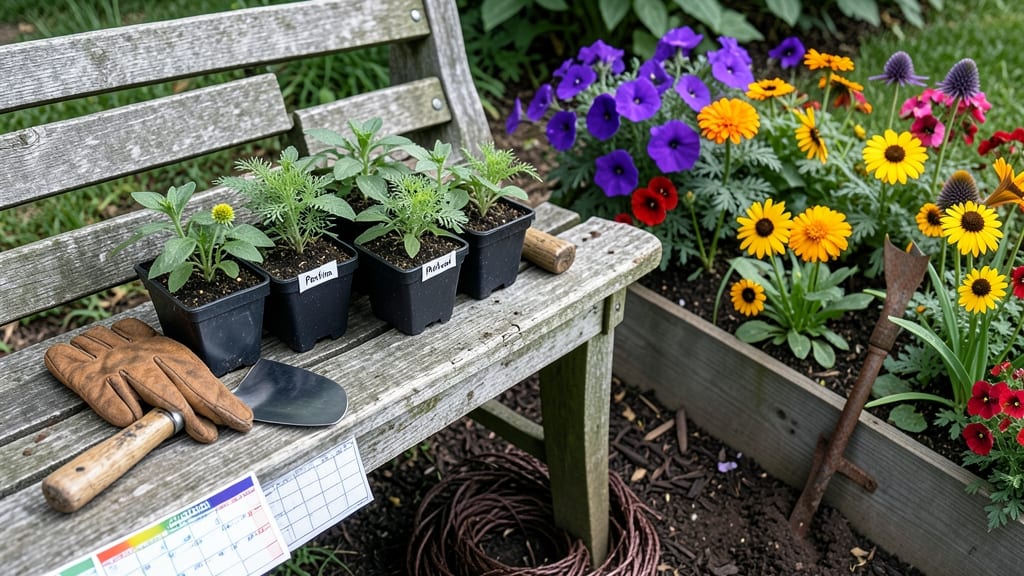
When to plant flowers in Delaware at the right time could mean the difference between a vibrant garden and a sad, frost-nipped disappointment. With Delaware’s Zone 7a-7b climate, you’ve got a narrow window to plant before those unpredictable late frosts strike—especially around April 15. I’ve learned the hard way that planting too early can leave your 🌸 blooms wilted, while waiting too long might mean missing the best seasonal displays. Whether you’re dreaming of sunflowers reaching for the sky or delicate pansies brightening up your spring, getting the timing right is the key to success. In this guide, I’ll break down the exact planting deadlines for Delaware’s most popular flowers, from cool-season favorites like tulips to heat-loving annuals. You’ll discover how to adjust for coastal breezes, inland heat, and even those sneaky late frosts that can throw off your best-laid plans. Ready to transform your garden into a year-round showstopper? Let’s dive into the perfect planting schedule so you can enjoy blooms from spring through fall—without the guesswork.
Delaware’s Zone 8a frost dates: safe planting windows by flower type
Delaware’s Zone 8a climate creates a unique gardening challenge—mild winters and warm summers, but with unpredictable frost dates that can ruin your flower beds if you’re not prepared.
The average last frost date falls between April 15 and May 15, but coastal areas like Rehoboth Beach often warm up 1-2 weeks earlier than inland regions like Wilmington.
For gardeners, this means timing is everything—plant too early, and frost will kill tender blooms; wait too long, and your summer flowers may struggle to establish roots before heat sets in.
To simplify your planning, I’ve broken down the ideal planting windows for Delaware’s most popular flowers, including annuals, perennials, and bulbs. Whether you’re growing heat-loving zinnias or cool-season pansies, knowing these deadlines will help you avoid common mistakes and maximize your garden’s potential.
Let’s dive into the specifics so you can start planting with confidence.
🌱
| Flower Type | Planting Window | Notes for Delaware |
|---|---|---|
| Cool-Season Annuals (Pansies, Violas, Snapdragons) | Late August–October (fall) or February–March (spring) | Tolerate light frost; plant 6 weeks before first frost for fall blooms. |
| Heat-Loving Annuals (Zinnias, Sunflowers, Marigolds) | After May 15 (inland) or April 30 (coastal) | Wait until soil is 60°F+; mulch to retain moisture. |
| Perennials (Coneflowers, Black-Eyed Susans, Daylilies) | March–April (bare-root) or April–May (potted) | Established perennials handle Delaware’s winters; divide in early spring. |
| Spring-Blooming Bulbs (Tulips, Daffodils, Hyacinths) | October–November (fall planting) | Plant 6-8 weeks before ground freezes; avoid soggy soil. |
| Summer-Blooming Bulbs (Dahlias, Gladiolus) | After May 15 (soil must be warm) | Use black plastic mulch to warm soil faster in inland areas. |
Understanding these planting windows is just the first step. Delaware’s microclimates play a huge role in success. For example, coastal gardens near the Atlantic Ocean benefit from moderating breezes and warmer springs, allowing you to plant annuals like zinnias 1-2 weeks earlier than inland gardeners.
Meanwhile, inland areas like New Castle County experience more temperature swings and may need to wait until late May to avoid late frosts.
If you’re unsure about your local frost risk, I recommend checking the National Weather Service’s Wilmington office or using a frost calendar app like Frost Freeze. These tools provide real-time updates on frost predictions and can help you adjust your planting schedule dynamically.
For instance, if a late April frost is forecasted, hold off on planting tender annuals until after May 1.
Another pro tip: Soil temperature matters just as much as air temperature. Use a soil thermometer to ensure it’s at least 60°F before planting warm-season flowers. Cool soil can stunt growth, even if the air feels warm.
In Delaware, this often means waiting until early June for heat-sensitive plants like tomato plants (yes, they’re flowers too!) to thrive.
For container gardening, you have more flexibility to manipulate timing. Start annuals indoors in February under grow lights, then transplant them outside after the last frost. This trick lets you enjoy earlier blooms and extends your growing season.
Just be sure to harden off your seedlings gradually to avoid shock when moving them outdoors.
Finally, don’t overlook fall planting for flowers like pansies and calendulas. These cool-season favorites can handle light frosts and often bloom earlier in spring than spring-planted varieties. Aim to get them in the ground by mid-October to give them time to establish roots before winter.
🌿
How to adjust planting for Delaware’s unpredictable spring weather
Delaware’s coastal and inland areas can experience late frosts well into May, making timing critical for delicate blooms. If you plant too early, a surprise frost can kill seedlings before they establish roots.
Conversely, waiting too long may delay your seasonal color display. The key is flexibility—adjusting your strategy based on soil temperature, microclimates, and real-time weather forecasts.
For high-risk zones like coastal Delaware, I recommend a 4-week buffer. If your last frost date is April 15, wait until May 1 to plant tender annuals like petunias or geraniums.
Inland areas may see frosts as late as May 5, so push planting to mid-May for extra protection. Use a soil thermometer—most flowers need soil temps of 60°F+ to thrive.
Container gardening is a game-changer for early starts. Pots warm up faster than garden beds, giving you a 2-3 week head start on spring planting. Place containers in a protected spot (like near a south-facing wall) and cover them with frost cloth on cold nights.
For heat-loving flowers like zinnias or marigolds, you can even start them indoors 4-6 weeks before your average last frost.
⚠️ Late Frost Warning
Never trust the calendar alone. Delaware’s coastal breezes can delay warming, while inland areas may heat up faster. Sign up for local frost alerts (like those from the National Weather Service) and monitor plant hardiness maps. If a frost is forecasted after planting, cover seedlings with row covers or old blankets—even a light frost can stunt growth.
If you’re planting bulbs like tulips or daffodils, timing shifts slightly. For spring bloomers, plant in October-November—this gives roots time to establish before winter. For fall-blooming bulbs (like crocuses), wait until late summer (August) to avoid rot from excess moisture.
Mulch heavily after planting to insulate roots and retain moisture.
For perennials, divide and transplant in early spring (March) or early fall (September). This gives them 6-8 weeks to re-establish roots before extreme heat or cold. Avoid transplanting in peak summer—the stress of heat and limited water can kill struggling plants.
Instead, focus on soil prep and mulching to protect existing perennials.
Pro tip: Group plants by hardiness. Place tender annuals near shrubs or walls to break wind and trap heat. Use black plastic mulch in early spring to warm soil faster—this can shave 1-2 weeks off your planting timeline.
Just remove it before flowering begins to avoid overheating roots.
Finally, keep a planting journal to track what works in your specific microclimate. Note frost dates, bloom times, and weather quirks—this helps you refine your strategy year after year. With these adjustments, you’ll beat Delaware’s unpredictable spring and enjoy longer, more vibrant blooms.