
Flowers
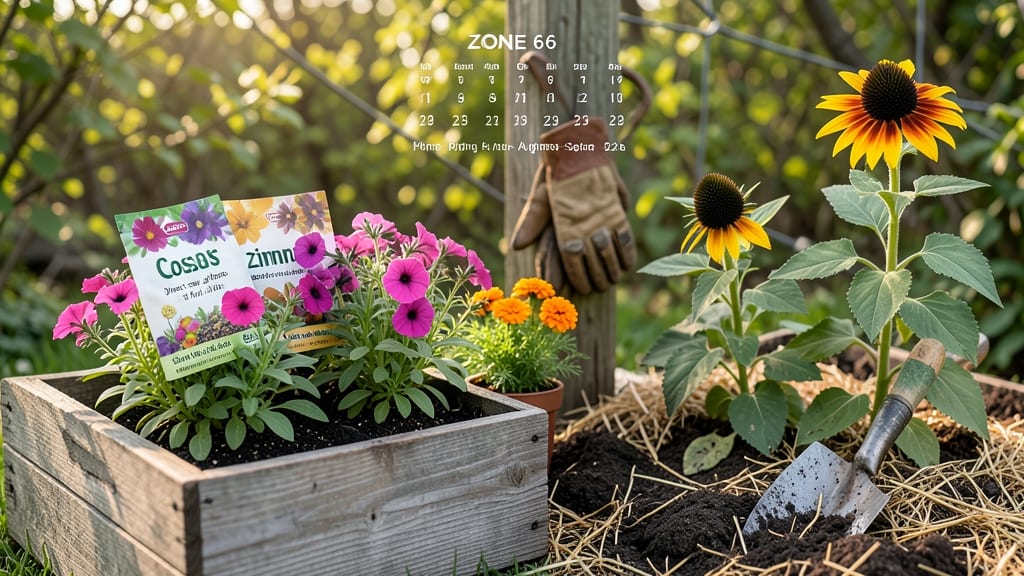
Timing your flowers planting in Zone 6 can mean the difference between a showstopping garden and a frost-killed disappointment. With 6a-6b winters that linger into April and first frosts creeping in by October, getting the schedule right is everything.
I’ve spent years perfecting my own Zone 6 garden, and the key isn’t just waiting for warm weather—it’s about understanding which 🌸 flowers thrive in cool spring soil and which need to wait until the ground warms.
Some, like pansies, can handle early spring plantings, while others, like zinnias, will bolt if you plant them too soon.
In this guide, I’ll walk you through the exact month-by-month schedule for annuals, perennials, and bulbs—plus how to adjust for your local microclimate. Whether you’re planting for spring blooms or fall color, you’ll learn how to stretch your growing season without risking frost damage.
Ready to transform your garden into a year-round paradise? Let’s dive into the perfect planting times that’ll keep your 🌸 flowers blooming from April through October.

Zone 6 frost dates and best flower planting months by type
Zone 6 gardeners face a 165-day frost-free window, making timing everything for vibrant blooms. The last frost typically hits mid-April, while the first frost arrives around mid-October. Understanding these dates helps you avoid frost damage and maximize your flower beds.
Your planting strategy should divide flowers into three categories: cool-season annuals, warm-season annuals, and perennials. Each has its own ideal window to thrive in Zone 6's climate. Let’s break it down by month and flower type to ensure your garden stays colorful from spring to fall.
| Flower Type | Best Planting Month | Notes |
|---|---|---|
| Cool-Season Annuals | February–March | Pansies, snapdragons, sweet peas tolerate light frost. Start seeds indoors in late winter. |
| Warm-Season Annuals | May–June | Marigolds, zinnias, petunias need soil temps above 60°F. Wait until after last frost. |
| Spring-Blooming Perennials | March–April | Tulips, daffodils, and peonies thrive when planted 6–8 weeks before last frost. |
| Fall-Blooming Perennials | August–September | Coneflowers, black-eyed Susans, and asters love late summer planting for fall color. |
| Bulbs (Spring) | September–October | Plant tulips and daffodils 6–8 weeks before first frost for spring blooms. |
| Bulbs (Fall) | October–November | Crocuses and hyacinths handle early winter chill if planted before ground freezes. |
For cool-season annuals, I recommend starting seeds indoors in February for early blooms. Hardy varieties like pansies and snapdragons can handle light frosts, but avoid planting them too early—they’ll rot in cold, soggy soil. Direct-sow seeds in March for a head start on the season.
Warm-season flowers like zinnias and marigolds need to wait until after your last frost date, usually mid-May in Zone 6. These heat-lovers will sulk if planted too soon, so resist the urge to rush them! Test soil temps with a thermometer—aim for 60°F or warmer.
Perennials are the workhorses of your garden, offering years of blooms with minimal effort. Plant spring-blooming perennials like peonies in March–April, while fall-blooming varieties (like coneflowers) thrive when planted in August–September. This timing ensures they establish roots before winter.
Don’t overlook bulbs—they’re the secret to early spring color. Plant spring-blooming bulbs (tulips, daffodils) in September–October, giving them time to root before the ground freezes. For fall-blooming bulbs like crocuses, plant them in October–November for a late-winter surprise.
Pro tip: Use row covers or cold frames to extend your planting window for tender annuals. This lets you plant marigolds or petunias a few weeks earlier without risking frost damage. Just remove covers when daytime temps hit 70°F to avoid overheating.
Zone 6’s microclimates also play a role. South-facing beds warm up faster, while north-facing spots stay cooler. Adjust planting dates by 1–2 weeks based on your garden’s sun exposure. Observe your local frost patterns over the years to fine-tune your schedule.
By following this month-by-month guide, you’ll avoid the heartbreak of frost-killed flowers and enjoy a garden bursting with color from spring through fall. Start with the hardiest varieties in February–March, then layer in warm-season plants as the weather warms.
How to extend your Zone 6 flower season with smart planting strategies
Extending your Zone 6 flower season means more color, more fragrance, and more joy in your garden—without risking frost damage. The secret? A mix of succession planting, protective gear, and choosing the right heat-loving flowers for late summer.
I’ve used these strategies for years to keep my garden blooming from April through October, even with our unpredictable frosts.
Start with succession planting, which is simply staggering your plantings every 2-3 weeks. This ensures a continuous supply of blooms instead of one big burst followed by bare soil.
For example, plant marigolds in early May, then again in late June to fill the gap when the first batch fades. This works especially well for annuals like zinnias and cosmos, which thrive in the heat.
For early spring and late fall, row covers and cold frames are game-changers. A lightweight frost cloth can protect tender plants like petunias or geraniums down to 25°F, giving you an extra 2-3 weeks of blooms in the fall. I use them over my pansies and snapdragons in early spring to jumpstart the season. Just
Another trick? Choose perennials with long bloom times, like coneflowers or black-eyed Susans, which naturally extend your season. Pair them with warm-season annuals like sunflowers or celosia for late summer color. These plants love the heat and will keep blooming long after spring flowers have faded.
Don’t overlook bulbs for fall planting! Tulips and daffodils planted in October will reward you with early spring blooms. For a mid-season boost, try alliums or fritillaries, which bloom in late spring when other flowers are just waking up.
These bulbs are cold-hardy and will naturalize over time, giving you fewer chores and more blooms.
Finally, deadheading spent blooms is a simple but powerful way to encourage more flowers. Whether it’s roses, dahlias, or impatiens, removing faded flowers redirects the plant’s energy into producing new buds.
I make it a habit to spend 10 minutes every morning snipping spent blooms—it keeps my garden looking fresh and blooming longer.
With these strategies, you can turn your Zone 6 garden into a year-round spectacle. The key is planning ahead, layering your plantings, and giving your flowers the right conditions to thrive. Soon, you’ll have a garden that’s the envy of the neighborhood—no frost failures in sight!
- 1. Succession Planting: Stagger plantings every 2-3 weeks for continuous blooms (e.g., marigolds, zinnias).
- 2. Use Row Covers: Protect tender plants (pansies, petunias) with frost cloth down to 25°F for extra weeks of blooms.
- 3. Choose Heat-Lovers: Plant zinnias, cosmos, and sunflowers for late-summer color when spring flowers fade.
- 4. Plant Fall Bulbs: Tulips and daffodils in October ensure early spring blooms without extra effort.
- 5. Deadhead Regularly: Snip spent blooms daily to encourage new flowers (works for roses, dahlias, and more).