
Plants
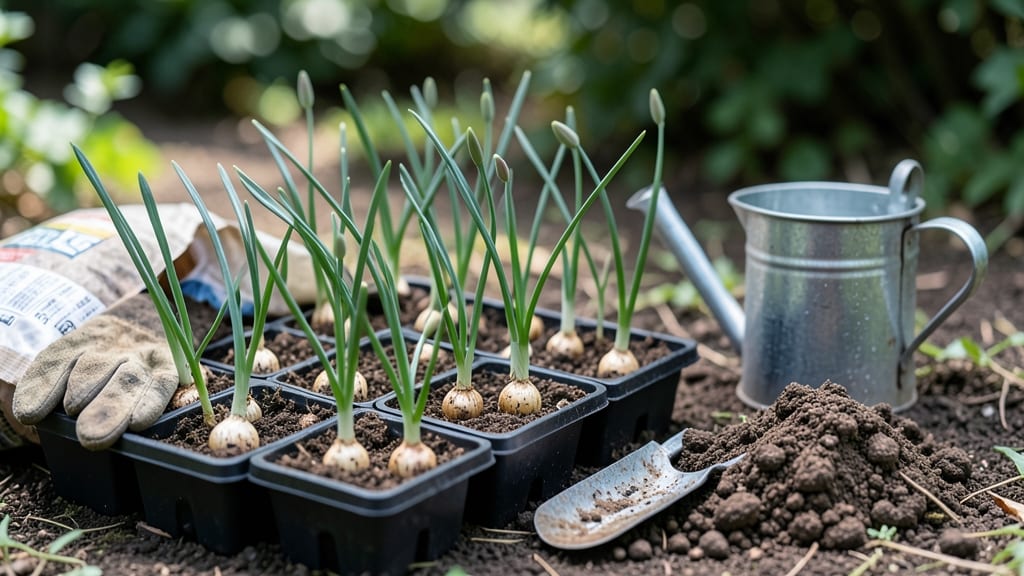
Timing is everything when it comes to planting freesias in Melbourne, and getting it right means the difference between vibrant blooms and wasted effort.
The autumn window—specifically March to April—is your golden opportunity to plant these delicate 🌸 freesias for a stunning spring display, avoiding the frost risks that can damage tender bulbs.
Melbourne’s temperate climate in zones 9-10 creates the perfect conditions for freesias, but only if you plant at the right time. Unlike spring planting, autumn gives bulbs a head start to establish roots before winter’s chill sets in.
This means stronger stems, healthier foliage, and—most importantly—zero-frost damage to your blooms.
I’ve seen firsthand how a few weeks’ difference can make or break a freesia garden. Too early, and your bulbs might rot in cool, damp soil; too late, and they won’t have enough time to root before winter.
The key is understanding Melbourne’s microclimates—whether you’re in the cooler Yarra Valley or the milder coastal suburbs—to fine-tune your planting schedule.
In this guide, I’ll walk you through the exact autumn planting window, soil prep tips, and how to protect your freesias from Melbourne’s unpredictable weather. By the end, you’ll know exactly when, where, and how to plant for a garden bursting with color—without the guesswork.
Best autumn planting months for freesias in Melbourne’s climate zones
Melbourne’s autumn planting window for freesias is your golden opportunity to avoid frost damage while ensuring vibrant spring blooms. Unlike spring planting, autumn gives bulbs time to establish strong roots before Melbourne’s first frosts in May–June.
The ideal window is March to early April, when soil temperatures stay above 10°C (50°F)—perfect for root growth without heat stress.
Coastal areas like St Kilda and Brighton can plant slightly later (up to mid-April) thanks to milder microclimates, while inland zones like the Yarra Valley should aim for early March to beat frost risks.
Always check your local Bureau of Meteorology frost forecasts—even Melbourne’s suburbs vary by 2–3 weeks in frost timing.
Freesias need 6–8 weeks of root establishment before winter dormancy. Planting in late April risks stunted growth if frosts hit early. Use this frost-free timeline to time it perfectly: count back 8 weeks from your area’s first frost date and plant then.
🌱 Melbourne Freesia Planting Summary
| Zone | Ideal Planting Window | Soil Temp Threshold | Frost Risk |
|---|---|---|---|
| Coastal (e.g., St Kilda) | March 15 – April 15 | 10–15°C (50–59°F) | Low (rare frosts) |
| Inland (e.g., Yarra Valley) | March 1 – March 15 | 10–12°C (50–54°F) | Moderate (early frosts) |
| Northern Suburbs (e.g., Preston) | March 10 – April 5 | 11–14°C (52–57°F) | Low-Moderate |
💡 Pro Tip: Test soil temp with a thermometer—dig 5cm deep at midday. If below 10°C, wait 1–2 weeks.
Adjust your planting if Melbourne’s autumn is unusually warm or cool. For example, if March temperatures soar above 25°C (77°F), delay until late March to prevent bulb dehydration. Conversely, if April brings early rains, plant sooner to avoid waterlogged soil.
Container gardeners have flexibility—move pots indoors if frosts are forecast. Freesias in pots can handle temporary indoor conditions (bright light, 15°C+) until outdoor temps stabilize. Just avoid heaters or drafts, which stress bulbs.
Timing isn’t just about months—it’s about moon phases too. Plant during the waxing moon (right after the new moon) for stronger root growth. Check a lunar planting calendar for Melbourne’s phases in March/April.
After planting, mulch heavily with straw or sugar cane mulch (5cm deep) to insulate bulbs. This buys you 2–3 extra weeks of frost protection while roots establish. Remove mulch in early September to prevent overheating as spring approaches.
Watch for slugs in Melbourne’s damp autumns—they adore tender freesia shoots. Set out beer traps or use copper tape around pots to deter them. A single slug can devour a young shoot overnight, ruining your bloom potential.
Once planted, freesias need minimal care until spring. Water deeply once a week (unless rain falls) to encourage deep roots. Avoid overwatering—soggy soil leads to rot, especially in Melbourne’s heavy clay soils. Amend beds with sand or perlite if drainage is poor.
Your freesias will reward you with fragrant blooms from October to December, just as Melbourne’s summer heats up. Time your planting right, and you’ll enjoy cut flowers for indoor arrangements all season long—zero frost risk, maximum impact. 🌸
Best autumn planting months for freesias in Melbourne’s climate zones
Freesias thrive in Melbourne’s autumn window, but the exact timing depends on your local microclimate. For most suburbs, late March to early April is ideal—when soil temperatures hover around 15–20°C (59–68°F) and frost risk drops below 10%. This gives bulbs 6–8 weeks to root before winter’s first chill.
Cooler inland areas like the Yarra Valley may need to plant by mid-March to avoid early frosts, while coastal suburbs like St Kilda can wait until early April. Always check your local Bureau of Meteorology frost alerts—a late March frost can devastate unrooted bulbs.
Here’s the critical frost-free timeline for autumn-planted freesias: bulbs need 4–6 weeks of root establishment before winter sets in. In Melbourne’s Zone 9–10 climate, this aligns perfectly with March–April planting.
🌱 Freesia Planting Timeline for Melbourne
| Stage | Action | Melbourne Month |
|---|---|---|
| Bulb Purchase | Choose firm, dry bulbs from nurseries | February–March |
| Soil Prep | Amend soil with compost and grit | Late March |
| Planting | 2 inches deep, 4 inches apart | March–April |
| Root Establishment | Water deeply; avoid frost exposure | April–May |
| Bloom Time | Stems emerge; protect from late frosts | August–September |
💡 Pro Tip: Use frost cloth in May–June if early frosts are forecasted.
If you miss the March–April window, early April is still viable for coastal areas, but inland gardeners should avoid planting after mid-April. Bulbs planted too late may not establish roots before winter, leading to weak stems and poor flowering.
For container gardening, you can extend the window slightly—plant in April and move pots to a sheltered spot. Just ensure pots have drainage holes to prevent rot in Melbourne’s damp autumns.
Remember: Soil temperature, not air temperature, determines planting success. Stick your finger 2 inches deep—if the soil feels warm to the touch, it’s time to plant. Cool, damp soil in early autumn will suffocate your bulbs.