
Trees
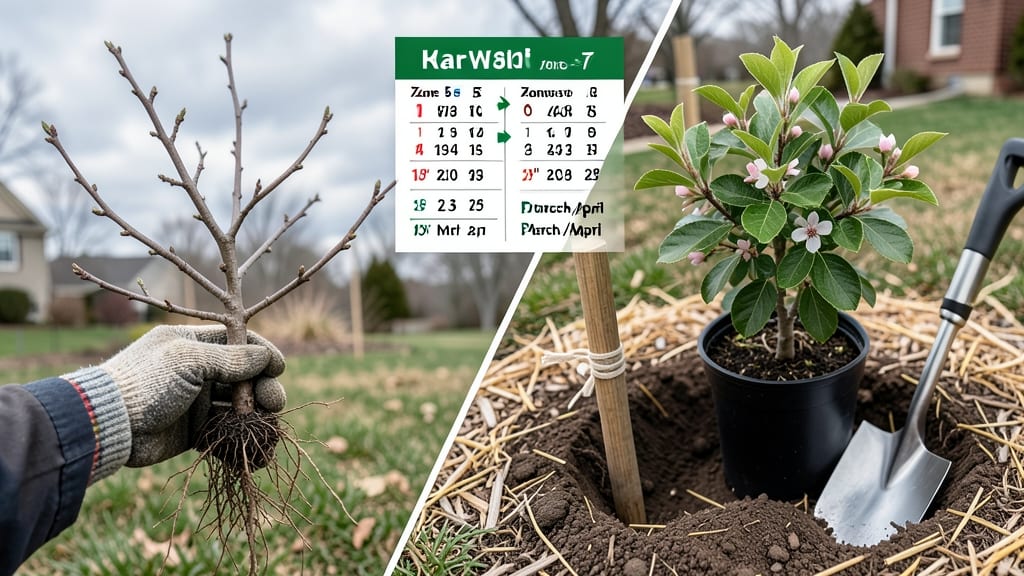
Timing your fruit tree planting in Kansas could mean the difference between a thriving orchard and struggling saplings. The 5b-7a zones demand precision—plant too early, and frost zaps young roots; too late, and your 🍎 misses critical growing windows.
Most gardeners swear by late winter to early spring, but Kansas' variable climate offers a second chance in fall. Whether you're planting bare-root trees or container-grown varieties, understanding these seasonal cues is the key to avoiding transplant shock and setting your trees up for success.
I'll break down exactly when to dig in your region, from soil temperature thresholds to frost-free date calculations. You'll learn which months work best for your specific fruit types and how to extend the planting window when conditions are just right.
Ready to grow fruit trees that flourish? Let's get your orchard off to the strongest start possible with zone-specific timing that actually works for Kansas gardeners.
Best planting months for Kansas fruit trees by hardiness zone (5b-7a)
Kansas spans USDA hardiness zones 5b through 7a, creating distinct planting windows for fruit trees. The ideal time depends on whether you're planting bare-root trees or container-grown varieties, as well as your specific zone.
For most Kansas gardeners, late winter to early spring (February-April) offers the best conditions, but fall planting also works if done correctly.
In zone 5b (northwest Kansas), where winters are colder, focus on early spring planting (March-April) to avoid late frosts. Meanwhile, zone 7a (southeast Kansas) allows for fall planting (October-November) with less frost risk.
Understanding these differences ensures your trees establish strong roots before Kansas' hot summers or harsh winters take hold.
Apples, pears, and cherries thrive when planted in late winter or early spring because they need 6-8 weeks of dormancy before bud break. Peaches and plums, however, can handle fall planting in warmer zones like 6b-7a, as they need a chilling period of 300-900 hours below 45°F to fruit properly.
| Zone | Best Planting Months | Key Considerations | Fruit Tree Examples |
|---|---|---|---|
| 5b (Northwest KS) | March-April (spring only) | Avoid late frosts; soil temps must be 50-60°F | Apple (Honeycrisp), Pear (Bartlett), Cherry (Montmorency) |
| 6a (Central KS) | February-April (spring) or October-November (fall) | Fall planting needs 6-8 weeks before first frost | Peach (Elberta), Plum (Santa Rosa), Apricot (Moongold) |
| 7a (Southeast KS) | November-February (fall/winter) or March-April (spring) | Warmer winters allow extended fall planting | Fig (Celeste), Persimmon (Fuyu), Pomegranate (Wonderful) |
🌱 Pro Tip: Check your exact zone using the Kansas State University Extension map for precise timing.
If you're planting in spring (February-April), aim to get your trees in the ground 4-6 weeks before the last frost date, which typically falls around March 15 in most of Kansas.
This gives roots time to establish before summer heat arrives. For fall planting (October-November), ensure you have 6-8 weeks until the first frost, usually around November 15.
One critical mistake Kansas gardeners make is planting too early in winter (January-February) when the ground is frozen. This prevents root growth and can lead to transplant shock. Instead, wait until soil temperatures reach 50-60°F—a simple soil thermometer can help you monitor this.
For bare-root trees, spring planting is ideal because they need moist, unfrozen soil to establish roots quickly. Container-grown trees, however, offer more flexibility and can be planted year-round except in extreme cold. If you're in zone 7a, you might even plant in December for early spring harvests.
Always choose disease-resistant varieties suited to Kansas' climate, such as Honeycrisp apples or Elberta peaches. These varieties handle Kansas' hot summers and variable winters better than others. Pair your tree selection with proper soil preparation—amending clay-heavy Kansas soils with compost or organic matter improves drainage and root growth.
Finally, consider microclimates in your yard. South-facing slopes warm up faster in spring, making them ideal for early planting, while low-lying areas may stay colder longer. Use these natural advantages to extend your planting window and give your fruit trees the best possible start.
Signs your Kansas soil and climate are ready for fruit tree planting
Before planting your fruit trees in Kansas, check these soil and climate signs to avoid transplant shock. The ideal soil temperature for planting is between 50-60°F, which typically occurs in late winter or early fall when the ground thaws or cools.
Test your soil moisture by digging a small hole—if the soil feels damp but not soggy, it’s ready. Kansas’ variable climate means you’ll also want to avoid planting during extreme heatwaves or deep freezes, which stress young roots.
🌱
🌡️ Key Climate & Soil Ready Signs
- Soil Temperature: 50-60°F (use a soil thermometer)
- Moisture Level: Damp but well-draining (no standing water)
- Weather Forecast: No hard frost (28°F) for 2 weeks post-planting
- Sunlight: 6+ hours of direct sun at planting site
- Wind Protection: Plant near a windbreak if exposed (Kansas’ prevailing winds can dry out young trees)
Pro Tip: Plant on a cloudy day to reduce transplant shock from direct sunlight.
For bare-root trees, aim for planting when the tree is still dormant but buds haven’t swollen—this usually falls in late February to early April in Kansas’ USDA Zone 5b-7a. If you’re planting container-grown trees, you have more flexibility but still avoid extreme heat or cold.
Watch for local weather patterns like unpredictable spring frosts or summer droughts. Kansas’ western regions (Zone 7a) often experience earlier last frosts (March 1-15), while eastern areas (Zone 5b) may see frost until mid-April.
Finally, amend your soil with compost or organic matter 4-6 weeks before planting to improve drainage and fertility. Kansas’ clay-heavy soils in some areas benefit from sand or peat moss to prevent waterlogging.
☀️