
Trees
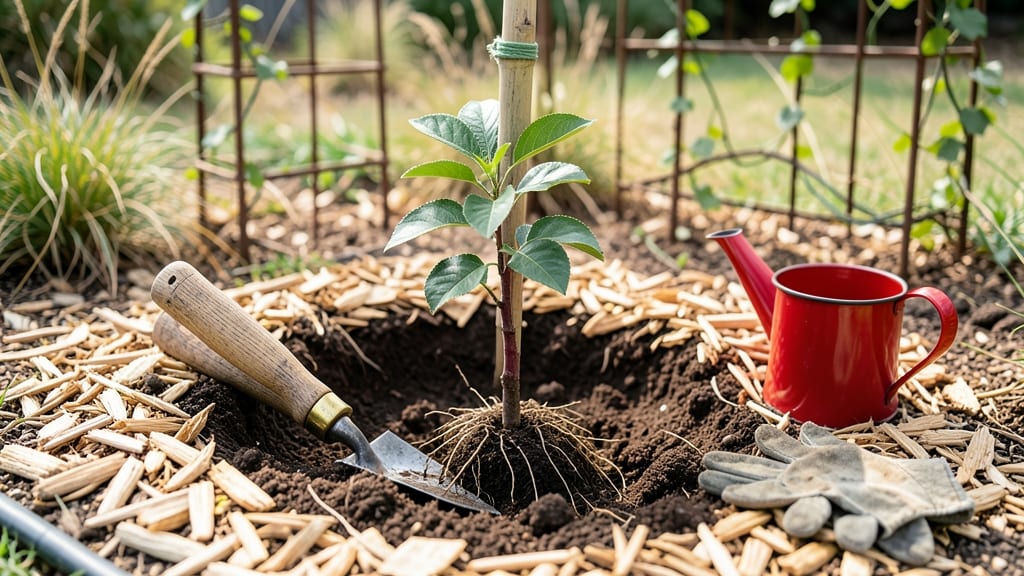
Timing your fruit trees 🍎 planting in South Australia wrong could mean the difference between a thriving orchard and years of frustration. With Zone 8a's unpredictable frost patterns and diverse microclimates, getting the window right is everything.
Most gardeners assume spring is the only option, but the best time actually depends on whether you're planting bare-root saplings or container-grown trees.
In Adelaide's cooler inland areas, late winter (August) gives roots time to establish before summer heat arrives, while coastal regions like Eyre Peninsula can wait until early spring (September).
What you'll discover here is how to match your tree species to the perfect planting window—whether you're growing chill-sensitive citrus or high-chill apples. We'll break down the science behind frost-free dates and soil temperatures that make or break your fruit tree's first year.
From drought-resistant planting techniques to the best rootstocks for sandy soils, this guide gives you the local expertise you need to plant with confidence. Let's get those fruit trees 🍎 growing like they're meant to in South Australia's challenging climate.
South Australia’s 6 climate zones & best planting months for fruit trees
South Australia’s diverse climate zones range from cool temperate in the Adelaide Hills to arid inland regions like the Eyre Peninsula. Each zone demands different planting strategies—getting it wrong can delay fruit production by years.
I’ll break down the ideal planting windows for each zone, so you can match your tree species to your local conditions for maximum success.
For coastal regions like Adelaide and the Fleurieu Peninsula, late winter to early spring (August-September) is perfect. These areas experience mild winters and low frost risk, allowing trees to establish roots before summer heat.
In contrast, inland zones like the Riverland and Mid North need earlier planting (June-July) to avoid summer drought stress.
Adelaide Hills (Zone 8a) is ideal for stone fruits and apples, while Barossa Valley (Zone 8b) thrives with figs and peaches. The Eyre Peninsula, however, requires drought-tolerant varieties like citrus and olives. Let’s dive into the specifics so you can pick the right timing for your location.
| Climate Zone | Best Planting Months | Key Considerations | Top Fruit Trees |
|---|---|---|---|
| Adelaide Hills (Cool Temperate) | August-September | High frost risk; plant after last frost (mid-September). | Apples, Pears, Cherries |
| Adelaide Plains (Warm Temperate) | July-August | Moderate frost; avoid waterlogging in winter. | Peaches, Nectarines, Plums |
| Barossa Valley (Warm Continental) | June-July | Low chill hours; choose low-chill varieties. | Figs, Almonds, Apricots |
| Riverland (Arid) | May-June | Extreme summer heat; mulch heavily. | Citrus, Olives, Pomegranates |
| Eyre Peninsula (Coastal) | August-September | Salty winds; use windbreaks. | Mandarins, Quince, Mulberries |
| Mid North (Semi-Arid) | June-July | Low rainfall; drip irrigation essential. | Apricots, Cherries, Grapes |
If you’re in the Adelaide Hills, prioritize late winter planting (August-September) to avoid spring frosts that can damage young trees. The Adelaide Plains and Barossa Valley benefit from earlier planting (June-July) to take advantage of winter rains.
Meanwhile, arid zones like the Riverland need pre-summer preparation—plant in May-June and install drip irrigation immediately.
For coastal areas, the Fleurieu Peninsula and Eyre Peninsula can plant in August-September, but watch for salty winds. Use windbreaks or plant near fences to protect young trees. In semi-arid regions, like the Mid North, focus on water-efficient varieties and deep soil preparation to retain moisture.
One common mistake is planting stone fruits in low-chill zones like Barossa. These trees need 300+ chill hours—if your area gets only 200 hours, opt for low-chill varieties like ‘Suncrest’ nectarine or ‘Flamecrest’ peach. Always check your local chill-hour map before choosing varieties.
Pro tip: Bare-root trees should be planted in winter (June-August) when they’re dormant, while container-grown trees can be planted year-round. Just avoid extreme heat or frost periods. For container planting, use well-draining soil and larger pots (30+ liters) to prevent root stress.
Chill-hour requirements by fruit tree type: what South Australia can (and can’t) grow
South Australia’s warm climate means not all fruit trees thrive here—especially those needing high chill hours. Most regions (like Adelaide and the Riverland) average 300-500 chill hours, while cooler zones (Adelaide Hills) hit 700-900 hours.
This limits traditional apple or cherry varieties but opens doors for low-chill alternatives like citrus and figs.
For stone fruits (peaches, plums, nectarines), aim for varieties requiring 200-400 chill hours. In warmer areas, low-chill citrus (mandarins, lemons) flourish year-round, while figs and pomegranates need minimal chill. Let’s match your tree to your zone for success!
If you’re in Adelaide or the Riverland, focus on low-chill stone fruits or tropical varieties. The Adelaide Hills can handle apples and cherries, but even there, chill-hour mismatches lead to poor flowering. Always check the specific variety’s chill needs before buying!
For container growing, choose dwarf varieties of low-chill trees (like ‘Improved Meyer Lemon’) to maximize space in urban areas. Containers also let you move trees to warmer microclimates during cold snaps, extending their growing season.
Pro tip: Use a chill-hour calculator (available from SA nurseries) to confirm your local chill hours. Many online tools let you input your suburb for precise data—critical for avoiding costly mistakes with high-chill trees in warm zones.