
Plants
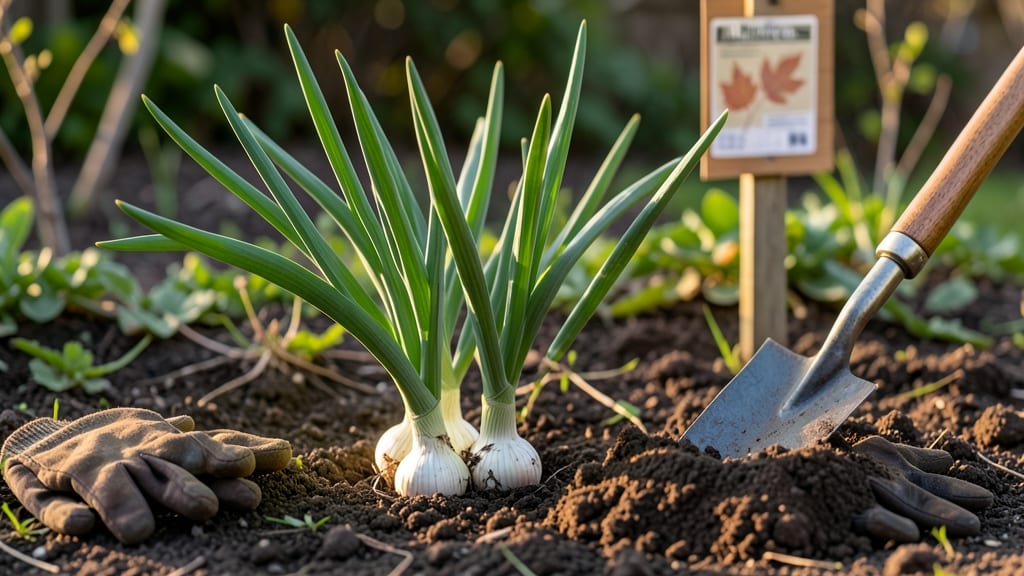
Timing your 🧄 garlic planting in Denver isn’t just about the calendar—it’s about catching that sweet spot between Denver’s first frost and the ground freezing solid. Plant too early, and you risk bolting; too late, and your harvest shrinks.
The secret to plump, restaurant-quality bulbs lies in those crisp fall weeks when the air turns cool but the soil stays workable.
Denver’s USDA Zone 6a climate gives you a narrow window—typically between mid-October and early November—to plant garlic for a perfect harvest the following summer. This isn’t just guesswork; it’s about aligning with nature’s rhythm, where cold stratification kickstarts root growth while protecting cloves from winter’s harshest freeze.
If you’ve ever wondered why some gardeners swear by planting in late October while others insist on November, the answer lies in Denver’s microclimates. Whether you’re in a suburban backyard or a high-elevation plot, the key is adapting to your specific frost dates and soil conditions.
Let’s break down exactly what that means for your garden.
Ready to grow garlic that rivals what you’d find at a farmers' market? I’ll walk you through the exact steps—from selecting the right variety to preparing your soil—so you can confidently plant garlic in Denver and harvest bulbs that are bigger, firmer, and fuller of flavor than ever before.
Denver garlic planting calendar: exact fall dates for zero-bolt success
Denver’s USDA Zone 5b climate demands precision when planting garlic—fall timing is critical to avoid bolting (premature flowering) while ensuring bulbs mature properly. The ideal window spans mid-October to early November, aligning with Denver’s 40°F soil temperature threshold and 4-6 weeks before ground freeze (typically mid-October).
Planting too early (September) risks bolting from warm soil, while late planting (December) shrinks bulb size due to insufficient root development before winter dormancy. Denver’s elevation (5,280+ ft) accelerates temperature drops, so adjust your schedule if your area experiences early freezes.
Cold stratification—exposing cloves to consistent 40°F temperatures—triggers bulb formation. Denver’s winters naturally provide this, but mulching with 4–6 inches of straw after planting mimics ideal conditions. Aim for 120–150 chill hours (Denver easily exceeds this).
Key dates for Denver:
- Early planting: October 1–15 (best for rural areas with later freezes)
- Standard planting: October 16–31 (ideal for suburban Denver)
- Late planting: November 1–10 (riskier; bulbs may be smaller)
| Stage | Action | Denver-Specific Notes |
|---|---|---|
| Soil Prep | Test pH (6.0–7.0), amend with compost | Denver’s alkaline soil? Add sulfur to lower pH. |
| Planting Window | Mid-October to early November | Adjust 1–2 weeks earlier for high-elevation areas. |
| Soil Temp | 40°F (4°C) or below | Use a soil thermometer; Denver drops below this by late October. |
| Mulching | 4–6 inches of straw | Prevents freeze-thaw cycles that damage cloves. |
| Frost Protection | Row covers for early freezes | Urban areas may need covers if temps drop below 20°F. |
Denver’s microclimates can shift your ideal window by 1–2 weeks. For example, rural areas (like Castle Rock) may safely plant until early November, while urban heat islands (e.g., downtown) might need an earlier start. Monitor local frost forecasts—Denver’s average first frost is October 15, but this varies yearly.
Hardneck varieties (like ‘German White’) thrive in Denver’s climate, while softneck types (e.g., ‘Silverskin’) struggle with our cold winters. Prioritize hardnecks for larger bulbs and scapes. Plant 2 inches deep, with 4–6 inches between cloves, in well-draining soil to prevent rot during Denver’s wet springs.
If you miss the fall window, spring planting is possible (March–April) but yields smaller bulbs due to insufficient chill hours. Use row covers to extend the season if planting late fall or early spring. Always choose organic, untreated garlic from seed catalogs—store-bought garlic often won’t sprout.
Pro tip: Mark your planting date and count back 240–270 days to estimate harvest time (June–July). Denver’s short growing season means timing is everything—don’t wait until December, or your harvest will disappoint.
Denver garlic planting calendar: exact fall dates for zero-bolt success
Denver’s USDA Zone 6a climate demands precision when planting garlic—your window is narrow but critical. The ideal time is between mid-October and early November, when soil temperatures hover between 40°F and 50°F.
This aligns with Denver’s first frost (typically around October 15) and ensures cloves undergo cold stratification, a process that jumpstarts root growth before winter dormancy.
Why this timing? Garlic needs 60–90 days of cold to form strong bulbs. Planting too early (like September) risks premature bolting—when garlic flowers instead of bulbing. Too late (after November), and cloves may not establish roots before the ground freezes solid, leading to shriveled harvests.
Think of it as a race against Denver’s first hard freeze (usually late November).
🌱 Pro Tip: Check your local Almanac frost dates—Denver’s can vary yearly. Aim to plant 4–6 weeks before the ground freezes. For example, if your first hard freeze hits November 20, plant by October 25.
📅 Denver Garlic Planting Timeline
| Stage | Action | Soil Temp |
|---|---|---|
| Mid-October | Plant cloves 2" deep, 4–6" apart | 40–50°F |
| Late October–November | Mulch heavily (4–6" straw) | 32–40°F |
| Winter (Dec–Feb) | Dormant; protect from rodents | Below freezing |
| Spring (March–April) | Remove mulch; watch for shoots | 40–50°F |
| Summer (June–July) | Harvest when lower leaves brown | 60–80°F |
Denver’s elevation (5,280+ ft) accelerates temperature drops, so adjust if you’re in higher areas (like Golden or Boulder). Plant 1–2 weeks earlier to account for faster freezing. Conversely, urban areas like Capitol Hill may stay slightly warmer—monitor soil temps with a soil thermometer.
For hardneck varieties (like ‘German White’), which are best for Denver’s climate, the ideal planting date is October 15–November 1. Softneck varieties can tolerate slightly later planting but risk smaller bulbs. Mark your calendar now—Denver’s garlic season starts in the fall!
Missed the fall window? Don’t panic. You can plant garlic in early spring (March), but bulbs will be smaller and less flavorful. The key is cold stratification, and fall planting gives you the edge for plump, zero-bolt garlic next summer. 🌿