
Plants
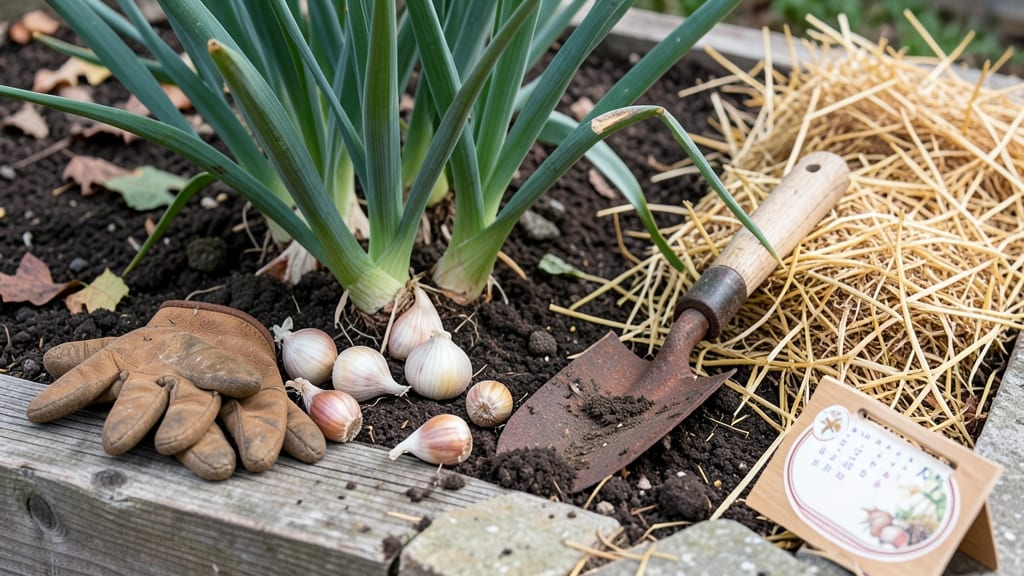
Timing your garlic planting in Pennsylvania isn’t just about the calendar—it’s about avoiding bitter, bolted bulbs and maximizing your harvest. Whether you’re growing hardneck or softneck varieties, getting it right means the difference between a thriving crop and wasted effort.
In Pennsylvania’s USDA zones 5b-7a, the sweet spot for planting is mid-October to early November for fall or early March for spring. But here’s the catch: hardnecks need cold stratification to form bulbs, while softnecks are more forgiving.
Skip the wrong timing, and you’ll end up with garlic that flowers too soon—or worse, never matures at all.
I’ve grown garlic in Pennsylvania for years, and I’ll show you exactly how to align your planting with frost dates, soil temps, and variety needs.
By the end, you’ll know whether to plant in fall or spring, which varieties thrive in your zone, and how to keep your crop from bolting before harvest.
Ready to grow garlic that’s bold in flavor and plentiful in yield? Let’s dive into the perfect planting schedule for your Pennsylvania garden.
Best planting months for garlic in Pennsylvania: hardneck vs softneck breakdown
Pennsylvania’s USDA zones 5b-7a create a unique challenge for garlic growers. The fall planting window (October-November) is ideal for hardneck varieties, while softneck garlic can tolerate slightly earlier planting (September-October).
The key is planting 4-6 weeks before your first hard frost, which varies from early October in zone 7a to mid-November in zone 5b.
Hardneck varieties like 'Music' or 'German White' need cold stratification (40-50°F soil temps) to form bulbs properly. Planting too late risks bolting—when garlic flowers prematurely, producing bitter-tasting bulbs. Softnecks, like 'Silverwhite', are more flexible but still benefit from fall planting for larger yields.
Microclimates matter! Philadelphia’s coastal influence delays first frosts by 1-2 weeks compared to Pittsburgh’s inland zones. Use your local Almanac’s frost dates as a guide, then adjust for your garden’s exposure.
A south-facing bed warms faster in spring, which can accelerate growth—but also increases bolting risks if temps spike early.
Spring planting (March) is possible but risky in Pennsylvania. Garlic planted in spring often bolts before bulbs mature due to the region’s unpredictable spring warmth. If you must try it, use shade cloth to delay soil warming and choose softneck varieties, which are slightly more forgiving.
Here’s how Pennsylvania’s microclimates affect your planting timeline:
| Region | USDA Zone | Ideal Planting Window | Key Consideration |
|---|---|---|---|
| Philadelphia | 6a-7a | Mid-October to early November | Coastal delays frost; softnecks thrive |
| Pittsburgh | 5b-6a | Late October to early November | Inland freezes earlier; hardnecks preferred |
| Erie | 5b-6b | Early October to mid-November | Lake-effect snow; mulch heavily |
| State College | 6a | Late September to early November | Transition zone; test soil temps |
For hardneck garlic, aim to plant when daytime temps are consistently below 70°F but soil hasn’t frozen. Use a soil thermometer to confirm temps between 40-50°F—this cold period triggers bulb formation. In Pennsylvania, this usually aligns with late October for most regions.
Softnecks, like 'Artichoke', can handle slightly warmer soils but still need 6-8 weeks before winter dormancy. If you’re in zone 7a, you might squeeze in a September planting, but avoid planting after October 15—the bulbs won’t have enough time to establish before frost.
Pro tip: Break apart garlic bulbs into individual cloves and plant the largest cloves for bigger harvests. Point the root end down (it’s slightly flattened) and cover with 2 inches of soil. Space cloves 4-6 inches apart in rows 12 inches apart to allow airflow and reduce disease risk.
After planting, mulch with straw (4-6 inches thick) to insulate bulbs through winter. This protects against freeze-thaw cycles and keeps soil temps stable. Remove mulch in early spring (March) to allow soil to warm for regrowth.
Remember: Pennsylvania’s unpredictable springs are the real test. Even with perfect fall planting, a warm March can trigger bolting. We’ll cover spring bolting prevention in the next section—stay tuned!
How to avoid bolting in Pennsylvania’s unpredictable spring weather
Pennsylvania’s spring weather is famously unpredictable—one day warm enough to plant garlic, the next a surprise frost. This volatility is the #1 reason garlic bolts prematurely, turning your flavorful bulbs into bitter, seed-filled stalks. The key to avoiding this is soil temperature control and strategic planting timing.
Garlic needs 40-50°F soil temperatures to grow properly. If spring warms too quickly, your cloves may sprout early and bolt before forming bulbs. In Pennsylvania’s USDA zones 5b-7a, this means planting fall garlic by mid-October ensures it gets the cold stratification it needs before spring.
I’ve learned the hard way that spring-planted garlic in Pennsylvania often bolts because the ground warms too fast. If you must plant in spring, aim for early March and use mulch heavily to keep soil cool.
A 4-inch layer of straw can delay warming by 2-3 weeks, giving your garlic time to establish roots before spring’s heat sets in.
🚨
⚠️ WARNING: BOLTING TRIGGERS
- Soil temps above 50°F → Early sprouting → Bolting risk
- Long daylight hours (14+ hours) → Triggers flowering
- Thin soil coverage → Uneven growth → Weak bulbs
For hardneck varieties, which are the best choice for Pennsylvania, cold stratification is non-negotiable. Planting in fall (October-November) ensures your garlic experiences the 4-6 weeks of cold it needs to form bulbs properly.
If you’re in zone 7a (southern PA), where winters are milder, plant by early October to avoid early spring warmth.
Even with perfect timing, soil preparation makes all the difference. Amend your soil with compost and aged manure before planting to improve drainage and fertility. Garlic hates soggy soil—waterlogged cloves rot and never form bulbs.
If your garden sits in a low spot, consider raised beds for better control over moisture and temperature.
Finally, choose bolt-resistant varieties like ‘German White’ or ‘Chesnok Red’ for hardnecks. These perform best in Pennsylvania’s climate and are less likely to bolt prematurely. Pair this with consistent mulching (straw or leaves), and you’ll have garlic that’s bold in flavor and plump in size by harvest time.