
Plants
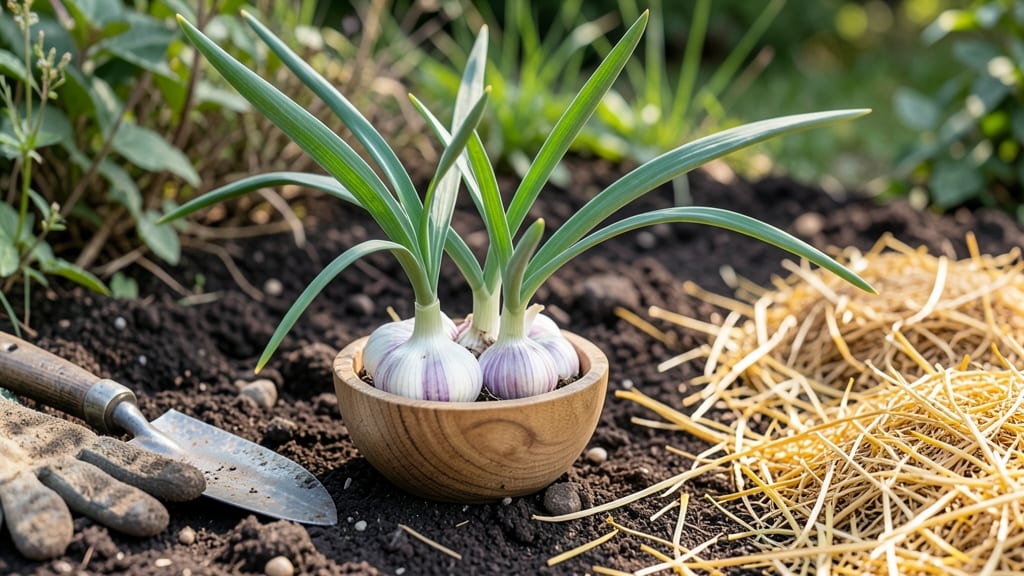
If you've ever wondered when to plant garlic in South Louisiana, the answer isn't just about timing—it's about working with the region's unique challenges.
The humid winters and hot summers here demand a different approach than traditional garlic-growing zones, but with the right strategy, you can still grow bold, flavorful bulbs that thrive in your climate.
Most gardeners know garlic loves cool weather, but in USDA zones 8b-9a, the key is planting early enough to establish roots before the ground cools too much.
That means getting those cloves in the soil between October and November, when temperatures hover around 60-70°F—perfect for root growth without inviting rot in the damp air.
Why does timing matter so much here? Because Louisiana's mild winters and high humidity can turn garlic planting into a gamble if you're not careful. Plant too late, and your cloves might rot before they sprout.
Too early, and they could bolt or struggle to survive the summer heat. The sweet spot is 4-6 weeks before your first frost, which in South Louisiana usually lands around mid-December.
Once you nail the timing, the rest—like choosing the right humidity-resistant varieties and preparing your soil—becomes much easier.
I'll walk you through exactly how to set yourself up for a successful harvest next April or May, so you can enjoy homegrown garlic that's every bit as bold as what you'd find in a grocery store.
Best planting times for garlic in South Louisiana’s humid climate
South Louisiana’s humid winters and hot summers create unique challenges for garlic growers. Unlike northern climates, our mild winters (USDA Zones 8b-9a) require precise timing to avoid heat stress or premature sprouting.
The key is planting when soil temps drop to 60-70°F—typically October to early November—but before hurricane season disrupts growth.
Garlic thrives on cool-season growth, so planting too early (like September) risks overly vigorous spring growth that flops in summer heat. Conversely, waiting until December may leave bulbs underdeveloped before spring warmth arrives.
The 4-6 week window before your area’s first frost (usually mid-December in Louisiana) is ideal for hardneck varieties, while softneck garlic can stretch to early December.
Here’s how Louisiana’s climate affects timing:
| Factor | Hardneck Garlic | Softneck Garlic |
|---|---|---|
| Best Planting Window | October 1–November 15 | October 15–December 1 |
| Soil Temp Threshold | 60–70°F | 60–75°F |
| Hurricane Risk | Avoid September | Avoid late Oct–Nov |
| Harvest Window | April–May | May–June |
| Key Adaptation | Cold-hardy scapes | Heat-tolerant bulbs |
For hardneck varieties (like 'Silverskin'), aim for October planting to ensure scapes mature before summer heat. Softnecks (e.g., 'Creole') can handle later plantings but risk smaller bulbs if sown after November 15.
Always check your local Cooperative Extension Service for frost dates—some years, like 2023, saw unusually warm Decembers, pushing ideal windows later.
Pro tip: Use a soil thermometer to confirm temps. Louisiana’s sandy soils heat up faster than clay, so plant 2–3 weeks earlier in areas like Lafayette compared to New Orleans’ cooler microclimates. Mulch with straw or pine needles (2–3 inches) immediately after planting to insulate bulbs from temperature swings.
If you miss the fall window, spring planting is possible but risky—bulbs may bolt prematurely. For a second harvest, try early September plantings of heat-tolerant varieties like 'Music', though yields will be smaller.
Prioritize well-draining soil to prevent rot in humidity, and avoid planting where garlic grew the prior year to reduce disease pressure.
Remember: Louisiana’s long growing season means garlic can take 10–12 months to mature. Start with large, firm cloves (save your best from last year’s harvest!) and plant 2 inches deep, 4 inches apart, in full sun.
With the right timing, you’ll harvest bold, pungent bulbs just as summer’s heat ramps up—perfect for grilling season!
🌱
Best planting times for garlic in South Louisiana’s humid climate
South Louisiana’s mild winters and humid summers create a unique challenge for garlic growers. Unlike northern climates, you can’t rely on traditional fall planting alone—timing is everything to avoid heat stress or early bolting. The key is planting when soil temps drop to 60–70°F but before freezing temperatures arrive.
Most gardeners in USDA Zones 8b–9a (like New Orleans, Baton Rouge, or Lafayette) aim for October–November plantings. This window gives garlic enough time to establish roots before winter’s chill sets in.
However, early September plantings can work in cooler microclimates if you’re prepared to protect young plants from hurricane risks or unexpected heat spikes.
Hardneck garlic, like 'Music' or 'German Red', thrives when planted in late October—this gives it enough cold exposure to form scape stems (the curly shoots) while avoiding spring bolting.
Softneck varieties, such as 'Silverskin', are more forgiving and can handle early November plantings, though they may take longer to mature.
Avoid planting garlic in January or later—the bulbs won’t have enough time to develop before Louisiana’s spring heat arrives. If you miss the fall window, consider container gardening with heat-tolerant varieties like 'Creole', which can handle warmer soil temps better than traditional types.
Pro tip: Use a soil thermometer to confirm temps before planting. If soil stays above 70°F for more than a week, delay planting or opt for shade cloth to protect young cloves. Mulching with straw or pine needles helps regulate temperature swings, a must in Louisiana’s unpredictable winters.
Timing isn’t just about months—it’s about microclimates. Coastal areas like Grand Isle may need earlier plantings (September) to escape summer heat, while inland zones like Alexandria can wait until mid-November. Always check your local Cooperative Extension Service for frost date updates.