
Plants
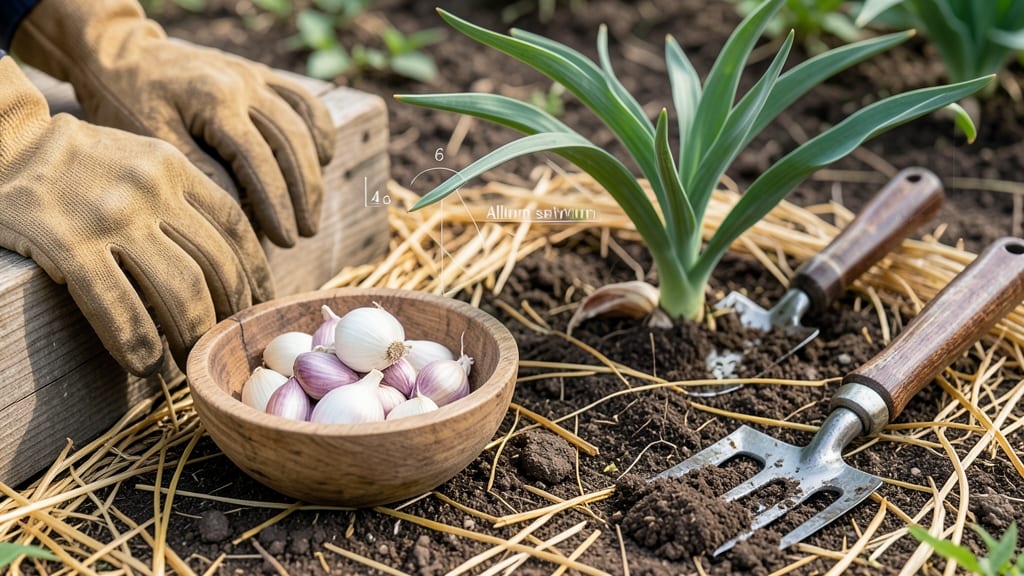
Planting garlic at the wrong time in Zone 5a can turn your hard work into disappointment—especially if you end up with bolting bulbs instead of plump harvests. The key to success lies in understanding your local frost dates and soil conditions, which create the perfect window for planting 🧄.
Fall is the ideal season for planting garlic in Zone 5a, but timing matters more than you might think. Planting too early risks frost damage, while waiting too long can lead to weak growth.
I’ll break down the exact 6-week window before the ground freezes and how to adjust for unpredictable weather.
You’ll also discover which garlic varieties thrive best in your climate, how to prepare your soil for maximum growth, and when to expect your harvest. With these strategies, you’ll avoid common mistakes and enjoy a bountiful crop of flavorful garlic.
Let’s dive into the climate-proof schedule that guarantees your garlic will grow strong, resist bolting, and reward you with a harvest mid-summer. Ready to get started?

Optimal planting windows for garlic in Zone 5a (with frost timing)
In Zone 5a, timing your garlic planting is everything. The ideal window is between mid-October and mid-November, giving the bulbs time to root before winter sets in. This ensures strong growth and prevents bolting—when garlic flowers prematurely and produces small, bitter bulbs.
For hardneck varieties, this timing is non-negotiable, as they need cold exposure to form bulbs.
Garlic thrives when planted in cool soil temperatures (around 40-50°F). In Zone 5a, soil temps drop below this by late November, so planting after that risks poor root establishment.
If you miss the fall window, your only option is early spring planting (March), but yields will be smaller and bolting more likely.
Here’s the golden rule: Plant garlic 4-6 weeks before the ground freezes. In most of Zone 5a, this means aiming for October 15–November 15. Check your local last frost date (typically November 15 in Zone 5a) and count backward to plan.
For softneck varieties, which store longer but need milder winters, you can push the window slightly later—even into December—but hardnecks (like Rocky Mountain or Music) demand earlier planting.
The trade-off? Hardnecks produce scape shoots (edible flower stems) and larger cloves, while softnecks store better but are less cold-hardy.
📋 Zone 5a Garlic Planting Timeline
| Stage | Action | Notes |
|---|---|---|
| Mid-October | Plant hardneck garlic | Soil temp: 40–50°F |
| Late November | Plant softneck garlic | Last chance before freeze |
| March | Emergency spring planting | Lower yields, higher bolting risk |
| July–August | Harvest garlic | Lower leaves brown, bulbs firm |
🌱 Pro Tip: Use a soil thermometer to confirm temps before planting.
If you’re planting in containers, adjust the timeline slightly—pots warm up faster in spring. Aim for late September to early October to match ground planting. Containers also let you move garlic to a sheltered spot if early frosts threaten, giving roots extra protection.
One common mistake? Planting garlic too early in Zone 5a. If you plant in September, the cloves may sprout too soon and get damaged by early frosts. The goal is for roots to establish but leaves to stay dormant until spring.
Think of it like tucking your garlic in for a long winter nap—just enough activity to survive, but not enough to grow.
For organic gardeners, add compost or well-rotted manure to the soil before planting. Garlic is a light feeder, but a nutrient boost in fall ensures it has energy to break dormancy in spring.
Avoid fresh manure—it can burn cloves and attract pests. Instead, opt for a balanced fertilizer (5-10-10) applied lightly at planting time.
Finally, mulch heavily after planting. Use straw or leaves (6–8 inches) to insulate the soil and prevent freeze-thaw cycles that can heave bulbs out of the ground. This is especially critical in Zone 5a, where winters can fluctuate wildly. Mulch also suppresses weeds, reducing competition for nutrients.
Remember: Garlic planted in fall in Zone 5a will reward you with larger bulbs and fewer pests than spring-planted garlic. The key is patience—let nature handle the cold work while you focus on soil prep and mulching. With the right timing, you’ll harvest plump, flavorful garlic by mid-summer. 🌱
Optimal planting windows for garlic in Zone 5a (with frost timing)
In Zone 5a, garlic thrives when planted during a precise 6-week window before the ground freezes—typically between mid-October and mid-November. This timing allows cloves to establish roots before winter dormancy while avoiding early frost damage.
For hardneck varieties, this window is even more critical, as they need cold exposure to form bulbs.
Your last frost date in Zone 5a usually falls around November 15, so aim to plant garlic 4-6 weeks before then. This means starting in early October for a late-November freeze or pushing to mid-November if your area has delayed cold snaps.
Softneck varieties are slightly more flexible but still benefit from early planting.
Soil temperature is your best indicator—plant when it drops to 40-50°F. Use a soil thermometer or check local weather trends to avoid planting too early, which can lead to rot or too late, resulting in weak growth.
I always test my soil a few days before planting to confirm it’s ready.
| Planting Window | Ideal Soil Temp | Frost Timing | Variety Fit |
|---|---|---|---|
| Mid-October to early November | 40-50°F | 4-6 weeks before last frost | Hardneck (best), Softneck |
| Late November (emergency) | 35-40°F | 2-3 weeks before last frost | Softneck only |
| Early spring (April) | 45-50°F | After last frost | Softneck only (smaller bulbs) |
🌱 Key: Hardneck varieties require cold exposure for bulb formation.
If you miss the fall window, you can still plant garlic in early spring, but expect smaller bulbs. Spring-planted garlic (after the last frost) grows quickly but lacks the cold stratification needed for hardneck varieties to form properly.
I’ve tried this method, and while it works for softnecks, hardnecks often disappoint.
For Zone 5a, prioritize fall planting—it’s the only way to guarantee large, flavorful bulbs. Mark your calendar for October 15 as your deadline, and adjust based on your local frost history.
Over the years, I’ve found that planting in the first half of October yields the best results in my area.
Pro tip: Use a mulch layer of straw or leaves after planting to insulate the soil and protect cloves from temperature swings. This extra step can extend your planting window by 1-2 weeks if early frosts threaten. Just