
Plants
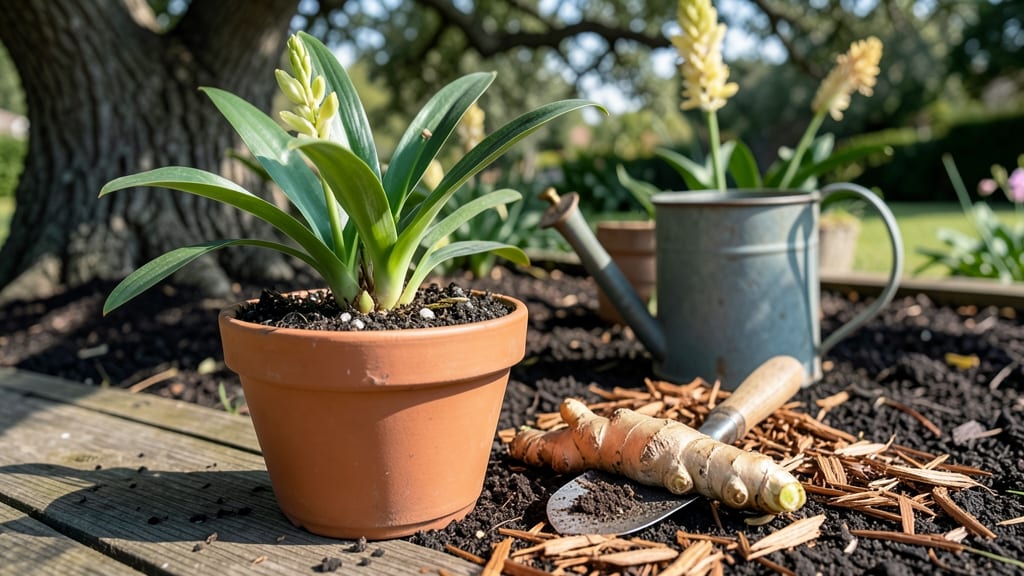
Planting ginger in California might seem tricky with its varied climates, but getting the timing right unlocks a bountiful harvest of fragrant rhizomes. Unlike its tropical roots, ginger thrives here when soil warmth triggers growth—meaning coastal areas can plant year-round, while inland zones need precise timing to avoid frost.
The key is understanding your microclimate: coastal gardeners in zones 10a-11 can start as early as September, while inland growers in 9a-9b should wait until February or March.
Why does timing matter so much? Ginger rhizomes need soil temperatures above 60°F to sprout, and California’s diverse frost dates—from December in coastal areas to March inland—can make or break your crop. Planting too early risks cold damage, while waiting too long may delay your harvest by a full season.
I’ll break down the best months for your specific region, so you can align your planting with nature’s rhythm and avoid common pitfalls.
Whether you’re a coastal gardener with mild winters or an inland grower facing frost, this guide will help you choose the perfect window. You’ll learn how to test soil warmth, select the right ginger varieties for your zone, and even adapt container gardening for urban spaces.
Let’s dive into the exact steps to maximize your ginger’s potential in California’s unique growing conditions.
From fall-planted rhizomes ready by August in coastal areas to spring starts harvesting by June inland, the right timing ensures your ginger grows strong and flavorful. Ready to grow your own? Let’s get started with the most efficient planting schedule for your location.
Best planting months for California ginger based on microclimates
California’s diverse climate means ginger planting times vary dramatically from coastal San Diego to inland Sacramento. Unlike tropical ginger’s origins, California’s soil temperature thresholds (minimum 60°F) and frost risks dictate precise timing. I’ve broken it down by region to help you avoid frost damage while maximizing rhizome growth.
For coastal California (USDA Zones 10a-11), like Los Angeles or Santa Barbara, ginger thrives year-round with fall (September-November) and winter (December-February) being ideal. These months provide consistent warmth (65-75°F soil) and minimal frost risk, allowing rhizomes to establish before summer’s heat.
Inland areas (Zones 9a-9b), such as Central Valley or Sacramento, must wait until late winter (February-March) when soil warms above 60°F and frost danger passes.
Here’s how to align your planting with California’s microclimates for zero-frost success:
If you’re in Southern California (Zone 11), you can plant ginger year-round, but fall planting (September-October) yields the largest rhizomes by harvest time.
The key is ensuring soil stays warm and moist—coastal areas benefit from afternoon shade to prevent wilting, while inland zones need heavy mulching to retain heat.
For Northern California (Zones 9b-10a), like the Bay Area, aim for spring (March-April) or fall (September-October) planting. Spring-planted ginger avoids late-winter frosts, while fall planting takes advantage of cooler temperatures and consistent rainfall.
In both cases, wait until soil temperatures consistently exceed 62°F—use a soil thermometer to confirm.
Pro tip: Urban gardeners in containers can plant ginger in late winter (February) and move pots to shaded patios during summer heat. This mimics California’s coastal microclimate and extends the growing season by 3-4 months. Just ensure pots have drainage holes and use well-draining potting mix.
Avoid planting ginger in summer (June-August) for inland regions—soil temperatures often exceed 80°F, stressing rhizomes and reducing yield. Coastal areas can handle summer planting, but shade cloth (30-50%) is a must to prevent leaf scorch. Always prioritize soil warmth over air temperature—ginger roots need consistent warmth to grow.
One common mistake is planting too early in Northern California and risking frost damage. I’ve seen January plantings in the Bay Area fail when temperatures dip below 50°F. Instead, wait until mid-March when frost risk drops below 10%.
Use your local USDA frost calendar as a guide—most inland areas have their last frost by March 1.
For coastal gardeners, fall planting (September-November) is ideal because ginger grows slowly in cooler months, avoiding summer’s heat stress. The rhizomes mature just in time for harvest in August-October, when flavors peak.
In contrast, inland gardeners should plant in late winter (February-March) to align harvest with cooler summer months (June-August).
🌱
Best planting months for California ginger based on microclimates
California’s diverse climate means ginger planting times vary dramatically between coastal and inland regions. Coastal zones like San Francisco (USDA 10a-11) enjoy mild winters, while inland valleys like Sacramento (USDA 9a-9b) face frost risks until March. Timing your rhizome planting to soil temperatures above 60°F ensures strong growth.
For coastal California, the ideal window spans September through February. This aligns with natural rainfall patterns and avoids summer drought stress. In Southern California (e.g., LA, San Diego), you can even plant year-round thanks to consistent warmth.
Meanwhile, Northern California’s inland areas should wait until late February or March after the last frost date.
🌱 California Ginger Planting Guide by Region
| Region | Best Planting Months | Soil Temp Threshold | Frost Risk | Harvest Window |
|---|---|---|---|---|
| Coastal (SF, Santa Cruz) | Sep-Nov, Dec-Feb | 60°F+ | Low (Dec 15) | Aug-Oct |
| Southern CA (LA, SD) | Year-round | 65°F+ | None | Jun-Oct |
| Central Valley (Sacramento) | Feb-Mar | 60°F+ | High (Mar 1) | Jun-Aug |
| Desert (Palm Springs) | Sep-Oct | 70°F+ | None | Jul-Sep |
Pro tip: Use moon planting charts to align your September-October coastal plantings with the rooting moon phases (last quarter) for stronger rhizome development. Inland growers should prioritize February-March plantings to capitalize on spring rainfall and avoid summer heat stress.
If you miss the ideal window, don’t despair—ginger is forgiving. You can still plant in April-May for a smaller harvest, but provide extra shade and consistent watering to compensate for summer’s intensity. Just avoid planting in June-August inland, as soil temperatures often exceed 80°F, shocking tender rhizomes.
For urban gardeners in containers, extend your growing season by planting 6-8 weeks earlier than ground plantings. Pots warm up faster, so aim for soil temps of 65°F+ rather than 60°F. Use black plastic mulch to accelerate soil warming by 5-10°F in cooler regions like Northern California.
Remember: Harvest timing mirrors planting—coastal ginger planted in fall will be ready by August-October, while inland spring plantings harvest in June-August. Plan ahead to enjoy fresh ginger year-round! 🌱