
Plants
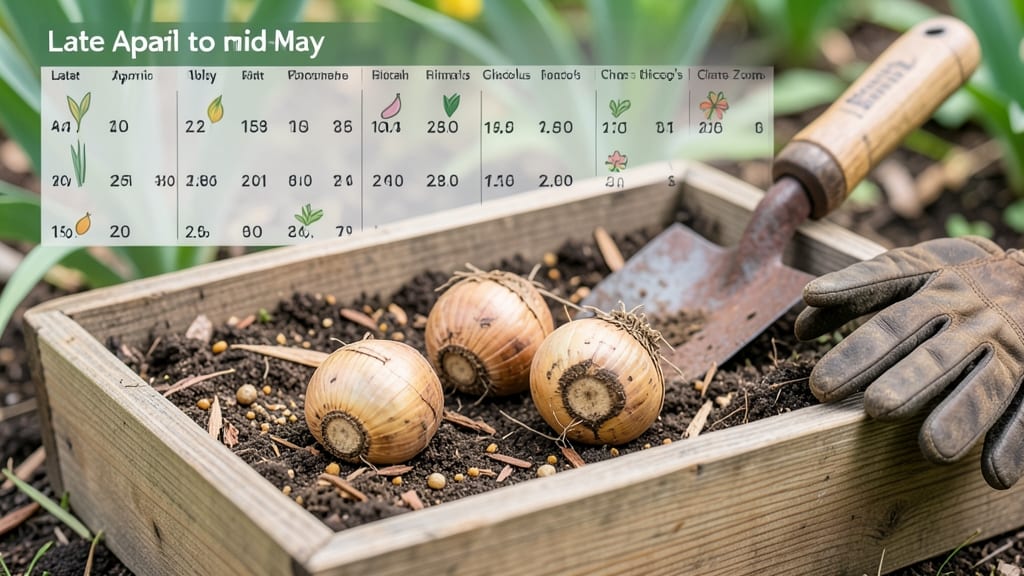
Planting gladiolus bulbs in Chicago isn’t just about grabbing a shovel—it’s about timing them perfectly to avoid those cruel late frosts or sweltering summers that can ruin your 🌸 blooms.
With USDA Zone 6a weather throwing curveballs, knowing when to plant could mean the difference between a garden showstopper and a sad, wilted disappointment.
Most Chicago gardeners wait until late April to mid-May, but why? Because those dates align with the last frost—typically around April 15—and give your bulbs enough time to root before the heat of summer.
But here’s the catch: not all gladiolus varieties handle Chicago’s humidity and heat the same way, and planting too early or late can leave you with stunted stems or no blooms at all.
I’ll break down the exact window you should aim for, how to prep your soil for success, and which varieties thrive in Chicago’s 6a climate—so you can plant with confidence and watch those dramatic spikes of color take over your garden by July.
Let’s get your gladiolus off to the best start possible.
Ready to dig in? We’ll also cover soil amendments, planting depth, and post-planting care to ensure your bulbs grow strong and your blooms last all summer long. No more guesswork—just a showstopping garden you can be proud of.
Chicago’s frost-free window for gladiolus planting: exact dates & soil prep tips
Timing your gladiolus bulb planting in Chicago hinges on two critical factors: average last frost dates and soil temperature thresholds.
Most years, Chicago’s last frost date falls between May 15–June 1, but suburban areas like Naperville or Arlington Heights often warm up 1–2 weeks earlier than the city core. Waiting until soil temperatures reach 60°F+ ensures healthy root development before summer heat arrives.
For city gardeners, urban heat islands can create microclimates where soil warms faster—test your garden with a soil thermometer before planting.
If you’re in doubt, err on the side of caution: gladiolus bulbs planted too early risk rot from lingering cold, while those planted too late may struggle to establish roots before Chicago’s humid summer heat peaks.
🌱
| Stage | Action | Chicago Timeline |
|---|---|---|
| Soil Prep | Amend clay-heavy soil with compost; ensure drainage to prevent rot. | March–April |
| Planting Window | Plant bulbs 4–6 inches deep, 4–6 inches apart after last frost. | Late April–Mid-May (City) / Early May (Suburbs) |
| Soil Temp Check | Wait until soil hits 60°F+ (use a thermometer). | Mid-May |
| Post-Planting Care | Water deeply weekly; fertilize with 10-10-10 every 4–6 weeks. | June–August |
Before you plant, amend Chicago’s notorious clay soil with organic matter like compost or aged manure. Gladiolus bulbs hate soggy roots, so avoid low-lying areas where water pools.
If your garden sits in full sun all day, consider adding a 2–3 inch mulch layer to retain moisture and regulate soil temperature—critical during Chicago’s hot, dry summers.
Pro tip: Succession planting works beautifully in Chicago. Stagger your bulbs in 2-week intervals from late April through early June to enjoy continuous blooms from July through September. This also spreads out your fertilizer and watering workload, making maintenance easier.
For container gardening, use pots with drainage holes and plant bulbs in well-draining potting mix. Containers warm up faster than garden beds, so you can plant 1–2 weeks earlier than in-ground. Just be prepared to move pots indoors if a late frost warning pops up—Chicago’s weather is unpredictable!
🌿
One common mistake Chicago gardeners make is planting too shallow. Gladiolus corms need 4–6 inches of soil coverage to anchor properly. If you’re unsure about depth, use your hand as a guide: the corm should sit 2–3 inches below soil level with the pointed end facing up.
Mark your rows with stakes or flags to avoid disturbing the bulbs during weeding.
Finally, keep an eye on your gladiolus foliage after planting. Healthy leaves should emerge within 2–3 weeks of soil warming. If growth stalls or leaves yellow, it could signal overwatering, poor drainage, or fungal issues—all common in Chicago’s humid climate. Adjust your watering routine immediately to prevent further stress.
☀️
Gladiolus variety heat tolerance guide: early vs. late bloomers for Chicago’s climate
Chicago’s summer heat can be brutal on gladiolus bulbs, especially if you choose varieties that aren’t built for our USDA Zone 6a climate. Some varieties wilt under 90°F+ temperatures, while others thrive and keep blooming until September.
The key is matching your gladiolus variety to your planting timeline and heat tolerance needs.
Early bloomers like ‘White Friendship’ or ‘Picasso’ are perfect if you plant in late April—they’ll flower by July before the worst heat hits.
But if you’re planting in early May, opt for heat-tolerant varieties like ‘Green Star’ or ‘Black Star’, which can handle Chicago’s humidity and still produce stunning blooms.
Succession planting is your secret weapon in Chicago. By staggering plantings every 2-3 weeks from late April to early June, you can enjoy continuous blooms from July through September. This works especially well for heat-tolerant varieties, which won’t bolt in the heat like their sensitive cousins.
🌡️ Heat Tolerance Rating
| Variety | Heat Tolerance | Best Planting Window | Bloom Time |
|---|---|---|---|
| ‘White Friendship’ | 6/10 | Late April | July |
| ‘Picasso’ | 5/10 | Late April–Early May | July–Early August |
| ‘Green Star’ | 8/10 | Early May–Mid-May | August–September |
| ‘Black Star’ | 9/10 | Mid-May–Early June | Late August–September |
If you’re unsure about your gladiolus variety’s heat tolerance, check the seed packet or do a quick online search. Some nurseries even label varieties as “heat-tolerant” or “early bloomer”.
For example, ‘Green Star’ is a fan favorite in Chicago because it handles our humid summers like a champ and keeps blooming until frost.
Pro tip: If you’re planting in early May and worried about heat stress, choose darker-colored varieties like ‘Black Star’ or ‘Night Star’. Darker petals absorb less heat, helping the plant stay cooler during peak summer days. Pair them with morning watering to keep roots hydrated and roots cool.
Don’t forget to mulch around your gladiolus plants once they’re established. A 2-inch layer of mulch helps retain moisture, regulates soil temperature, and keeps those roots happy—even when Chicago’s summer heat tries to take over.
With the right variety and care, your gladiolus will reward you with dramatic, long-lasting blooms all season long.