
Plants
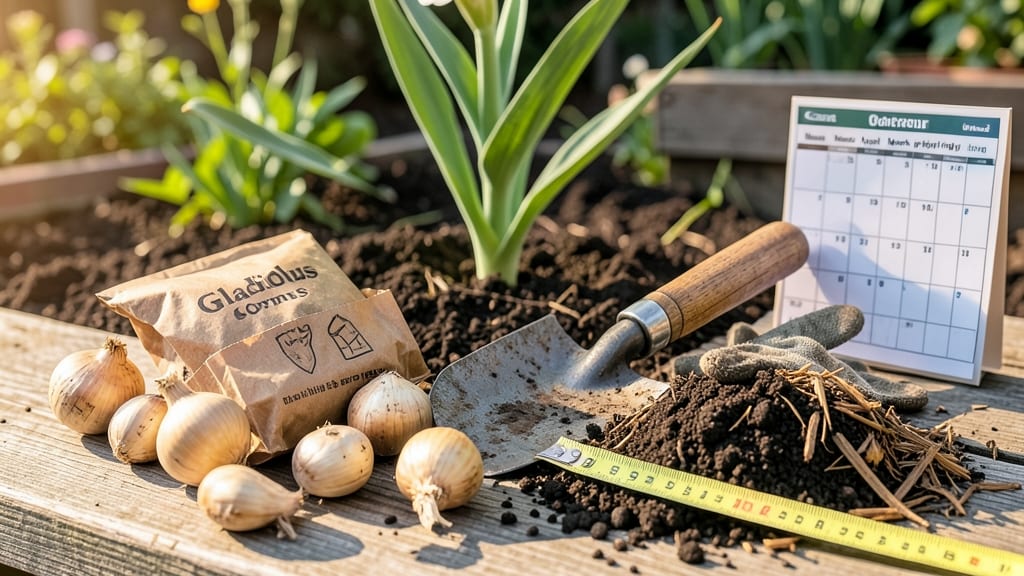
Timing when to plant gladiolus bulbs in Oklahoma just right could mean the difference between show-stopping summer blooms and wilted disappointment. With Oklahoma’s USDA zones 6b-7a and unpredictable spring weather, planting too early risks frost damage, while waiting too long might leave you scrambling before summer heat sets in.
Most gardeners in Oklahoma swear by planting mid-to-late spring—after the last frost around March 15—or early fall, about 4-6 weeks before November’s first frost.
But here’s the catch: Oklahoma’s heat zones mean your timing should vary slightly depending on whether you’re in the cooler north near Oklahoma City or the warmer south around Tulsa.
I’ll break down the exact planting windows for your region, plus soil prep secrets to help your Gladiolus thrive despite Oklahoma’s humidity and summer heat. No more guessing—just bold, vibrant blooms that last from late summer straight through fall.
Ready to transform your garden? Let’s dive into the foolproof schedule that works for Oklahoma’s unique climate, so you can enjoy those towering 🌺 spikes from August through October without a hitch.
Oklahoma heat zone map: best planting windows by region
Oklahoma’s USDA hardiness zones 6b-8a create distinct planting windows for gladiolus bulbs. Northern Oklahoma (like Oklahoma City) has a shorter growing season, while Southern Oklahoma (Tulsa area) enjoys longer summers. Timing is critical—plant too early, and bulbs rot; too late, and blooms suffer from heat stress.
For spring planting, aim for mid-March to early May after the last frost (typically around March 15). Fall planting works best in September-October, giving bulbs time to root before winter. Central Oklahoma (Stillwater) falls in between, with a 4-week window for both seasons.
Gladiolus bulbs thrive in Oklahoma’s heat but need well-draining soil to avoid rot. Clay-heavy soils in northern regions require amending with compost, while sandy soils in southern areas benefit from organic matter to retain moisture.
Here’s how Oklahoma’s regions break down for planting:
| Region | USDA Zone | Spring Planting Window | Fall Planting Window | Key Consideration |
|---|---|---|---|---|
| Northern (OKC) | 6b-7a | Late April-May | September-October | Watch for late frosts |
| Central (Stillwater) | 7a-7b | Mid-April-May | Late August-September | Longer heat exposure |
| Southern (Tulsa) | 7b-8a | March-April | August-September | Humidity increases rot risk |
In Northern Oklahoma, prioritize early-maturing varieties like 'Green Star' to avoid heat stress. Southern Oklahoma gardeners can push the envelope with late-season bloomers like 'Black Star,' but mulch heavily to retain moisture. Central Oklahoma offers flexibility—try both spring and fall plantings for extended blooms.
Always test your soil’s pH (6.0-7.0) before planting. Amend with compost if organic matter is low, and avoid waterlogged spots. Gladiolus bulbs need 6+ hours of sun daily, so choose a south-facing location for peak performance.
Pro tip: Mark your planting dates on a calendar! Oklahoma’s unpredictable spring rains can delay soil warming, so have a backup plan for container planting if ground stays soggy. Container gladiolus also works well for small spaces or rental gardens.
For fall planting, aim to finish by October 1 in most of Oklahoma. Bulbs need 4-6 weeks to establish roots before winter chill sets in. Mulch with straw after planting to insulate roots and prevent soil temperature swings.
Remember: Gladiolus bulbs are not winter-hardy in Oklahoma. Dig and store them after foliage dies back in late fall (November). Cure bulbs in a dry, dark place for 2 weeks before storing in paper bags at 50-60°F until next spring.
Step-by-step gladiolus planting guide for Oklahoma’s climate
Now that you’ve picked your planting window, let’s get into the nitty-gritty of preparing and planting gladiolus bulbs for Oklahoma’s unique climate. Gladiolus thrive in well-draining soil and full sun, but Oklahoma’s heat and humidity demand extra care to avoid common issues like rot or wilting.
Start by testing your soil’s pH (6.0-7.0)—Oklahoma’s clay-heavy soils in northern regions often need compost or sand for better drainage, while sandy soils in the south benefit from organic matter to retain moisture. Amend your soil 2-3 weeks before planting to give nutrients time to integrate.
- 1 Choose healthy bulbs: Select firm, plump gladiolus corms with no soft spots or mold. Size matters—larger corms yield taller, more robust plants.
- 2 Prep the soil: Loosen soil to 12 inches deep and mix in 2-3 inches of compost. Oklahoma’s clay soils? Add coarse sand for drainage.
- 3 Plant at the right depth: Bury corms 4-6 inches deep, with the pointy end up. Spacing is key—plant 6 inches apart in rows 12 inches apart for airflow.
- 4 Water thoroughly: After planting, deep-water to settle soil. Oklahoma’s heat dries soil fast—keep soil moist but not soggy for the first 2 weeks.
- 5 Mulch to retain moisture: Apply 2-3 inches of straw mulch to lock in moisture and regulate soil temperature. Avoid thick mulch—it can smother corms.
- 6 Fertilize lightly: Use a balanced 10-10-10 fertilizer when shoots are 4 inches tall. Avoid over-fertilizing—Oklahoma’s heat can burn foliage.
For container planting—ideal for small spaces or rental gardens—use pots with drainage holes and fill with a mix of potting soil and perlite. Plant one corm per 6-inch pot and place in full sun. Containers dry out faster, so water every 2-3 days in summer.
Watch for pests like thrips or fungal diseases in Oklahoma’s humidity. Remove spent blooms promptly to encourage more flowers, but leave foliage until it yellows—this feeds the corm for next year’s growth. Deadhead regularly to prevent seed pods from draining energy.
Pro tip: Stake tall varieties like 'Green Star' before they bloom to prevent wind damage from Oklahoma’s summer storms. Use bamboo stakes tied loosely with soft twine to avoid cutting stems. Gladiolus are heavy bloomers, and stakes keep them upright for show-stopping displays.