
Plants
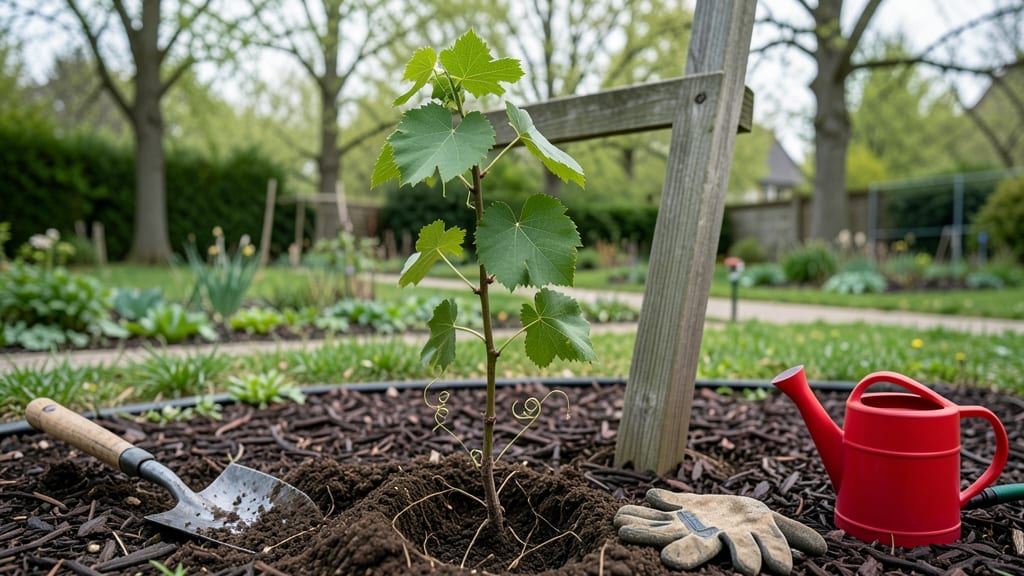
Timing is everything when it comes to planting grape vines in Texas—get it wrong, and your 🍇 could struggle to survive the brutal heat or harsh winters.
The key is planting during that sweet spot between late winter and early spring, when temperatures are mild enough for roots to establish but not so warm they’ll fry before harvest season.
Texas gardeners know the stakes: plant too early in North Texas’s chilly February, and frost could still nip your vines. Wait too long in South Texas’s sweltering March, and you risk heat stress before roots take hold.
The ideal window? Late February to early March for most of the Lone Star State—just after the last frost date in your specific zone.
But here’s the game-changer: container planting gives you a little more flexibility. If you’re in Central Texas where summers hit 100°F, you can even start vines in late winter and move them to the ground once soil warms up.
The secret? Well-draining soil, consistent watering, and a sturdy trellis to support those towering vines as they reach for the sky.
Ready to grow grapes that thrive in Texas heat? I’ll walk you through the exact steps—from choosing heat-resistant varieties to post-planting care—to ensure your grape vines not only survive but flourish year after year.
Best months to plant grape vines in Texas by region
Texas’ diverse climate zones mean grape vines thrive best when planted at different times depending on where you live. North Texas (USDA zones 7b-8a) has cooler winters, while Central Texas (8b-9a) faces scorching summers, and South Texas (9b-10b) battles humidity. Timing is critical—plant too early, and frost will damage young vines; too late, and they won’t establish roots before summer’s heat.
For North Texas, aim for late February to early March, after the last frost date (typically February 15).
This gives vines 4-6 weeks of cool weather to root before summer arrives. Central Texas gardeners should plant in mid-March to early April, avoiding the April heatwave that can stress young plants. South Texas has the longest window—late January to mid-February—to beat the summer’s relentless sun.
Here’s how Texas’ three regions differ in planting windows, frost risks, and ideal varieties:
| Region | USDA Zone | Best Planting Window | Last Frost Date | Heat-Resistant Variety |
|---|---|---|---|---|
| North Texas | 7b-8a | Late Feb - Early Mar | Feb 15 | Cynthiana (Norton) |
| Central Texas | 8b-9a | Mid-Mar - Early Apr | Mar 1 | Flame Seedless |
| South Texas | 9b-10b | Late Jan - Mid-Feb | Jan 15 | Muscadine |
If you miss the ideal window, fall planting (October-November) is a backup for North and Central Texas. However, avoid planting in summer—the heat will shock young roots. South Texas’s mild winters allow for a slightly extended window, but don’t push it past mid-February.
For container planting, adjust timing by 2-3 weeks earlier—containers heat up faster and dry out quicker. Bare-root vines (dormant) can handle cooler temps, while potted vines need warmer soil to avoid root rot. Always check soil temperature—it should be at least 60°F before planting.
Once planted, mulch heavily (3-4 inches of straw or wood chips) to retain moisture and regulate soil temperature. Drip irrigation is a game-changer in Texas—it delivers water directly to roots without wetting leaves, reducing fungal risks like powdery mildew, which thrives in the state’s humidity.
Pro tip: Hardening off container-grown vines before planting helps them adapt. Place them outside in partial shade for 3-5 days before transplanting. This reduces shock from Texas’ intense sunlight and temperature swings.
After planting, prune back the vines to 2-3 buds to encourage bushier growth. This is especially important in Central and South Texas, where vines can get leggy from heat stress. Train vines immediately onto a trellis or arbor to avoid tangled, unproductive growth.
Remember, Texas’ unpredictability means monitoring local weather forecasts. Delay planting if a late frost is forecasted, even if it’s past your region’s average last frost date. Patience pays off—well-established vines will reward you with bountiful harvests for decades.
🍇
Critical pre-planting steps to ensure grape vine survival in Texas
Texas’ extreme heat and unpredictable winters demand extra prep before planting grape vines. Skipping these steps can mean weak roots, poor fruit production, or even vine death.
Start by testing your soil pH—grapes thrive in slightly acidic soil (6.0–6.5). If your soil is alkaline, amend it with sulfur or peat moss before planting.
A sturdy trellis system is non-negotiable for Texas vines, which can grow 15–30 feet tall. Install a permanent trellis at planting time to avoid disturbing roots later. Use galvanized metal or wood for durability, and space arms 3–4 feet apart to support heavy fruit loads.
🚨 WARNING: Poor drainage is a silent killer in Texas. Grape vines hate soggy roots, especially in clay-heavy soils common across the state. Mix compost or sand into planting holes to improve drainage. For container planting, use pots with drainage holes and a well-draining potting mix.
⚠️ Texas-Specific Warning
Never plant grapes in low-lying areas where frost or cold air settles. Even heat-resistant varieties can suffer if roots sit in cold, wet soil during winter freezes. Elevate planting beds or use raised containers if your yard has poor drainage.
Plan your irrigation strategy before planting—Texas summers demand deep, infrequent watering. Install a drip irrigation system to deliver water directly to roots, reducing evaporation and fungal risks. Water early in the morning to prevent mildew, and aim for 1–2 gallons per vine every 3–5 days during peak heat.
Mulch heavily around vines with wood chips or straw to retain moisture and regulate soil temperature. A 3–4 inch layer keeps roots cool in summer and insulated in winter. Avoid organic mulches like grass clippings, which can mat and suffocate roots as they decompose.
Finally, protect young vines from winter freezes with row covers or frost cloth. Even heat-resistant varieties need shelter during hard freezes (below 20°F). Wrap trellises with burlap or frost blankets and prune vines back by 1/3 in late winter to encourage new, cold-hardy growth.