
How To
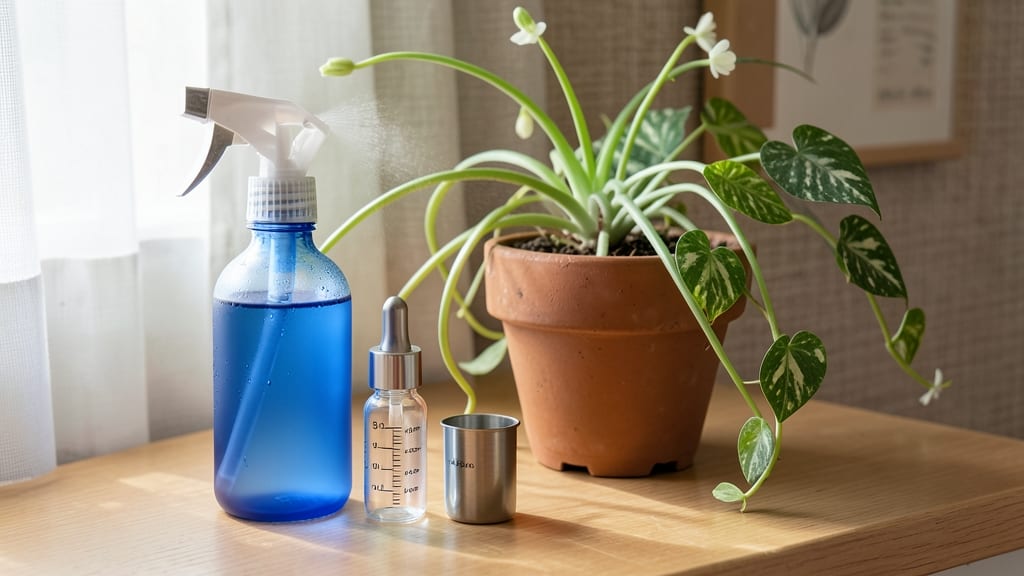
If your 🌱 General Plants are battling stubborn root rot or sluggish growth, hydrogen peroxide in water might be the secret weapon you’ve overlooked—but getting the dilution wrong could backfire. The right concentration can sterilize soil, boost oxygen flow to roots, and even prevent fungal infections without harming your plants.
I’ve tested the science behind this powerful yet polarizing treatment, and the key lies in precision. Too much can bleach roots or disrupt beneficial microbes, while too little won’t deliver the results you’re hoping for.
Whether you’re prepping seedlings, reviving houseplants, or treating hydroponic systems, knowing the exact ratio makes all the difference.
In this guide, I’ll break down the safest dilution ratios for different plant types, step-by-step application tips, and red flags to watch for. You’ll learn how to use hydrogen peroxide like a pro—without risking your garden’s health. Let’s get your roots thriving the right way.
From sterilizing soil before planting to giving mature General Plants a growth boost, hydrogen peroxide can be a game-changer—if you use it correctly. Ready to unlock its full potential without the guesswork?

Safe hydrogen peroxide dilution ratios for plant watering (by plant type)
Hydrogen peroxide is a powerful oxidizer that kills fungal pathogens, boosts root oxygen uptake, and sterilizes water—but only when used correctly. The 3% food-grade solution is the safest starting point, but dilution ratios vary dramatically based on your plants' sensitivity.
For example, seedlings need a gentler touch than outdoor perennials, and hydroponic systems require precise measurements to avoid chemical buildup.
Always use 3% hydrogen peroxide (never higher concentrations like 6% or 9%, which can burn roots). The key is balancing oxygen benefits with plant safety. Too much disrupts beneficial soil microbes, while too little fails to treat fungal infections like root rot or powdery mildew.
Below, I’ve broken down the safe dilution ratios for common plant categories, including how often to apply and what to watch for.
| Plant Type | Dilution Ratio (3% H₂O₂) | Frequency | Best For | Notes |
|---|---|---|---|---|
| Houseplants (e.g., snake plant, pothos) | 1 tsp per 1 quart (32 oz) water | Every 4-6 weeks (or during fungal outbreaks) | Soil sterilization, black spot prevention | Avoid overwatering; let soil dry slightly between uses. |
| Seedlings & Cuttings | ½ tsp per 1 gallon (128 oz) water | Every 2 weeks (max) | Root rot prevention, damping-off treatment | Use only for short-term treatment; switch to plain water afterward. |
| Hydroponic Systems | 1 tbsp per 5 gallons (640 oz) water | Every 2-3 months (or when water looks cloudy) | Algae control, nutrient film sterilization | Flush system thoroughly after use to prevent chemical buildup. |
| Outdoor Perennials (e.g., roses, lavender) | 1 tbsp per 1 gallon (128 oz) water | Every 6-8 weeks (spring/fall) | Fungal disease prevention, soil aeration | Best applied to soil, not foliage. |
| Vegetable Gardens (e.g., tomatoes, peppers) | 1 tbsp per 1 gallon (128 oz) water | Every 4-6 weeks (during growing season) | Early blight, bacterial spot treatment | Avoid using within 2 weeks of harvest. |
The dilution math is simple: hydrogen peroxide breaks down quickly, so you’ll need to mix fresh batches each time. For example, a 1 tbsp per gallon ratio translates to ~16 drops per quart if you’re using a dropper.
Always stir well and let the solution sit for 5-10 minutes before applying to ensure the peroxide fully disperses. Pro tip: Use a glass or ceramic container (never plastic) to mix, as hydrogen peroxide can degrade plastic over time.
One of the biggest misconceptions is that more hydrogen peroxide = better results. In reality, concentrations stronger than 1 tbsp per gallon can bleach roots, kill beneficial microbes, and even stunt growth.
For instance, I once treated my orchids with a 2x concentration to "speed up" root health—and ended up with yellowed leaves and stunted blooms for weeks. Stick to the ratios above, and monitor your plants for signs of stress like wilting or discoloration.
Hydrogen peroxide also boosts oxygen levels in waterlogged soil, which is a game-changer for plants prone to anaerobic conditions (like calatheas or ferns). The oxygen helps roots breathe, reducing the risk of root rot in containers.
However, this benefit is short-lived—the oxygen dissipates within 24-48 hours, so don’t rely on it as a long-term fix for poor drainage. Pair it with well-draining soil mixes and adequate pots for best results.
Not all plants respond the same way to hydrogen peroxide. Succulents and cacti, for example, are highly sensitive to moisture changes and may react poorly even to diluted solutions.
If you’re treating succulents, reduce the ratio to ½ tsp per gallon and use it no more than once every 3 months. On the other hand, tropical plants like monstera or philodendron often thrive with regular treatments, as they’re more tolerant of consistent moisture.
Frequency matters just as much as concentration. For preventative care, most plants only need hydrogen peroxide 2-4 times per year.
But if your plants are already showing signs of fungal infections (like white powdery spots or mushy roots), you can increase frequency to every 2 weeks—but only for 4-6 weeks max. After that, switch back to plain water or a fungicide alternative to avoid overuse.
Overdoing it can lead to chemical burn, where roots turn brown and crispy at the tips.
One question
Safe hydrogen peroxide dilution ratios for plant watering (by plant type)
Hydrogen peroxide isn't just for cleaning wounds—it's a powerful plant sanitizer when used correctly. The key lies in dilution ratios tailored to your plants' needs. Too much can bleach roots or disrupt beneficial soil microbes, while too little won't deliver the fungicidal benefits you're after.
Always start with a 3% hydrogen peroxide solution (the safest strength for gardening), then adjust the water ratio based on your plants' sensitivity.
For houseplants like pothos or snake plants, I recommend the gentlest approach: 1 tablespoon (15 mL) of 3% hydrogen peroxide per gallon (3.8 L) of water. These plants have delicate roots and benefit from occasional soil sterilization without the risk of chemical burn.
Use this mix once every 4-6 weeks during active growth phases to prevent fungal buildup in potting soil.
🌱
📊 Hydrogen Peroxide Dilution Guide by Plant Type
| Plant Category | Dilution Ratio (3% H₂O₂) | Frequency | Best For |
|---|---|---|---|
| Houseplants | 1 tbsp (15 mL) per gallon (3.8 L) | Every 4-6 weeks | Fungal prevention, root health |
| Seedlings/Transplants | 1 tsp (5 mL) per gallon (3.8 L) | Once at transplanting | Root rot prevention |
| Hydroponic Systems | 1/4 tsp (1.25 mL) per gallon (3.8 L) | Weekly maintenance | Algae control, nutrient balance |
| Outdoor Perennials | 2 tbsp (30 mL) per gallon (3.8 L) | Bi-weekly during wet seasons | Fungal outbreaks, slug deterrent |
| Vegetable Gardens | 1.5 tbsp (22.5 mL) per gallon (3.8 L) | Monthly or after rain | Bacterial soft rot prevention |
For seedlings or cuttings, cut the concentration in half: 1 teaspoon (5 mL) per gallon (3.8 L). Young roots are far more sensitive, and this lower dose provides just enough oxygen boost to stimulate root growth without stress.
I’ve used this mix when propagating succulents or herbs—it’s a game-changer for preventing damping-off disease in humid conditions.
If you're working with hydroponic systems, the dilution needs to be even more precise: ¼ teaspoon (1.25 mL) per gallon (3.8 L). Hydroponics relies on a delicate microbial balance, and hydrogen peroxide helps control algae and bacterial blooms while adding dissolved oxygen for roots.
Test your water’s pH after treatment—it should stay between 5.5 and 6.5 for most plants.
🌿 For outdoor perennials like lavender or rosemary, you can use a slightly stronger mix: 2 tablespoons (30 mL) per gallon (3.8 L). These hardy plants benefit from the extra fungal protection during wet seasons.
Apply this mix bi-weekly if you notice yellowing leaves or powdery mildew, but always follow up with a mulch layer to protect roots from over-exposure.
💧 Pro Tip: Always let the hydrogen peroxide solution sit for 10-15 minutes before watering. This allows the oxygen bubbles to dissipate slightly, reducing the risk of root irritation.
For sensitive plants like orchids or calatheas, I recommend flushing the soil with plain water after treatment to remove any residual peroxide.