
Plants
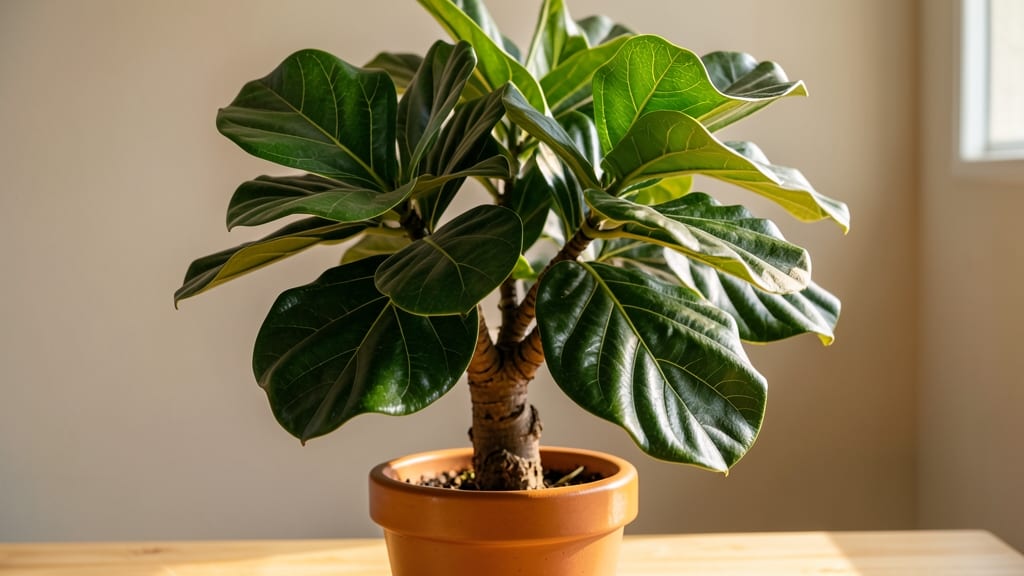
If your ficus plant 🌿 is struggling to thrive, the answer to how much light does a ficus plant need might be simpler than you think—it’s all about light. Too little, and you’ll see limp leaves and stunted growth; too much, and you risk sunburned foliage.
Finding the sweet spot in bright indirect sunlight is the key to keeping your ficus lush and healthy, whether it’s nestled by an east-facing window or tucked in a cozy corner.
Most people assume their ficus just needs "lots of light," but the truth is more nuanced. These tropical plants crave bright but filtered light—think dappled sunshine through sheer curtains rather than harsh midday rays.
The good news? With the right placement, you can transform a struggling ficus into a thriving centerpiece without needing a greenhouse.
In this guide, I’ll break down exactly how much light your ficus needs, from low-light tolerance to optimal bright indirect conditions, and how to spot when it’s getting too much or too little.
You’ll also discover the best window spots in your home and how to supplement natural light when needed.
Ready to give your ficus the perfect lighting setup? Let’s dive in and turn those droopy leaves into vibrant, healthy foliage in no time.

Ficus light requirements: the perfect balance of bright indirect sunlight explained
Ficus plants thrive in bright indirect sunlight, making them perfect for homes with natural light but no harsh midday rays. Unlike sun-loving succulents, ficuses despise direct sun, which can scorch their leaves and stunt growth.
The key is finding that sweet spot where your plant gets enough light to grow but stays protected from intense rays.
Most ficus varieties—like the popular rubber plant (Ficus elastica) and weeping fig (Ficus benjamina)—do best with 4 to 6 hours of filtered light daily. This mimics their natural tropical habitat, where sunlight is diffused through canopy leaves.
Think of it as the difference between a sunny forest floor and a blazing desert.
Indoors, this usually means placing your ficus 2 to 3 feet away from an east- or north-facing window. South-facing windows can work, but you’ll need to filter the light with sheer curtains or a sheer screen.
West-facing windows are riskiest due to the intense afternoon sun, which can cause leaf burn.
Outdoors, ficuses adapt well to partial shade, especially in hot climates. In cooler regions, they can handle a bit more sun, but always introduce them gradually to avoid shock. Remember, even outdoor ficuses prefer dappled shade over full sun exposure.
| Light Condition | Ideal Location | Ficus Variety Examples | Growth Impact |
|---|---|---|---|
| Low Light (10-20%) | North-facing window or 8+ feet from any window | Ficus lyrata (fiddle-leaf fig), Ficus audrey | Slow growth, leggy stems, yellowing leaves |
| Medium Light (20-40%) | East/west-facing window or 3-5 feet from south window | Ficus elastica (rubber plant), Ficus benjamina | Balanced growth, vibrant leaves, healthy foliage |
| High Light (40-60%) | South-facing window with sheer curtain, 2 feet away | Ficus microcarpa (Ginseng fig), Ficus pumila | Risk of leaf burn, crispy edges, stunted growth |
Seasonal changes also affect your ficus’s light needs. During winter, when natural light is weaker, you might notice slower growth or pale leaves. This is your cue to move the plant closer to a bright window or supplement with a grow light for 12-14 hours daily.
In summer, when days are longer, watch for signs of too much light—like brown leaf tips—and adjust by moving the plant back slightly or adding a sheer curtain.
Pro tip: Rotate your ficus quarter-turns every 2-3 weeks to ensure even growth. Plants naturally lean toward light sources, so this simple habit keeps them symmetrical and prevents lopsided development. Just avoid drastic moves, as ficuses dislike sudden changes in their environment.
If you’re unsure whether your space meets the bright indirect light requirement, try this test: Hold your hand near the plant’s leaves. If you can comfortably read a book with the light shining through your fingers, the light is likely too harsh.
If the space feels dim and casts shadows, it’s probably too low-light for optimal ficus health.
For indoor gardeners with limited natural light, LED grow lights are a game-changer. Opt for full-spectrum bulbs placed 6-12 inches above the plant and run them for 12-14 hours daily.
This mimics the long daylight hours ficuses experience in their native habitats, promoting lush, vibrant growth even in basements or north-facing rooms.
Remember, every ficus is unique—some varieties, like the fiddle-leaf fig (Ficus lyrata), are more tolerant of low light, while others, like the Ginseng fig (Ficus microcarpa), crave brighter conditions.
Pay attention to your plant’s specific needs and adjust accordingly. With the right light balance, your ficus will reward you with glossy leaves, sturdy stems, and years of trouble-free growth.
Signs your ficus isn’t getting enough (or too much) light
Your ficus plant communicates its light needs through subtle (and not-so-subtle) signs. Ignoring these cues can lead to stunted growth or even leaf drop. The key is learning to read your plant's signals—whether it's craving more bright indirect light or begging for relief from harsh sunlight.
Start by observing the leaf color. Healthy ficus leaves should be a vibrant green. If they're turning yellow or pale, your plant is likely starved for light. This is especially common in north-facing windows where sunlight is diffused but weak.
Conversely, brown patches or crispy edges signal sunburn from too much direct sun—often seen near south or west-facing windows.
Another red flag is leaf drop. While ficus plants naturally shed leaves, excessive dropping—especially paired with small, sparse new growth—means your plant is struggling to photosynthesize. This often happens when ficus plants are placed in dim corners or under artificial lights that aren’t full-spectrum.
Ficus plants in low-light conditions are more prone to root rot because their roots can’t efficiently absorb water. Always check soil moisture with your finger—top inch dry before watering again.
Pay attention to growth patterns too. A ficus deprived of light will grow tall and leggy, stretching toward the nearest light source in a phenomenon called etiolation. This weakens the plant’s structure and makes it more susceptible to pests.
On the flip side, compact growth with small leaves can indicate too much direct sunlight, causing the plant to conserve energy.
For artificial lighting solutions, consider LED grow lights with a 5000-6500K color temperature. Place them 12-18 inches above your ficus and keep them on for 12-14 hours daily. Rotate the plant weekly to ensure even growth—this mimics natural sunlight patterns and prevents lopsided development.
Pro tip: Use a light meter (or your phone’s lux app) to measure light levels. Aim for 10,000-15,000 lux for optimal ficus health. If your space falls short, supplement with reflective surfaces like mirrors or white walls to bounce natural light toward your plant.