
Plants
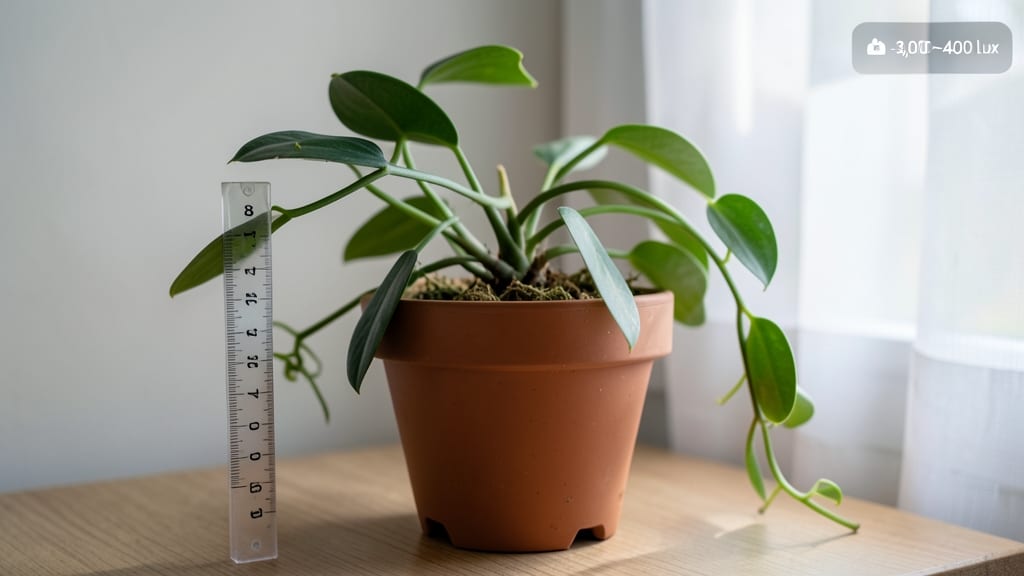
If you're wondering how much light does a Lipstick Plant need, you're not alone—most growers miss the mark on lighting. The truth is, how much light does a Lipstick Plant need can make or break its health, turning vibrant foliage into sad, leggy stems if you get it wrong.
This tropical beauty thrives in bright indirect light, mimicking its natural understory habitat. Too little light, and it grows weak; too much direct sun, and those gorgeous leaves burn.
The key is finding that sweet spot where your plant stays lush without stress—something I’ll help you nail down with expert tips.
Whether you're dealing with a dim corner or a sun-drenched windowsill, I’ll show you exactly where to place your Lipstick Plant for optimal growth. You’ll learn how to spot light-related problems early and adjust your care routine to keep those glossy leaves and striking blooms coming all season long.
Let’s cut through the guesswork so you can give your plant the perfect light conditions—no more struggling with weak growth or leaf scorch. Your Lipstick Plant 🌸 deserves better, and it starts with understanding its light needs.

Ideal light requirements for lipstick plants: bright indirect sunlight explained
Your lipstick plant (Aeschynanthus radicans) thrives under bright indirect light, mimicking its natural tropical habitat. Without the right conditions, it’ll stretch toward light or develop weak, leggy growth.
Think of it like a sunbather—it loves warmth but needs shade from harsh rays. The key is finding that perfect balance where leaves stay vibrant and stems stay sturdy.
In nature, these plants grow as epiphytes on trees, so they’re used to dappled sunlight. Indoors, this translates to placing your plant near a south- or east-facing window where it gets 4-6 hours of filtered light daily.
Avoid harsh afternoon sun, which can scorch delicate leaves. If your home has low-light conditions, don’t panic—we’ll cover solutions later!
Here’s the golden rule: bright indirect light is ideal, but medium indirect light (like a north-facing window) will still work if you’re patient. The trade-off? Growth may slow slightly, and blooms could be fewer.
For the best results, aim for 60% light intensity—think of it as a cozy, well-lit reading nook for your plant.
Seasonal changes matter too. In summer months, your lipstick plant can handle a bit more light, especially if you move it 2-3 feet back from the window to filter out intense rays.
In winter, when sunlight is weaker, consider supplementing with a grow light to maintain its energy levels. Even a few extra hours of light can make a world of difference!
Watch for visual cues to gauge if your lipstick plant is getting the right light. Healthy leaves should be glossy, deep green, and about 2-4 inches long. If leaves start turning yellow or brown, it’s often a sign of too much direct sun.
On the flip side, if leaves grow pale and stretched, your plant is begging for more light. Think of it like a mood ring—your plant’s leaves tell its story!
Another pro tip: Rotate your plant quarter-turns every 2 weeks. This ensures even growth and prevents it from leaning toward one light source. It’s like giving your plant a little vacation from its favorite spot!
Just avoid drastic moves—gradual adjustments help it adapt without shock. Consistency is key, especially when dealing with light-sensitive tropical plants.
For those in apartments or offices with limited natural light, don’t despair. LED grow lights are a game-changer for lipstick plants. A 12-15 watt bulb placed 6-12 inches above the plant for 12-14 hours daily can mimic perfect conditions.
I’ve seen dramatic turnarounds in just a few weeks—even in windowless rooms! The trick is to position the light so it covers the plant’s canopy evenly.
If you’re unsure whether your space meets the bright indirect light requirement, try this quick test: Hold a piece of white paper near your plant’s spot. If the light casts a soft shadow but still illuminates the page clearly, you’re in the ideal range.
If the paper looks dim or dark, it’s time to move your plant closer to a brighter window—or invest in a grow light.
Remember, every home’s lighting is unique. What works for one lipstick plant might not for another, so stay observant. Adjust gradually, and soon you’ll have a thriving, blooming beauty that’s the envy of every plant lover.
With the right light, your lipstick plant will reward you with stunning red tubular flowers that look like tiny lipsticks—hence the name! 🌸
How to adjust your home’s lighting for a healthy lipstick plant
If your Lipstick Plant isn’t thriving despite your best efforts, the issue likely lies in lighting conditions. Unlike sun-loving succulents, this tropical beauty needs bright indirect light to mimic its natural understory habitat.
But how do you recreate those conditions indoors? The answer lies in strategic window placement and supplemental lighting.
First, identify the best windows in your home. East-facing windows provide gentle morning light, while west-facing windows offer afternoon warmth without harsh direct rays. Avoid south-facing windows, which can deliver intense midday sun that burns delicate leaves.
If your only option is a north-facing window, you’ll need to supplement with artificial light.
Here’s a quick rule of thumb: Place your Lipstick Plant 2-3 feet away from an east or west-facing window. This distance balances light exposure without risking leaf scorch.
If you notice stretched stems or pale leaves, it’s a sign your plant needs more light—move it closer or add a grow light.
⚠️ Common Lighting Mistakes to Avoid
Mistake 1: Placing your Lipstick Plant in direct afternoon sun (south-facing windows). This causes leaf burn and crispy edges.
Mistake 2: Keeping it in a dim corner without supplemental light. This leads to leggy growth and sparse foliage.
Mistake 3: Rotating the pot too frequently. Lipstick Plants grow toward light—consistent direction helps them stay balanced.
For homes with limited natural light, LED grow lights are a game-changer. Opt for a full-spectrum bulb and position it 6-12 inches above the plant for 12-14 hours daily.
Brands like Samsung LM300 or GE LED Grow Light are budget-friendly and effective. If you’re using a grow light, monitor the leaves for yellowing or browning—signs of over-exposure.
Seasonal adjustments are key too. In summer, filter light with sheer curtains to prevent overheating. In winter, extend daylight with a timer-controlled grow light. Even a simple reflective surface like a white wall or aluminum foil behind the pot can maximize light diffusion.
Remember, your Lipstick Plant’s health hinges on consistent lighting. With the right setup, you’ll see vibrant foliage and frequent blooms—proof you’ve cracked the light code! 🌿