
Plants
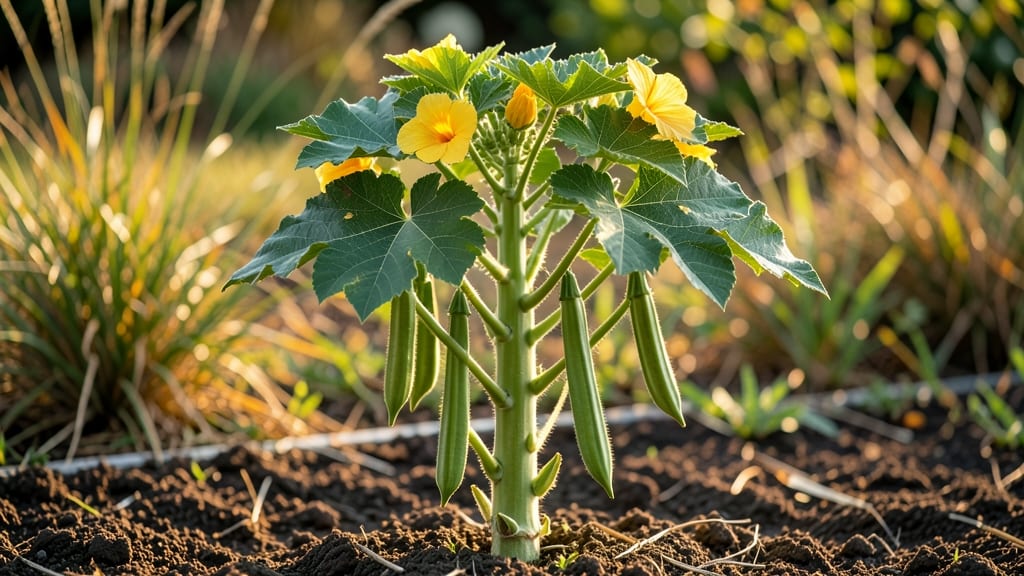
If you're planning to grow okra this summer, you might be wondering just how tall these 🌱 okra plants can get—and whether they'll overwhelm your garden space.
The truth is, okra varieties range dramatically in height, from compact 2-foot dwarf types to towering 10-foot giants that need serious space to stretch out.
For most gardeners in USDA Zone 6, the standard okra plant typically reaches 4-8 feet tall, making it a perfect fit for larger garden beds but a challenge for small yards or containers.
Understanding these height differences is the key to choosing the right variety for your space and maximizing your harvest without turning your garden into an unmanageable jungle.
Whether you're working with limited square footage or dreaming of a lush summer harvest, knowing how to control okra growth—through spacing, trellising, or selecting dwarf varieties—can make all the difference. Let's explore how to get the most out of your okra plants while keeping your garden organized and productive.
From compact varieties that thrive in pots to tall types that need room to grow, we'll cover everything you need to know to plan your okra garden with confidence. Ready to turn your garden into a pod-producing powerhouse? Let's get started!

Okra plant height by variety: from dwarf to towering giants
When planning your garden layout, knowing okra plant height is essential—especially if you're working with limited space. Most okra varieties reach between 5 to 10 feet tall, but some dwarf varieties can stay as short as 2 to 4 feet.
Understanding these differences helps you choose the right variety for your garden style, whether you're aiming for a lush backyard plot or a compact container setup.
Okra plants grow quickly, often shooting up 2 to 3 feet in just a few weeks once established. Their height isn’t just about aesthetics; it also affects spacing, airflow, and pod production.
For example, taller varieties like 'Clemson Spineless' can reach 8 to 10 feet, while bushier types like 'Burgundy' tend to stay shorter at 4 to 6 feet.
Let’s break down the height ranges and growth habits of popular okra varieties to help you make the best choice for your garden.
🌱 Visual Guide: Okra Height by Variety
| Variety | Height Range | Growth Habit | Spacing Needs |
|---|---|---|---|
| Clemson Spineless | 8–10 ft | Tall, upright | 18–24 in apart |
| Emerald Pod | 5–7 ft | Semi-bushy | 12–18 in apart |
| Burgundy | 4–6 ft | Compact, bushy | 12 in apart |
| Jinbu | 3–5 ft | Dwarf, bushy | 10–12 in apart |
If you're growing okra in containers or small spaces, opt for dwarf varieties like 'Jinbu' or 'Burgundy'. These stay under 5 feet tall and thrive in 5-gallon pots with proper care.
For larger gardens, taller varieties like 'Clemson Spineless' produce more pods but require extra spacing and support to prevent flopping over.
Okra plants also develop lateral branches that can spread 2 to 3 feet wide, so account for that when planning your garden bed. If you’re growing multiple plants, leave at least 3 feet between rows to ensure good airflow and reduce the risk of fungal diseases.
This spacing also makes harvesting easier, as you won’t have to navigate through a dense thicket of stems.
Another factor to consider is trellising or staking. While okra isn’t a vine like cucumbers or beans, taller varieties benefit from light support to keep stems upright. Use bamboo stakes or a simple tomato cage to guide growth and improve pod accessibility.
This is especially useful if you’re growing okra near a fence or along the edge of your garden bed.
For container gardening, choose a pot that’s at least 12 inches deep and wide for dwarf varieties. Larger containers (18+ inches) can accommodate semi-dwarf types like 'Emerald Pod'.
Okra’s height isn’t just about the main stem—it’s also about the pod production zones. The lower third of the plant often yields the most pods, so pruning taller varieties to encourage branching can boost your harvest. This technique is particularly useful if you’re growing okra in hot, humid climates, where excessive height can lead to weaker stems and fewer pods.
If you’re new to growing okra, start with a mix of heights to see what works best in your space. For example, place a taller variety like 'Clemson Spineless' in the back of your garden bed and a bushier type like 'Burgundy' in the front.
This creates visual interest while maximizing your harvest potential.
Finally, keep in mind that okra’s height can vary based on growing conditions. Plants grown in poor soil or with insufficient sunlight may become leggy and reach for light, while those in rich, well-draining soil with full sun grow stronger and more compact.
Pay attention to your plants’ growth patterns and adjust your care routine accordingly.
With the right variety and spacing, your okra plants will thrive—whether they’re reaching for the sky or staying cozy in containers. Happy gardening! 🌿
Okra plant height by variety: from dwarf to towering giants
When planning your okra garden, the height of your plants will determine everything from spacing to trellising needs. Most okra varieties fall into three main categories: dwarf (2-4 ft), semi-dwarf (4-6 ft), and standard (6-10 ft).
Choosing the right variety ensures your plants thrive without overcrowding your space or becoming unmanageable.
For gardeners in USDA Zone 6, standard varieties like 'Clemson Spineless' often reach 8-10 feet, while dwarf varieties such as 'Burgundy' stay under 4 feet.
Understanding these differences helps you select the perfect fit for your garden layout, whether you're working with a small balcony or a sprawling backyard.
| Variety | Height Range | Growth Habit | Spacing Needs |
|---|---|---|---|
| Burgundy | 2-4 ft | Bushy | 12-18 inches apart |
| Emerald Pod | 4-6 ft | Semi-bushy | 18-24 inches apart |
| Clemson Spineless | 6-10 ft | Tall, upright | 24-36 inches apart |
| Red Burgundy | 3-5 ft | Compact bush | 12-18 inches apart |
Dwarf varieties like 'Burgundy' are ideal for container gardening or small spaces, while taller types such as 'Clemson Spineless' need ample room to grow upright. If you're short on space, consider using trellises or cages to guide taller varieties vertically, saving valuable garden real estate.
For maximum pod production, ensure your chosen variety has enough space to thrive. Overcrowding can lead to poor air circulation, increasing the risk of fungal diseases like powdery mildew. Always follow the spacing guidelines for each variety to keep your okra plants healthy and productive.
If you're unsure which variety to pick, start with a semi-dwarf type like 'Emerald Pod'. These strike a balance between height and space efficiency, making them perfect for both beginner and experienced gardeners alike.
Proper spacing isn’t just about aesthetics—it directly impacts your harvest yield. Well-spaced okra plants produce more pods and are easier to maintain. With the right variety and spacing, you’ll enjoy a bountiful harvest without the hassle of managing unruly growth.