
Plants
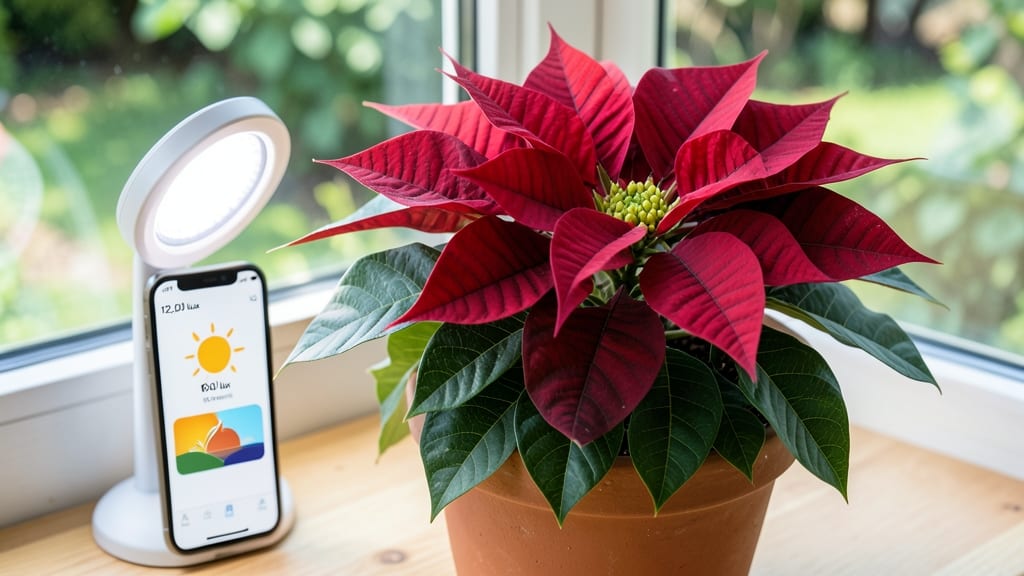
If you’re wondering how much light does a poinsettia plant need, the answer is key to keeping it vibrant and blooming beautifully during the holidays.
A poinsettia thrives in bright indirect light, but too much direct sun can scorch those stunning leaves, while too little light leads to weak stems and sparse blooms. Getting this balance right makes all the difference between a showstopping centerpiece and a sad, leggy plant.
I’ll walk you through exactly how much light your poinsettia needs, how to adjust it based on your home’s lighting, and what to watch for if things start going wrong. With these simple tips, you’ll have a lush, healthy poinsettia that steals the show every holiday season.
Whether you’re dealing with a sunroom, a dim corner, or artificial lighting, I’ve got the solutions to keep your poinsettia happy and thriving—no guesswork required.

Ideal light requirements for poinsettia growth and blooming
Poinsettias thrive in bright indirect sunlight, which mimics their natural understory habitat in tropical forests. Too much direct sun can scorch their delicate leaves, while insufficient light leads to etiolation—those sad, stretched stems and sparse blooms we all dread.
Understanding their light needs is key to keeping your poinsettia vibrant from September through January.
The magic number for poinsettias is 6-8 hours of bright indirect light daily. This means placing them near an east or west-facing window where sunlight filters through sheer curtains. South-facing windows can work too, but only if the plant is positioned 6 feet away to avoid harsh afternoon rays.
Here’s the science behind it: Poinsettias rely on photoperiodism, a response to daylight length. Short days (under 12 hours of light) trigger their famous colored bracts to develop. If you’re growing them indoors, maintain this cycle by providing 14 hours of darkness daily starting in late summer.
Direct sunlight is the enemy—it causes leaf bleaching and crispy edges. Even a few hours of harsh midday sun can stress your plant. Watch for yellowing leaves or white patches as warning signs of over-exposure.
Seasonal adjustments matter too. In winter months, when natural light is scarce, supplement with a grow light (more on this in the next section). Conversely, during summer, move your poinsettia to a shaded patio or use a sheer curtain to diffuse intense sunlight.
Poinsettias also need humidity levels between 40-50% to thrive, especially in dry indoor air. Pairing proper light with a pebble tray or humidifier creates the perfect environment for lush growth.
🌱
🌿 Poinsettia Light Requirements Summary
| Requirement | Specification | Notes |
|---|---|---|
| Daily Light Hours | 6-8 hours | Bright indirect light only |
| Best Window Placement | East or West | South windows need distance |
| Direct Sun Tolerance | None | Causes leaf burn |
| Photoperiod Needs | 14 hours darkness | Triggers bract color |
| Winter Supplement | Grow light | 12-14 hours/day |
If your poinsettia starts looking leggy or sparse, it’s begging for more light. Rotate the pot quarter-turns weekly to ensure even growth. For compact, bushy plants, prune back leggy stems in early summer and fertilize lightly to encourage new growth.
Pro tip: Use a light meter (or your phone’s lux app) to check light levels. Ideal brightness for poinsettias falls between 10,000-20,000 lux. If readings drop below 10,000, it’s time to move closer to a window or add artificial light.
Remember, poinsettias are short-day plants. Their blooming cycle depends on consistent darkness—even a nightlight can disrupt this process. Keep them in a dark closet for 14 hours daily starting in October to guarantee vibrant bracts by Christmas.
☀️
How to adjust light for poinsettias in different rooms
Poinsettias thrive in bright indirect light, but not all rooms offer the same conditions. If your poinsettia sits in a dim corner or blazing sun, it’s time to adjust! The key is finding the goldilocks zone—enough light to fuel vibrant bracts without scorching delicate leaves. Let’s explore how to optimize light in every room of your home, from north-facing studios to south-facing sunrooms. For low-light rooms, like those with north-facing windows or deep interiors, artificial grow lights become your best friend. Fluorescent or LED grow lights (6,500K color temperature) mimic natural sunlight and can keep your poinsettia happy for 12-14 hours a day. Place the light 6-12 inches above the plant and adjust the height as it grows to avoid leaf burn.In high-light rooms, especially south- or west-facing spaces, you’ll need to filter direct sunlight. Sheer curtains, white blinds, or a sheer fabric draped over a window work wonders. If your poinsettia starts showing bleached or crispy leaves, it’s getting too much sun.
Move it 3-6 feet back from the window or add a light diffuser to soften harsh rays. Reflective surfaces like mirrors can also help bounce light indirectly toward the plant.
If you’re unsure about your room’s light levels, use a simple test: Hold a piece of white paper near the plant for a few hours. If the paper turns yellow or brown, the light is too intense.
If it stays white, your poinsettia is likely getting just enough bright indirect light. For extra peace of mind, invest in a light meter (under $20) to measure lux levels—ideal for poinsettias is 1,000-2,000 lux.
Artificial light isn’t just for winter—it’s a lifesaver during short daylight hours in fall and early spring. LED grow bulbs are energy-efficient and last longer than fluorescents, making them a cost-effective choice.
For maximum effectiveness, pair them with a timer to maintain a consistent light cycle (12 hours on, 12 hours off) during the plant’s dormant phase.
Remember, poinsettias are seasonal stars—they need short days and long nights (less than 12 hours of light) to trigger blooming. If your plant isn’t flowering by December, it might be getting too much light during the day.
Reduce exposure to 6-8 hours of indirect light and increase nighttime darkness to encourage those festive colored bracts to appear.