
Plants
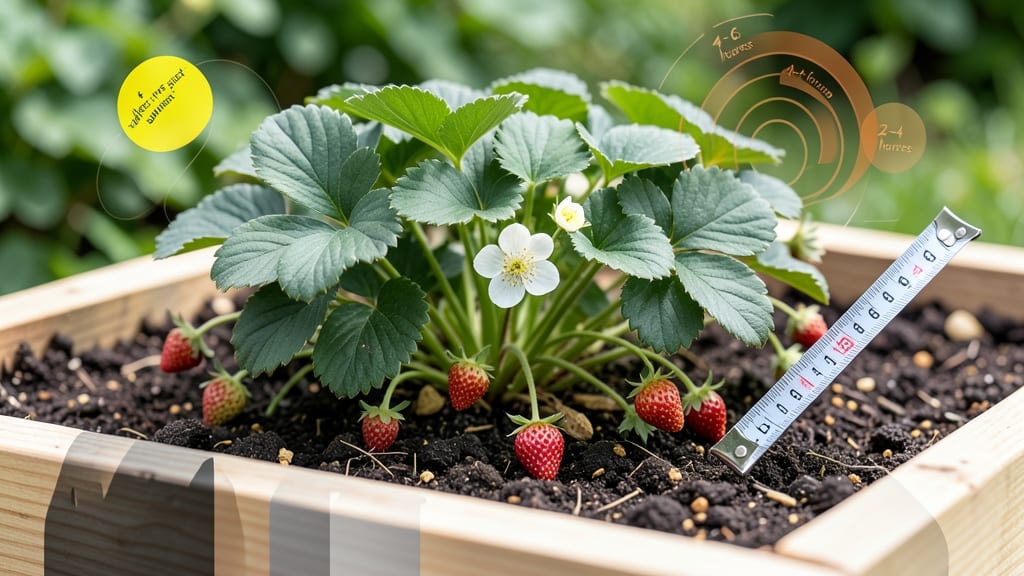
If you're growing strawberry plants 🍓 and wondering how much light a strawberry plant needs to thrive, the answer might be simpler than you think—it’s all about sunlight.
These sweet, juicy berries thrive when they soak up the right amount of light, but too little or too much can spell disaster for your crop.
Most gardeners assume strawberries need full sun, but the truth is more nuanced. While 6-10 hours of direct sunlight is ideal for maximum fruit production, some varieties can tolerate partial shade—especially in hot climates where scorching becomes a risk.
The key is understanding how light affects your plants at every stage, from leafy growth to ripening berries.
In this guide, I’ll break down exactly how much light your strawberries need, whether you’re growing them in garden beds or containers. You’ll learn how to spot signs of light deficiency, adjust for your climate, and even use supplemental lighting to boost yields.
Let’s get your strawberries basking in the perfect glow!
Whether you’re a beginner or a seasoned gardener, getting the light right is the game-changer between a handful of berries and a bountiful harvest. Ready to unlock the secret to sweeter, healthier strawberries? Let’s dive in.

Optimal sunlight hours for strawberry plants by variety
Strawberries thrive in full sun, but not all varieties demand the same amount of light. Most need 6-10 hours of direct sunlight daily for peak fruit production, but some can tolerate partial shade—especially in hot climates. Understanding your variety’s needs is key to maximizing your harvest.
June-bearing strawberries, the most popular type, are the sun-lovers of the bunch. These plants produce one massive harvest per year but require at least 8 hours of sunlight daily to set fruit properly. Skimp on light, and you’ll end up with small, underdeveloped berries—or worse, no fruit at all.
Everbearing and day-neutral varieties are more flexible. They can thrive with 6-8 hours of sunlight and even produce fruit in partial shade, though yields will be lower. These types are great for container growing or shadier yards, where June-bearing varieties might struggle.
Here’s how sunlight needs break down by variety, along with practical tips for each:
| Variety | Ideal Sunlight | Partial Shade Tolerance | Best For |
|---|---|---|---|
| June-bearing | 8-10 hours | Poor (small fruit) | Full sun gardens, cool climates |
| Everbearing | 6-8 hours | Moderate (reduced yield) | Containers, partial shade |
| Day-neutral | 6-8 hours | Good (smaller berries) | Shadier spots, urban balconies |
If you’re growing strawberries in hot climates, like the Southwest U.S., afternoon shade can actually help prevent sunscald on leaves and fruit. Use dappled shade (like from trees) or a 30% shade cloth to filter harsh midday rays while still allowing morning sun.
For container-grown strawberries, place pots in the sunniest spot you have, even if it’s just a balcony. South-facing windows or rooftops work well, but rotate containers weekly to ensure even growth. Without enough light, your plants will stretch toward the sun, producing long, weak stems and tiny berries.
In northern climates, where sunlight is less intense, strawberries can handle partial shade in the afternoon, especially during summer. However, they still need at least 6 hours of morning sun to thrive. If your yard is mostly shaded, opt for everbearing or day-neutral varieties—they’re more forgiving.
Pro tip: Monitor your strawberries’ leaf color and fruit development. Dark green leaves with vibrant red fruit mean they’re happy. Pale, yellowing leaves or small, pale berries? That’s a sign they’re not getting enough light—or too much, if leaves look scorched.
Remember, strawberries are perennial plants, so their light needs stay consistent year after year. Once you find the perfect spot, your plants will reward you with years of sweet harvests—just keep those leaves basking in the sun!
Signs your strawberry plants aren’t getting enough light (and how to fix it)
If your strawberry plants look weak or underdeveloped, they might be crying out for more sunlight. Leggy growth—where stems stretch tall and thin—is a classic light deficiency sign. These plants are reaching for the sun, but without it, they’ll produce fewer and smaller fruits.
Even the leaves themselves can tell the story: small, pale, or yellowing foliage often means your plants aren’t getting enough energy from the sun to thrive.
Another red flag? Poor fruiting. Strawberries need plenty of sunlight to set fruit, so if your plants are flowering but the berries fail to develop—or drop off early—it’s a strong clue that light is the issue.
Even worse, overly dense foliage can shade the fruit, preventing it from ripening properly. This is especially common in container gardens or shaded patio setups where sunlight is limited.
⚠️ Warning: Ignoring Light Needs Can Ruin Your Harvest
Strawberries deprived of sunlight won’t just produce smaller berries—they may also become tart or mealy instead of sweet. Worse, the plants themselves weaken, making them more susceptible to pests and diseases. Fixing light issues early can save your entire crop!
Fortunately, there are simple fixes. If your plants are in partial shade, try moving them to a sunnier spot—even just a few hours of extra sunlight can make a difference. For container growers, rotate pots weekly to ensure even light exposure on all sides.
In extreme cases, prune back overly dense foliage to let more light reach the center of the plant. This encourages better air circulation and fruit development.
Seasonal changes also play a role. In winter or early spring, when days are shorter, strawberries may struggle. If you’re in a cooler climate, consider using a cold frame or row cover to extend sunlight exposure.
Even a reflective surface, like a white wall or aluminum foil, can bounce extra light onto your plants. Every little bit helps when it comes to coaxing those sweet, juicy berries!
Don’t forget to monitor your plants after making adjustments. Within 2-3 weeks, you should see improvements like darker green leaves, stronger stems, and even the first signs of new flower buds.
If you notice scorched leaves instead, it’s a sign of too much sun—a problem just as serious as too little. Balance is key!
For urban gardeners or those with limited space, vertical gardening can help maximize sunlight. Trellises or hanging baskets positioned near a south-facing window or wall can give strawberries the light they need without taking up valuable ground space.
Just ensure the containers have good drainage to prevent root rot from overwatering.