
How To
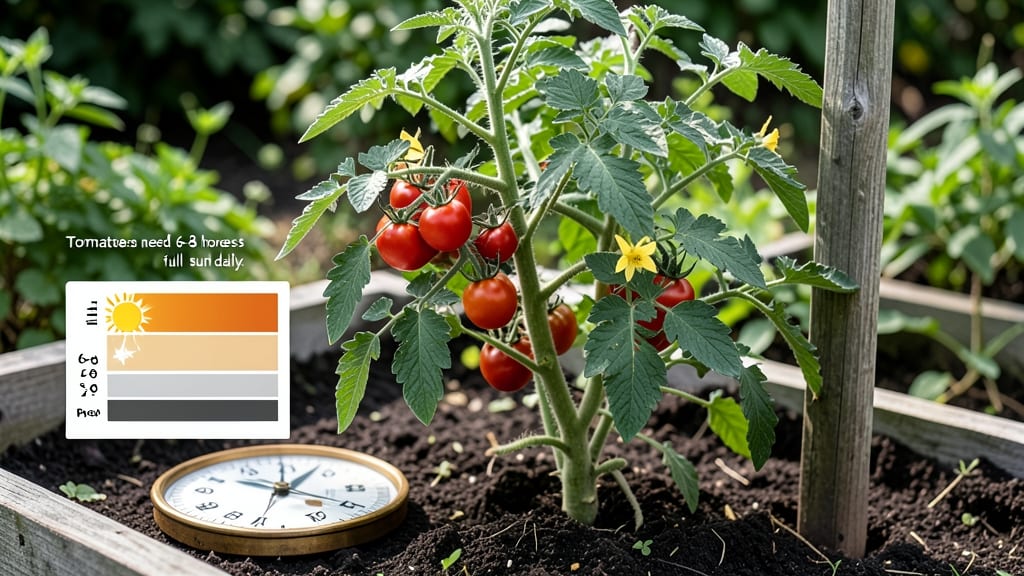
Tomato plant sunlight requirements: minimum hours for optimal growth and fruit production
Tomatoes are sun worshippers—6 to 8+ hours of direct sunlight daily is their golden ticket to thriving vines and bursting fruit. Without enough light, your plants will stretch painfully toward the sky, producing bitter, undersized tomatoes.
I’ve learned this the hard way with my cherry tomatoes in partial shade, where they grew leggy and barely ripened!
Indeterminate varieties like Sungold or Brandywine need the most sunlight—8+ hours daily—to support their endless vines and heavy fruit loads. Determinate types (e.g., Roma or Celebrity) can tolerate 6 hours of full sun, but they’ll reward you with bigger yields if you give them more.
Here’s the science: Tomatoes rely on sunlight for photosynthesis, which fuels their energy to produce flowers and fruit. When light is insufficient, plants prioritize stem growth over fruiting—leaving you with fewer, smaller tomatoes.
Even worse, poor light exposure weakens their defenses, making them prone to diseases like blight.
Now, let’s talk seasonal adjustments. In summer, your garden might get 10+ hours of sunlight, but in winter or early spring, that drops to 4-6 hours. If you’re planting early, use grow lights or choose shade-tolerant varieties like Solar Fire (which handles 4-6 hours of sun).
Measuring sunlight accurately is key. Use a sunlight tracker or observe your garden: Cast shadows under a stick at solar noon (around 12 PM). If the shadow is shorter than the stick’s height, you’ve got full sun.
Longer shadows mean partial shade, and you’ll need to supplement with reflective surfaces or taller plants.
| Tomato Type | Minimum Sunlight | Ideal Sunlight | Seasonal Notes |
|---|---|---|---|
| Indeterminate (e.g., Sungold, Brandywine) | 8+ hours | 10+ hours | Needs full sun year-round; prune for airflow |
| Determinate (e.g., Roma, Celebrity) | 6 hours | 8+ hours | Tolerates partial shade; harvest all at once |
| Shade-Tolerant (e.g., Solar Fire, Stupice) | 4-6 hours | 6+ hours | Best for early spring/fall; slower growth |
| Container-Grown (Any Type) | 6-8 hours | 8+ hours | Rotate pots daily for even light exposure |
Morning sun (6 AM–12 PM) is ideal because it dries dew quickly, reducing fungal diseases. Afternoon sun (12 PM–6 PM) can be intense, so in hot climates, provide dappled shade during peak hours (1–4 PM) to prevent leaf scorch.
I use shade cloth on my heirloom tomatoes in July, and it’s made a world of difference!
If your garden only gets 4-5 hours of sun, don’t despair. Try reflective mulch (like white gravel) or grow tomatoes in containers near a south-facing wall.
Even vertical gardening with trellises can maximize light exposure by lifting plants higher. Just remember: No tomato variety thrives in deep shade—they’ll always produce poorly.
Pro tip: Start seeds indoors under grow lights (14–16 hours of light daily) to give them a head start. Once transplanted, stake or cage your plants immediately to keep them upright in the sun. This prevents leggy growth and ensures energy goes to fruit production instead of flopping stems.
Lastly, monitor your plants’ leaf color. Deep green leaves mean they’re happy; pale or yellowing leaves signal light deficiency. If you notice few flowers or small fruit, it’s time to move them to a sunnier spot—or invest in a portable grow light for container gardens.
Your future harvest depends on it!
Signs your tomato plants aren’t getting enough light (and how to fix it)
Leggy, spindly tomato plants with tiny leaves and few flowers? These are classic signs your plants are light-starved. When tomatoes don’t get enough sunlight, they stretch toward any available light, creating weak stems that collapse under fruit weight.
Even worse, they skip the flowering stage entirely, leaving you with no harvest.
Another red flag is pale, yellowish leaves—especially on the lower stems. Healthy tomato foliage should be a deep, vibrant green. If your leaves look more washed out or purplish, your plants are begging for more sun.
And if you’ve got tiny, underdeveloped fruits (or none at all), that’s your body telling you to move those plants.
🚨 WARNING: Light Deficiency Can Ruin Your Harvest
- Stunted growth (plants stay small)
- Fewer flowers (or none at all)
- Poor fruit set (fruits drop early)
- Weak stems (prone to snapping)
- Blossom end rot (calcium deficiency from stress)
If you’re growing tomatoes in containers or urban gardens, check for obstructions like nearby trees, fences, or buildings casting shadows. Even 3-4 hours of lost sunlight can drastically reduce your yield.
Use a sunlight tracker (or your phone’s compass) to map your garden’s light patterns—you might be surprised by how much shade sneaks in.
For indoor growers, grow lights are a lifesaver. Tomatoes need 12-16 hours of light daily when indoors, and LED grow lights (like full-spectrum bulbs) mimic sunlight perfectly.
Place lights 6-12 inches above plants and adjust as they grow. Pro tip: Rotate plants daily to prevent them from leaning toward the light source.
Don’t forget: Morning sun is gold—it dries dew quickly, reducing fungal diseases like blight. If your tomatoes are in partial shade, prioritize south-facing exposure (in the Northern Hemisphere) to maximize sunlight hours.
And if all else fails, consider dwarf or bush varieties like ‘Tiny Tim’ or ‘Patio,’ which tolerate slightly less light than vining types.
🌱 Pro Move: Prune lower leaves to improve airflow and redirect energy to fruiting. Remove any leaves shading the lower fruit clusters—this lets more light reach the ripening tomatoes and boosts sweetness. Just don’t overdo it; leave enough foliage to protect fruits from sunburn.