
How To
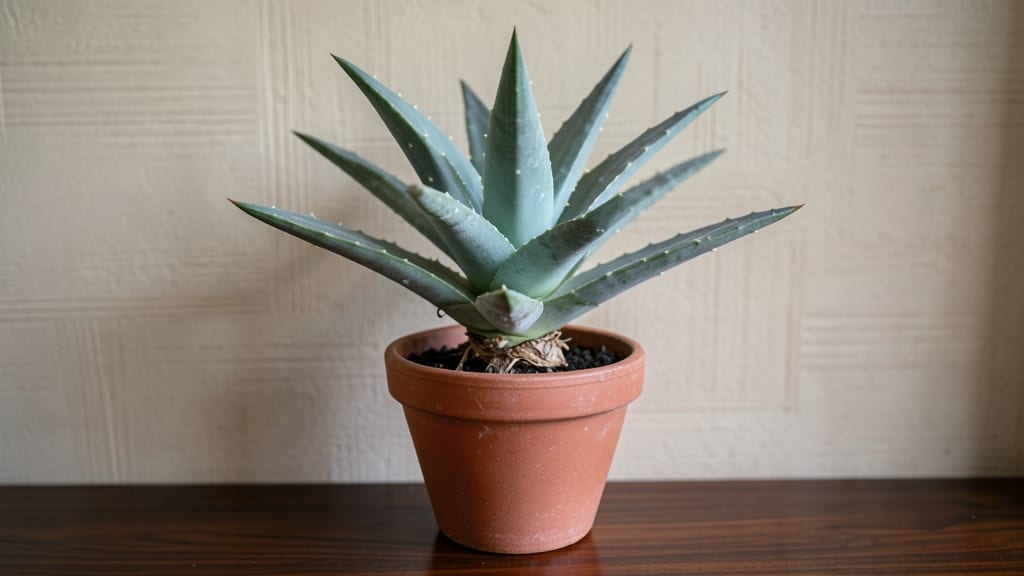
If your aloe plant 🌵 looks more like a sad, stretched-out shadow of itself than a plump, vibrant succulent, you’re probably asking yourself: how much light does aloe plant need? The answer isn’t just about throwing it in the sun—it’s about finding that sweet spot between too little and too much.
Too little light, and your aloe’s leaves will stretch toward the nearest window like a sleepy cat reaching for sunlight. Too much, and those gorgeous green leaves can turn crispy at the edges—like overcooked toast.
The key? Bright, indirect light for most of the day, whether indoors near a south-facing window or outdoors in partial shade.
But here’s the twist: aloe plants are tougher than they look. They can handle direct sun for a few hours a day, especially in cooler months, but in the scorching heat of summer, they’ll thank you for a little shade.
We’ll break down exactly how to position your plant—indoors or out—to keep it thriving all year round.
Ready to turn that leggy aloe into a showstopper? Let’s dive into the light secrets that’ll have your plant looking fuller, healthier, and ready to grow like crazy. You’ll learn how to spot the signs of light trouble and fix them fast—no guesswork involved.

Ideal light requirements for aloe vera growth: sunlight spectrum breakdown
Aloe plants thrive in bright indirect sunlight, but they can also handle direct sun exposure—just like their desert ancestors. The key is finding that sweet spot where they get enough light to photosynthesize efficiently without getting sunburned.
For optimal growth, aim for 6 to 8 hours of sunlight daily, though they can tolerate slightly less in cooler months.
In their natural habitat, aloe plants grow in arid, sunny environments with intense light but minimal humidity. This means they’re adapted to handle high light intensity, but too much direct sun—especially during peak afternoon hours—can cause leaf scorch.
Think of it like sunbathing: too much at once leads to burns, but gradual exposure builds resilience.
Here’s the science behind it: aloe plants have a high tolerance for UV light due to their thick, waxy leaves. These leaves act like natural sunscreen, protecting the plant from photooxidative damage.
However, when exposed to intense midday sun for extended periods, the chlorophyll in the leaves can break down, leading to brown or white patches. This is your plant’s way of saying, "I need a break!"
Seasonal adjustments are crucial. During spring and summer, when sunlight is most intense, aloe plants can handle up to 6 hours of direct sun, especially if they’re outdoors.
In fall and winter, when daylight is shorter and weaker, they’ll do fine with bright indirect light for 4 to 6 hours a day. This flexibility makes aloe a great indoor plant for homes with south-facing windows.
You might wonder: Can aloe grow in low light? The short answer is yes, but with trade-offs. In low-light conditions (like a north-facing window or a dim corner), aloe plants will stretch toward the light, a condition called etiolation.
This results in long, weak stems and pale, sparse leaves. It’s like a plant version of growing tall and lanky—unattractive and structurally weak. If you notice your aloe looking "leggy," it’s time to move it closer to a brighter spot.
| Light Condition | Daily Exposure | Ideal For | Plant Response |
|---|---|---|---|
| Bright Indirect Light | 4-6 hours | Indoor (east/west windows) | Healthy growth, compact leaves |
| Direct Sunlight | 6-8 hours (morning/evening) | Outdoor or south window | Vibrant color, strong stems |
| Low Light | <2 hours | North window or dim room | Etiolation, weak stems |
| Intense Midday Sun | >4 hours (10 AM-4 PM) | Outdoor (summer) | Leaf scorch, brown patches |
If you’re growing aloe outdoors, pay attention to microclimates. A spot near a south-facing wall or patio can provide the perfect balance of reflected sunlight and shade. In containers, aloe plants can be moved to partial shade during peak afternoon hours to prevent overheating.
This is especially important in USDA zones 8-10, where summer temperatures can soar.
For indoor growers, grow lights can be a lifesaver if natural light is limited. A full-spectrum LED grow light placed 6-12 inches above the plant and used for 12-14 hours daily mimics the ideal sunlight spectrum.
Look for lights with a high red and blue wavelength output, as these are critical for photosynthesis and growth regulation in aloe.
One common misconception is that aloe plants can thrive in any amount of light. While they’re more forgiving than many houseplants, pushing them to their limits—whether too much or too little—will stress the plant and reduce its lifespan.
Think of light as the fuel for photosynthesis: too little, and the plant runs on fumes; too much, and it overheats. Finding that goldilocks zone is the secret to a thriving aloe.
Pro tip: Rotate your aloe plant quarter-turns every few weeks to ensure even light exposure. This prevents one side from becoming lopsided or overly exposed, which can lead to uneven growth.
It’s like giving your plant a gentle massage to keep it balanced and healthy. Your aloe will thank you with thicker leaves and a bushier appearance!
How to position your aloe plant for maximum health: window placement guide
Aloe plants thrive when placed strategically, whether indoors or outdoors. For indoor aloe care, a south-facing window is ideal because it provides the brightest indirect light without harsh midday sun. East-facing windows work too, but your aloe may stretch toward the light if it doesn’t get enough intensity.
Outdoor aloe plants need 6+ hours of direct sunlight daily, but avoid placing them in intense afternoon sun (1 PM–4 PM) during summer, which can scorch their leaves. Instead, opt for morning sun exposure with afternoon shade, especially in hot climates like USDA zones 8–11.
| Lighting Option | Best For | Light Hours | Seasonal Adjustments |
|---|---|---|---|
| South-Facing Window | Indoor aloe | 6–8 hours | Rotate plant weekly for even growth |
| East-Facing Window | Indoor aloe | 4–6 hours | Supplement with grow lights in winter |
| Outdoor Morning Sun | Outdoor aloe | 6+ hours | Move to shade by noon in summer |
| Grow Lights (LED) | Low-light spaces | 12–14 hours | Use full-spectrum bulbs 6–12 inches away |
If your aloe is in a north-facing window, it’ll likely stretch toward the light, a sign of light deficiency. To fix this, move it closer to the window or add a reflective surface (like a white wall or mirror) to bounce extra light onto the leaves.
For artificial lighting, LED grow lights are perfect—they mimic sunlight and can keep your aloe thriving even in dim offices.
Seasonal changes matter too! In winter months, when daylight is shorter, aloe plants may need supplemental light. Place them near a sunny window during the day and use grow lights for 2–3 hours in the evening if natural light is insufficient.
This mimics their natural sunlight exposure and prevents weak, leggy growth.
For outdoor aloe, spring and fall are the best times to enjoy full sun. During summer, provide afternoon shade to prevent leaf burn, especially in hot climates.
A simple solution is to place your aloe under a light sheer curtain or move it to a shaded patio area after 1 PM.
Pro tip: Rotate your aloe quarterly to ensure even light exposure on all sides. This prevents one-sided growth and keeps those thick, vibrant leaves looking their best year-round. 🌿