
Plants
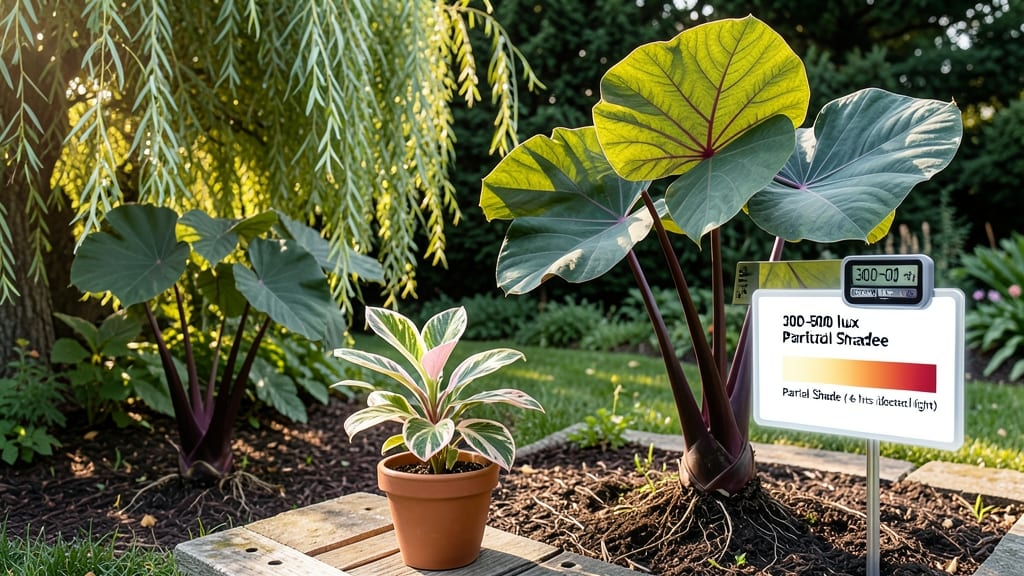
If you’re wondering how much light does an elephant ear plant need, the answer lies in finding the perfect balance—too much or too little can turn those stunning leaves dull or shriveled.
The right lighting is key to unlocking bold, glossy foliage you’ll love; too harsh, and you’ll see scorched edges, too little, and growth stalls completely.
Most gardeners in USDA Zone 6a assume these tropical beauties need full sun, but the truth is more nuanced. While they thrive in bright conditions, direct afternoon rays can cause damage, especially during spring when new growth is most vulnerable.
I’ll show you exactly how to spot the signs of improper lighting and adjust your approach for lush, healthy leaves.
Whether you’re planting outdoors in April-May or keeping yours indoors near an east-facing window, understanding their light needs is the game-changer. We’ll cover everything from partial shade setups to seasonal tweaks so your plant thrives year-round—no more guessing games.
Ready to transform limp leaves into vibrant statements? Let’s dive into the ideal light conditions and how to fine-tune them for maximum impact. Your Elephant Ear 🌿 will thank you with bigger, brighter leaves in no time.

Optimal light requirements for elephant ear plants by variety
Elephant ear plants (Colocasia and Alocasia spp.) are tropical divas that crave specific light conditions to showcase their showstopping foliage. Unlike sun-loving succulents, these plants prefer bright indirect light with morning sun exposure—think dappled sunlight under a canopy.
Too much direct sun causes leaf scorch, while too little light leads to weak, pale growth and smaller leaves. Let’s break down the ideal light requirements for each variety to keep your plants thriving.
Most Colocasia varieties (like the classic elephant ear or black stem) thrive with 4-6 hours of filtered sunlight daily. They tolerate partial shade (40-60% sunlight) but avoid harsh afternoon rays, which can bleach or crisp their leaves.
Meanwhile, Alocasia species (such as the Polly or Frydek) are even more shade-tolerant, often flourishing in 2-4 hours of indirect light—ideal for indoor settings or heavily shaded outdoor spots.
Here’s how to spot if your plant is getting the right light: Healthy leaves should be deep green and glossy, with vibrant veins. If your plant’s leaves are yellowing or drooping, it’s likely getting too much sun.
Conversely, pale, limp leaves signal insufficient light. Adjusting your plant’s location can make all the difference in achieving that lush, tropical look.
🌿
For outdoor cultivation, position your elephant ear plants where they’ll receive morning sunlight and afternoon shade. A spot under a tree canopy or near a north-facing wall works beautifully.
If you’re growing them in containers, place them on a patio or deck with partial shade during peak sun hours (11 AM–3 PM). This setup mimics their natural tropical understory habitat and prevents leaf damage.
Indoor growers should prioritize east-facing windows, which provide gentle morning light without the intensity of south or west exposures. If your home lacks natural light, supplement with a grow light (12-14 hours daily) to prevent leggy growth.
Avoid placing these plants near heat vents or drafty windows, as temperature fluctuations can stress them out.
Seasonal adjustments are key! In summer, when sunlight is most intense, move your plants to shadier spots or use a light sheer curtain to filter harsh rays. In winter, if natural light drops, consider rotating your plant quarter-turns weekly to ensure even growth.
This simple trick prevents one-sided stretching and keeps those stunning leaves symmetrical.
🌳
Pro tip: If your elephant ear plant starts showing signs of light stress, act fast! Move it to a shadier location immediately and monitor its progress over 3-5 days.
With the right light balance, your plant will reward you with bold, glossy leaves that steal the show in any garden or indoor space.
How to adjust light conditions for maximum growth and leaf size
Elephant ear plants (Colocasia spp.) love bright, indirect light but can quickly suffer if exposed to too much harsh sunlight or left in dim corners. The key is finding that sweet spot where leaves stay vibrant and growth remains robust.
If your plant’s foliage is turning yellow or crispy at the edges, it’s likely a light-related issue—and adjusting it can make all the difference.
Start by observing your plant’s current location. If it’s indoors, move it closer to an east-facing window, where morning sunlight is gentler. Outdoor plants should be placed where they receive 4-6 hours of filtered sunlight daily, avoiding the intense midday rays that can scorch leaves.
Even a few hours of afternoon shade can prevent sun damage while keeping growth strong.
Elephant ears can’t handle direct afternoon sun, which causes crispy, brown edges on leaves. If you notice this, relocate your plant to a spot with dappled shade or use a sheer curtain to diffuse harsh light.
Seasonal changes also affect light needs. In summer, when sunlight is strongest, provide extra shade with a lightweight shade cloth (30-50%) or move potted plants to a sheltered patio.
Conversely, in winter, supplement natural light with a grow light (12-14 hours/day) if your plant looks leggy or pale, signaling insufficient light.
For indoor growers, rotate your plant quarter-turns weekly to ensure even light exposure. This prevents one-sided growth and helps leaves develop uniformly. If you’re using artificial lighting, place the bulb 12-18 inches above the plant and adjust as leaves grow taller.
Watch for signs of light stress: drooping leaves mean too little light, while crispy edges or bleached patches mean too much. By tweaking placement and using protective measures, you’ll keep your elephant ear plant thriving with bold, glossy foliage all season long.
Pro tip: Group your elephant ears with other shade-loving plants like calatheas or ferns to create a microclimate that mimics their natural tropical habitat. This natural shading can work wonders for maintaining ideal light conditions without extra effort.