
Plants
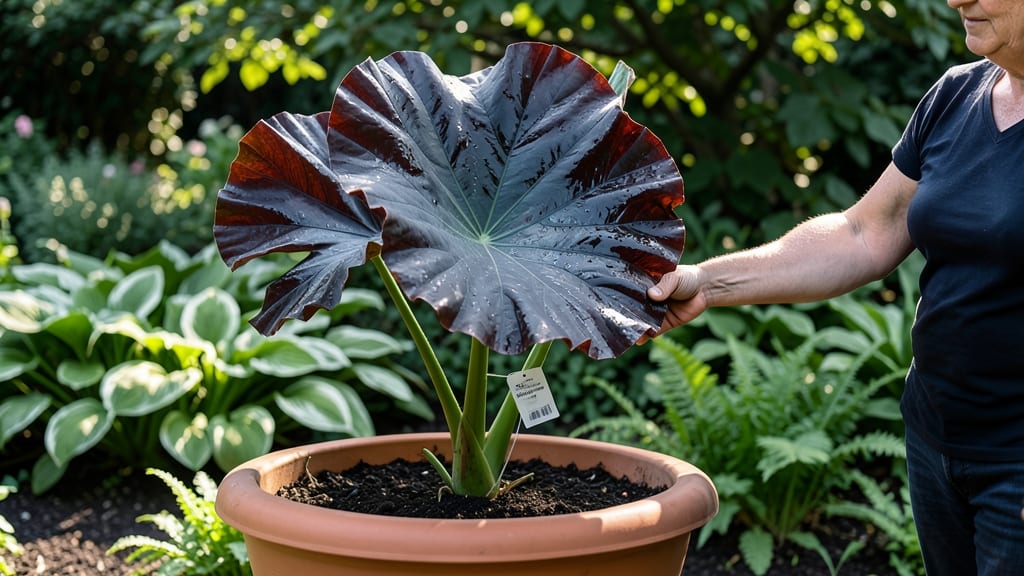
If you're planning your garden layout, knowing how tall does an elephant ear plant grow is key to avoiding crowded spaces or wasted potential. These tropical beauties can reach dramatic heights—some varieties soaring up to 6 feet—while others stay compact enough for patio containers.
The elephant ear 🌿 (Colocasia) you choose makes all the difference. Dwarf varieties like 'Black Magic' max out around 2 feet, perfect for small gardens, while giants like 'Illustris' can tower over you. Even their leaf size hints at their eventual height—bigger leaves usually mean taller growth.
But here's the secret: sunlight, soil, and pruning can push your plant toward its full potential—or keep it in check. Too much sun? Expect stunted growth. Rich, moist soil?
Watch it shoot up faster. And pruning at the right time? That's how you control whether your elephant ear becomes a statement piece or a space hog.
Whether you're dreaming of a lush backyard jungle or a cozy container garden, I'll break down exactly what to expect from each variety—and how to nurture them to the perfect height for your space. Let's get growing!

Elephant ear plant height by variety: from compact to towering giants
Elephant ear plants (Colocasia and Alocasia) are famous for their bold, heart-shaped leaves—but their mature heights can surprise you. Some varieties reach 6 feet tall, while others stay under 2 feet, making them perfect for containers.
The key? Variety selection and growing conditions. Let’s break down the height ranges so you can pick the perfect fit for your space.
Most Colocasia varieties (like the classic ‘Illustris’) grow 3–5 feet tall, while Alocasia species often top out at 4–6 feet. However, dwarf varieties like ‘Black Magic’ or ‘Pink China’ stay under 2 feet, ideal for patio pots.
Leaf size also hints at height—larger leaves usually mean taller plants, but not always!
Here’s the visual comparison you need to plan your garden layout or container setup:
| Variety | Height Range | Leaf Size | Best For |
|---|---|---|---|
| Colocasia ‘Illustris’ | 3–5 ft | 12–18" wide | Borders, shade gardens |
| Colocasia ‘Black Magic’ | 1.5–2 ft | 8–12" wide | Containers, small spaces |
| Alocasia ‘Polly’ | 2–3 ft | 6–10" wide | Patios, indoor pots |
| Colocasia ‘Pink China’ | 2–3 ft | 10–14" wide | Containers, shade gardens |
| Alocasia ‘Dragon Scale’ | 4–6 ft | 18–24" wide | Tropical backdrops |
For tropical climates (Zones 8–11), elephant ears can grow 1–2 feet taller than in cooler zones due to longer growing seasons.
In Zones 6–7, expect 20–30% shorter heights unless you treat them as annuals or overwinter tubers indoors. Sunlight matters too—too much direct sun stunts growth, while partial shade encourages lush, tall foliage.
Pro tip: If you’re growing Alocasia varieties, they often need higher humidity (like 60%+) to reach their full height potential. A simple pebble tray or misting routine can make a difference for these tropical giants.
Now that you know the height ranges, your next question might be: How do I control their size? Stay tuned for pruning tips and container hacks to keep your elephant ears at your desired height—whether you want them towering or compact! 🌿
Remember, leaf size isn’t always a height predictor. For example, ‘Black Magic’ has smaller leaves but still grows taller than some larger-leafed varieties. Always check the specific variety’s care notes to avoid surprises in your garden layout.
For container gardening, choose varieties like ‘Pink China’ or ‘Polly’—they thrive in 10–15 gallon pots and rarely exceed 3 feet. Just ensure your container has drainage holes to prevent root rot, which can stunt growth.
If you’re planning a shade garden backdrop, taller varieties like ‘Dragon Scale’ Alocasia will create a dramatic tropical effect. Pair them with hostas or ferns for a lush, layered look. Just leave 3–4 feet of space behind them for full growth.
One common mistake? Overcrowding tubers at planting. If you’re dividing rhizomes, space them 12–18 inches apart to avoid competition that limits height. Crowded plants often grow shorter and leggy instead of sturdy and tall.
How to control elephant ear plant height: pruning and care tips
Pruning your elephant ear plant isn't just about keeping it tidy—it's the secret weapon for controlling height growth and encouraging bushier, healthier foliage. I’ve learned that timing and technique make all the difference.
For example, if you want to keep your plant compact, prune back the tallest stems in early spring before new growth starts. This forces energy into side shoots, creating a fuller plant instead of one skinny stalk.
But here’s the catch: Don’t over-prune! Cutting too aggressively can stress the plant, especially in hot climates. Aim to remove only 1/3 of the plant’s height at a time. And always use sterilized pruners to avoid spreading disease between cuts.
I’ve seen beginners make the mistake of hacking off stems at the base—this can leave ugly scars and invite pests. Instead, cut just above a leaf node where new growth can sprout.
The right light conditions also play a huge role in height control. Elephant ears love partial shade (4-6 hours of morning sun), but too much direct sunlight can stunt growth. If your plant starts stretching toward the light with long, leggy stems, it’s begging for more shade.
On the flip side, if it’s growing too slowly, a little more filtered light might help. I’ve found that east-facing windows or dappled shade under trees are perfect spots for balanced growth.
Now, let’s talk container gardening, because this is where height control becomes an art. If you’re growing dwarf varieties like 'Black Magic' in pots, choose containers that are at least 12 inches wide to accommodate their root systems.
Root-bound plants grow slower and often become stunted. And here’s a pro tip: Repot every 2-3 years to refresh the soil with compost. This gives your plant a nutrient boost without encouraging excessive height growth.
🌱 Step-by-Step Pruning Guide
- Timing: Prune in early spring or after flowering (if applicable) to encourage new growth.
- Tools: Use sterilized pruners or sharp scissors to make clean cuts.
- Technique: Cut 1/3 of the plant’s height, just above a leaf node.
- Avoid: Never remove more than 30% of the plant at once.
- Aftercare: Water deeply and apply a balanced fertilizer (10-10-10) to support recovery.
One common mistake I see is overwatering, which can lead to weak stems and leggy growth. Elephant ears love moisture, but their soil should never be soggy.
I’ve found that watering in the morning and using well-draining soil with organic matter (like peat moss or coconut coir) keeps roots healthy without encouraging rapid, unchecked height growth.
And if you’re growing in containers, make sure the pot has drainage holes—this prevents root rot and ensures your plant stays strong and sturdy.
Finally, don’t forget that mulching can help regulate temperature and moisture around your plant’s roots, which indirectly supports controlled growth. Use 2-3 inches of mulch (like shredded bark or straw) around the base of your elephant ear, but keep it away from the stem to prevent rot.
This simple step can make a big difference in keeping your plant’s height in check while protecting it from temperature swings.