
Plants
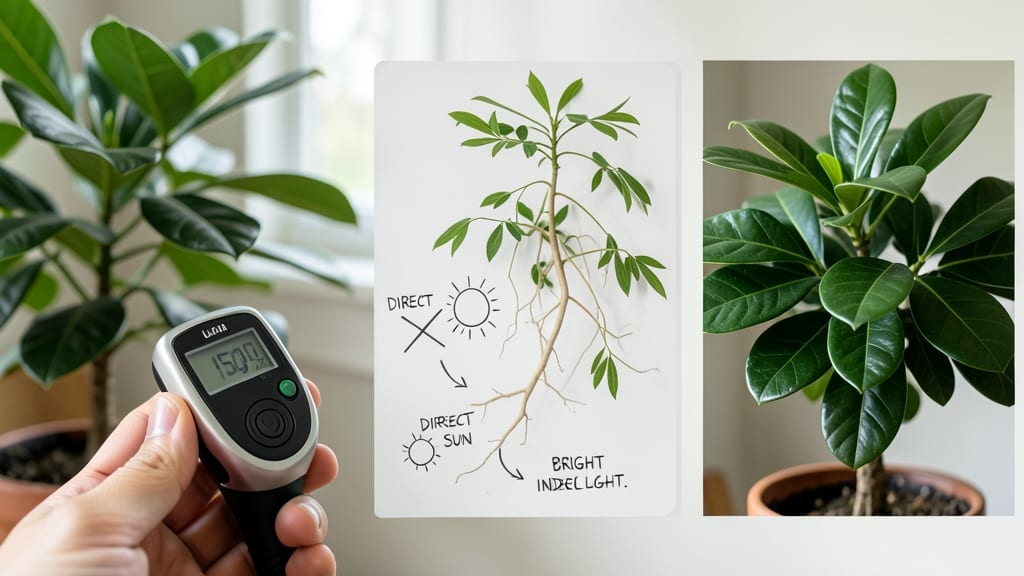
If you’re wondering how much light does an umbrella plant need to stay vibrant and healthy, you’re not alone—light exposure is the key to keeping this plant thriving. The right amount of brightness can mean the difference between lush, vibrant foliage and a sad, leggy shadow of its former self.
Most people assume these plants are low-maintenance, but bright indirect light is non-negotiable for their health. Too little, and you’ll see yellowing leaves or sparse growth. Too much direct sun, and those delicate fronds will scorch.
The good news? With a few simple adjustments, you can create the perfect lighting conditions—whether you're growing it indoors or outdoors.
I’ll break down exactly how much light your Umbrella Plant needs, including the ideal spots in your home and how to spot when it’s getting too much or too little. No more guesswork—just lush, happy growth every time.
Ready to transform your plant care routine? Let’s dive into the secrets that’ll keep your Umbrella Plant looking its best year-round.

Ideal light requirements for umbrella plant growth (with exact sunlight guidelines)
Your umbrella plant (Cyperus alternifolius) thrives in bright indirect light, making it perfect for indoor spaces near windows—but not all light is equal. Too little light causes leggy growth, while too much direct sun burns those delicate fronds.
Let’s break down the exact lighting conditions your plant craves to stay lush and vibrant.
In nature, umbrella plants grow in partial shade along waterways, where they receive dappled sunlight. Recreating this environment indoors means placing your plant 2-3 feet from an east or west-facing window.
South-facing windows can work, but you’ll need to filter the light with sheer curtains to prevent leaf scorch.
Outdoors, umbrella plants tolerate morning sun with afternoon shade, especially in hot climates. If you’re growing yours in a container on a patio or balcony, move it to a spot where it gets 4-6 hours of bright, indirect light daily.
Avoid placing it under harsh midday sun, which can cause yellowing or crispy leaf edges.
🌿 Umbrella Plant Light Requirements Summary
| Light Condition | Ideal Setup | Signs of Stress |
|---|---|---|
| Bright Indirect Light | East/west window, 2-3 ft away | Healthy green fronds, compact growth |
| Low Light | North-facing window or room corner | Leggy stems, sparse foliage, pale leaves |
| Direct Sunlight | South window without filter, outdoor midday sun | Brown leaf tips, crispy edges, wilting |
| Artificial Light | Grow light 6-8 inches above plant, 12-14 hrs/day | Slow growth if spectrum is poor; thrives with full-spectrum LED |
If your umbrella plant starts showing yellowing leaves, it’s often a sign of too much direct sunlight or overwatering in hot conditions. Move it to a shadier spot and check the soil moisture—soggy roots can’t handle intense light.
For leggy growth, your plant isn’t getting enough light. Rotate it weekly to ensure even exposure, or supplement with a grow light if natural light is limited.
Seasonal adjustments are key! In summer, umbrella plants may need more shade as temperatures rise, while winter might require extra light if days grow short. Watch your plant’s response: if the fronds close up or droop, it’s begging for a brighter spot.
If they spread wide and stay perky, you’ve nailed the light balance.
Pro tip: Test your light setup with the "shadow test". Hold a piece of paper near your plant—if the shadow is sharp and dark, the light is too direct.
If it’s soft and fuzzy, you’re in the ideal indirect light zone. This simple trick saves your plant from sunburn or light deprivation.
For indoor growers, east-facing windows are ideal because they provide gentle morning light without the harsh afternoon rays. If you only have a south-facing window, use a sheer curtain or UV-blocking film to diffuse the light.
Outdoor growers should prioritize morning sun exposure and afternoon shade, especially in USDA zones 8-10 where heat intensifies.
Remember, umbrella plants are flexible but not forgiving. They’ll adapt to low-light conditions but won’t thrive—expect slower growth and fewer fronds. Push for bright indirect light, and you’ll reward your plant with dense, arching foliage that’s the envy of every plant lover’s collection. 🌿
How to adjust light conditions for different umbrella plant growth stages
Your umbrella plant (Cyperus alternifolius) thrives when its light needs align with its growth stage. Seedlings, mature plants, and flowering stages all require slightly different light conditions to prevent common issues like yellowing leaves or stunted growth. Understanding these adjustments ensures your plant stays healthy year-round.
For seedlings, start with bright indirect light—think of a spot near an east-facing window where sunlight filters gently. Too much direct sun at this stage can scorch delicate leaves, while too little light causes leggy growth and weak stems.
Rotate the pot every few days to encourage even growth toward the light source.
Mature umbrella plants (1-3 feet tall) need 4-6 hours of bright indirect light daily. If your plant starts showing browning tips or drooping fronds, it’s likely getting too much direct sunlight.
Move it back a few feet or use a sheer curtain to diffuse harsh rays. Conversely, if growth slows or leaves pale, it’s craving more light.
⚠️ Warning: Avoid These Light Mistakes
Direct afternoon sun can burn leaves, causing crispy brown edges. North-facing windows often provide too little light, leading to sparse foliage. Test your light conditions by observing leaf color: dark green = ideal, yellow = too much sun, pale green = too little.
During flowering stages (if your plant blooms), increase light exposure to 6+ hours of bright indirect light to support bud formation. If indoors, supplement with a grow light 12 inches above the plant for 6-8 hours daily.
Outdoor plants may need temporary shade cloth during peak summer sun to prevent stress.
Seasonal adjustments are key. In winter, when daylight shortens, move your umbrella plant closer to a sunny window or extend its light exposure with a LED grow bulb. In summer, watch for signs of heat stress—wilting or crispy edges—and provide afternoon shade if needed.
Use this DIY light test: Place a white piece of paper near your plant. If the shadow is sharp and dark, the light is too direct.
If the shadow is faint, your plant is getting the perfect bright indirect light it craves. Adjust placement until you achieve that balanced shadow!
By tailoring light conditions to each growth stage, you’ll keep your umbrella plant lush, vibrant, and free from common light-related problems. Small tweaks make a big difference—your plant will thank you with full, arching fronds and steady growth! 🌿