
How To
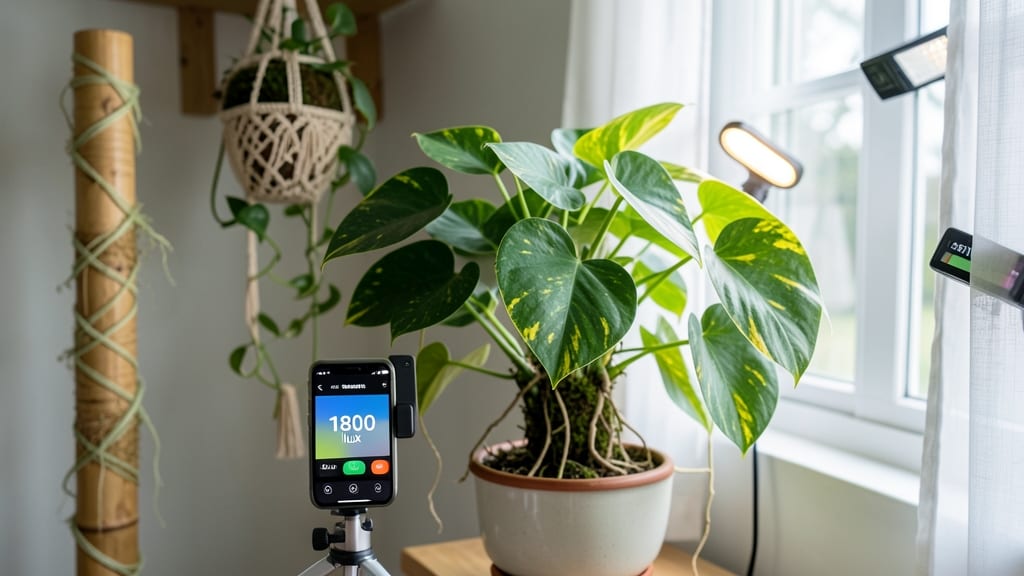
If you’re wondering how much light does a Chinese Money Plant need to thrive, the answer is key to reviving those droopy leaves and sparse growth—because this tropical beauty is far more sensitive to lighting than most beginners realize.
Too much sun or too little can send it into a slow decline, and without the right balance, even the hardiest plants struggle to bounce back.
The good news? With just a few simple adjustments, you can transform that struggling plant into a lush, vibrant centerpiece.
I’ll break down exactly how much light your Chinese Money Plant needs—whether you’re dealing with a dim corner or a sun-drenched windowsill—and what to watch for when things go off track.
We’ll cover the ideal light levels, how to spot signs of stress, and even the best window spots for keeping your plant happy year-round. No more guessing—just clear, actionable tips to help your Chinese Money Plant flourish in your space.
Ready to give your plant the perfect light setup? Let’s get started—your Chinese Money Plant will thank you with bigger, brighter leaves in no time.

Ideal light requirements for chinese money plant growth and leaf development
The Chinese Money Plant (Pachira aquatica) thrives in bright indirect light, making it perfect for indoor growers with limited direct sunlight. This tropical beauty naturally grows under the canopy of rainforests, where dappled light filters through leaves.
Too little light causes leggy growth, while too much direct sun leads to leaf scorch. Understanding the light spectrum helps you replicate its native conditions.
For optimal leaf development, aim for 4-6 hours of bright indirect light daily. This light intensity supports the plant's natural growth pattern, producing those iconic round, coin-like leaves.
Variegated varieties (with cream or yellow patterns) need slightly more light to maintain their color contrast, while solid green types are more forgiving. Think of it like a sunbathing balance—enough to fuel growth but not enough to cause stress.
| Light Condition | Ideal Hours/Day | Leaf Impact | Growth Effect |
|---|---|---|---|
| Low Light (<30%) | 2-3 hours | Small, pale leaves | Leggy, sparse growth |
| Medium Light (30-50%) | 4-6 hours | Medium-sized, vibrant leaves | Balanced, bushy growth |
| Bright Indirect (50-70%) | 6-8 hours | Large, glossy leaves | Fast, healthy growth |
| Direct Sun (>70%) | >8 hours | Brown, crispy edges | Stunted, stressed growth |
In low-light conditions, your Chinese Money Plant will stretch toward light sources, producing smaller, less vibrant leaves. This is its survival mechanism—think of it as reaching for sunlight through forest gaps.
To counteract this, rotate the pot quarter-turns weekly to ensure even growth. For variegated varieties, insufficient light can cause the cream patterns to fade, turning leaves solid green.
On the opposite end, direct sunlight causes leaf burn, visible as brown or yellow patches on leaf edges. This happens when UV rays exceed the plant's tolerance, similar to how human skin burns after too much sun exposure.
If you notice these signs, move the plant further from the window or use a sheer curtain to diffuse the light. South-facing windows are the riskiest—even with indirect light—so consider placing your plant 3-4 feet away.
For optimal leaf size and shape, aim for medium to bright indirect light. This creates the perfect balance: large, glossy leaves with vibrant colors.
The coin-shaped leaves are a hallmark of healthy growth, and you'll notice them developing best when the plant receives consistent morning sunlight and afternoon shade. This mimics the dappled light of its rainforest habitat, where sunlight filters through the canopy in patches.
Seasonal adjustments are key. During winter months, natural light decreases, so supplement with a grow light if leaves start yellowing. In summer, watch for increased sunlight intensity—move the plant back from windows if you see leaf crisping.
A simple trick is to touch-test leaves: healthy leaves feel firm and slightly leathery, while stressed leaves may feel soft or papery.
Pro tip: Use a light meter app (like Light Meter for smartphones) to measure light levels in your home. Aim for 1,000-3,000 lux for ideal growth. Most east-facing windows provide this naturally, while west-facing windows can exceed it in afternoon hours.
If you're unsure, start with a north-facing window—it offers the gentlest, most consistent light.
Remember, the Chinese Money Plant is adaptable, but it communicates its needs through its leaves. Pay attention to color, size, and texture—they’re your plant’s way of saying, "I need more light" or "I’m getting too much."
With the right balance, you’ll reward yourself with a lush, coin-leafed beauty that’s the star of your indoor garden.
Ideal light requirements for chinese money plant growth and leaf development
The Chinese Money Plant (Pachira aquatica) thrives in bright indirect light, making it perfect for homes with natural light but no harsh sun exposure. This tropical plant mimics its native understory environment, where dappled sunlight filters through the canopy.
Too much direct sun causes leaf scorch, while too little light leads to leggy, sparse growth.
For optimal growth, aim for 4-6 hours of bright indirect light daily. This means placing your plant near an east-facing window (gentle morning sun) or north-facing window (consistent, soft light). South-facing windows can work but require sheer curtains to diffuse intensity, especially during peak afternoon hours.
| Light Condition | Leaf Development | Growth Impact |
|---|---|---|
| Bright Indirect (Ideal) | Large, glossy, deep green leaves | Compact, bushy growth; 4-6" new leaves/year |
| Low Light (<3 hours) | Small, pale yellow leaves; sparse | Leggy stems; growth stunts (1-2" new growth/year) |
| Direct Sun (>3 hours) | Brown crispy edges; bleached patches | Slowed growth; leaf drop in severe cases |
Variegated varieties (like 'Variegata') need slightly more light to maintain their creamy white patterns. Without enough light, the white sections revert to green, losing their striking appearance. Rotate your plant quarter-turn weekly to ensure even light exposure and prevent lopsided growth toward the light source.
In winter, when natural light dims, supplement with a 10-12" LED grow light (6000K color temperature) for 12-14 hours daily. Position it 12-18 inches above the plant to mimic the bright indirect light it craves. Avoid placing it too close, or you’ll risk light burn on delicate leaves.
Pro tip: Test your light levels with a light meter app (aim for 1000-3000 lux). If your space falls short, group plants together—their combined foliage creates a microclimate that boosts overall light absorption.
Remember, the key to happy Chinese Money Plant leaves is consistency. Sudden changes in light (like moving from a bright window to a dark corner) cause stress. Gradual adjustments over 1-2 weeks help the plant adapt without shock.