Plants
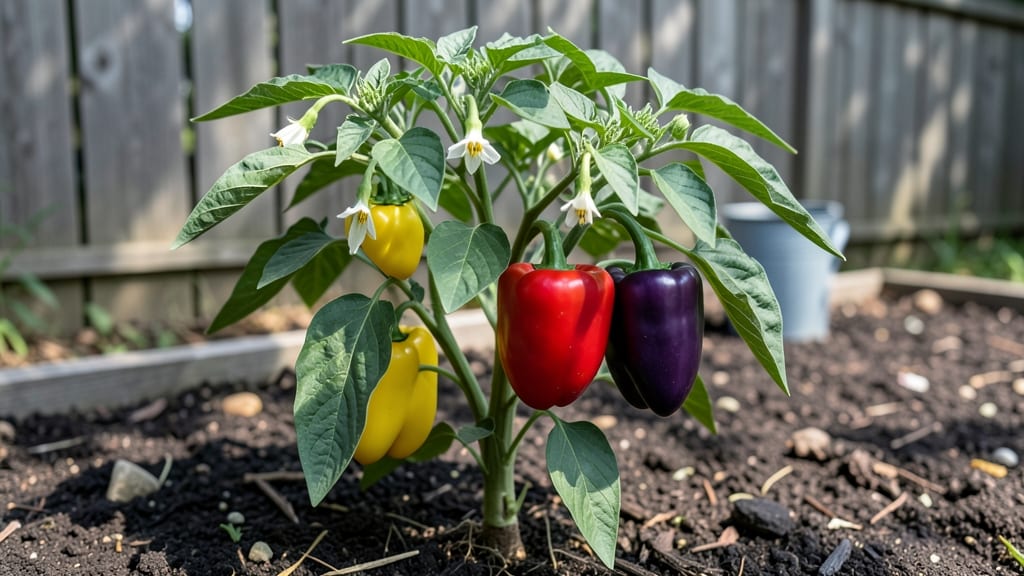
If you're planning to grow bell peppers this spring, one of the first questions you’ll ask is how tall does a bell pepper plant grow—because that determines everything from spacing to support.
These plants can range from compact 1-foot dwarfs perfect for containers to towering 4-foot giants that need sturdy trellises. The right variety for your space makes all the difference in yield and ease of care.
For most gardeners in USDA Zone 6a, standard varieties like California Wonder typically hit 3-4 feet tall, while smaller types like 'Snackable' stay under 2 feet. Understanding these differences helps you avoid overcrowding or struggling with floppy plants later.
Whether you're working with a balcony garden or a full backyard plot, choosing the right height variety sets you up for success.
Beyond just height, factors like sunlight, pruning, and soil quality can push your plants taller—or keep them more manageable. I’ll break down how to support tall varieties without sacrificing fruit production, plus space-saving tips for smaller gardens. Let’s get your bell peppers thriving from seed to harvest!
Ready to pick the perfect 🌶️ for your garden? The key is matching your growing space to the plant’s mature size—so you can enjoy a bountiful harvest without the headaches. Let’s dive into the details!

Bell pepper plant height: standard varieties and their growth ranges
Bell pepper plants typically grow between 2 to 4 feet tall, but their exact height depends on the variety and growing conditions. Most standard types reach maturity at 3 to 4 feet, while some compact varieties stay under 2 feet.
Understanding these ranges helps you plan your garden layout and choose the right support structures.
For example, the popular California Wonder variety grows 3 to 4 feet tall and produces heavy fruit loads, making it ideal for larger gardens. Meanwhile, Jalapeño peppers often stay 2 to 3 feet tall, perfect for smaller spaces or containers.
These differences matter when deciding how much space to allocate in your garden beds.
Sunlight plays a critical role in determining height. Bell peppers need 6 to 8 hours of full sun daily to reach their full potential. Without enough sunlight, plants may grow taller but leggier, stretching toward light sources.
This can weaken the stems and reduce fruit production, so proper sunlight exposure is key.
Soil quality also impacts height. Well-draining, nutrient-rich soil encourages stronger stems and healthier growth. Amend your soil with compost before planting to ensure your bell peppers have the support they need to grow upright and sturdy.
Poor soil can lead to stunted growth or even top-heavy plants that struggle to support their own weight.
Pruning is another factor that influences height. Regular pruning of side shoots helps direct energy toward fruit production rather than excessive vertical growth. However, over-pruning can stress the plant and reduce yields, so balance is key. Aim to prune only the necessary shoots to maintain plant health and productivity.
| Variety | Height Range | Growth Habit | Notes |
|---|---|---|---|
| California Wonder | 3–4 ft | Bushy | Heavy producer, needs staking |
| Jalapeño | 2–3 ft | Compact | Great for containers, prolific |
| Banana Pepper | 2–3 ft | Bushy | Curved fruit, needs support |
| Sweet Banana | 3–4 ft | Vining | Needs trellis for best growth |
| Mini Bell (Dwarf) | 1–2 ft | Compact | Ideal for containers |
If you're growing bell peppers in containers, choose dwarf varieties like Mini Bell or Shishito, which stay under 2 feet tall. These compact types are perfect for balconies or small patios.
For larger gardens, taller varieties like California Wonder or Sweet Banana will thrive with proper spacing and support.
Proper spacing is crucial to prevent overcrowding, which can lead to stunted growth and disease. Space standard varieties 18 to 24 inches apart in rows 2 to 3 feet apart. For container gardening, ensure pots are at least 12 inches wide to accommodate root growth without restricting height.
Even with ideal conditions, some bell pepper plants may grow taller than expected. If you notice excessive height, consider pruning the top to encourage bushier growth and more fruit production. This technique redirects energy from vertical growth to flowering and fruiting, ensuring a better harvest.
In summary, bell pepper height varies widely based on variety, sunlight, soil, and pruning practices. By choosing the right type for your space and providing proper care, you can enjoy a bountiful harvest without sacrificing plant health or garden aesthetics. 🌱
Compact vs. giant bell pepper varieties: best choices for small spaces
Not all bell pepper plants reach the same height—some stay compact enough for 5-gallon containers, while others grow tall enough to need trellis support. If you're working with limited space, choosing the right variety can make all the difference in your harvest success.
Let’s explore the best options for small gardens and how to maximize your yield without sacrificing space.
For container gardening or tight spaces, dwarf varieties like 'Patio Baby' or 'Tiny Tim' top the list. These stay under 24 inches tall and thrive in pots, making them perfect for balconies or patios.
Meanwhile, standard varieties like 'California Wonder' can reach 3–4 feet, requiring more room to spread and grow.
🌱 Compact vs. Giant Bell Pepper Varieties
| Variety | Height Range | Best For | Space Needs |
|---|---|---|---|
| Patio Baby | 12–18" | Containers, balconies | 5-gallon pot |
| Tiny Tim | 18–24" | Small gardens, window boxes | 10-inch pot |
| California Wonder | 36–48" | In-ground beds, trellises | 18" spacing |
| Jalapeño M | 24–36" | Small plots, raised beds | 12" spacing |
If you're growing in raised beds or larger plots, semi-dwarf varieties like 'Banana Pepper' (24–30 inches) offer a middle ground. They produce abundant fruit without needing as much vertical space as their taller cousins.
For maximum yield in limited space, consider pruning techniques to encourage bushier growth and more peppers.
Taller varieties, like 'Numex RZ' or 'King of the North', can reach 4 feet or more and benefit from trellising or staking. These are ideal for gardeners with vertical space to spare, such as along fences or in greenhouse setups.
Without support, these plants may sprawl, reducing airflow and increasing disease risk.
For urban gardeners or those with limited square footage, pruning is your best friend. Pinch off the top buds early to encourage lateral growth, which results in more peppers and a bushier plant. Pair this with regular harvesting to keep the plant productive throughout the season.
No matter which variety you choose, sunlight and soil quality play critical roles in controlling height. Ensure your plants get 6–8 hours of full sun daily and use well-draining, nutrient-rich soil to support healthy growth.
With the right variety and care, even a small space can yield a bountiful bell pepper harvest!