Plants
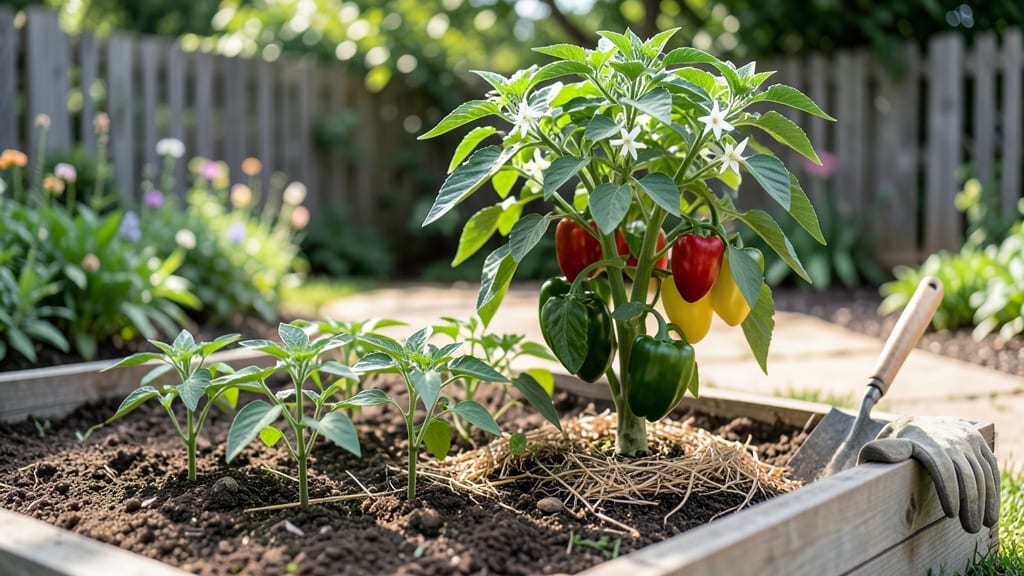
Timing your bell pepper 🌶️ planting in California isn’t just about the calendar—it’s about beating the heat and avoiding frost before your plants even sprout. One wrong move, and you’re staring at wilted seedlings or a harvest that never comes.
But nail the frost-free window, and you’ll enjoy crisp, homegrown peppers from summer through fall, no matter if you’re in coastal fog or the desert sun.
California’s microclimates throw a wrench into simple planting advice. Coastal areas like San Francisco can start as early as February, while inland valleys wait until March-April—and desert zones?
They don’t even begin until April-May. The key is soil temperature: wait until it hits 60°F+ before transplanting, or your peppers will sulk like a teenager skipping homework.
Here’s the game-changer: heat-tolerant varieties like ‘Carmen’ or ‘Jupiter’ thrive where others bolt in the sun, and I’ll break down exactly which ones to pick for your zone. Plus, I’ll share pro tips to stretch your harvest—because nobody wants their pepper party to end by September.
Ready to turn your garden into a bell pepper powerhouse? Let’s dive into the exact dates, varieties, and tricks to keep your plants happy from planting to harvest—no guesswork, just peppers.
Optimal planting dates for bell peppers in California’s microclimates
Bell peppers thrive in California’s frost-free climate, but the exact timing depends on your microclimate. Coastal areas like San Francisco have milder winters, while inland valleys (e.g., Sacramento) and desert regions (e.g., Palm Springs) demand earlier starts.
The golden rule? Plant when soil temperatures hit 60°F+ and nighttime temps stay above 50°F.
For coastal California, start seeds indoors in January or transplant young plants in February-March. Inland valleys should begin 2-4 weeks earlier (late February to early March), while desert regions wait until April-May to avoid heat stress on seedlings.
Remember: Transplant shock is worse in hot soil, so use shade cloth if temperatures spike.
Here’s your region-specific guide to avoid common mistakes like bolting (premature flowering) or stunted growth:
| Region | Last Frost Date | Ideal Transplant Window | Soil Temp Threshold | Key Risk |
|---|---|---|---|---|
| Coastal (e.g., SF, LA) | December 15 | February–March | 60°F+ | Fungal diseases (high humidity) |
| Inland Valleys (e.g., Sacramento) | January 15 | Late February–March | 65°F+ | Heat stress (early transplant) |
| Desert (e.g., Palm Springs) | January 31 | April–May | 70°F+ | Bolting (premature flowering) |
Pro tip: Use a soil thermometer to confirm readiness—bell peppers hate cold soil. If temps dip below 55°F, delay planting or use black plastic mulch to warm the soil faster. For container gardening, start seeds 6-8 weeks earlier since pots heat up quicker in sun.
In Northern California (e.g., San Francisco), aim for March 15–April 15 transplants. Here, cooler nights slow growth, so choose compact varieties like ‘Carmen’ or ‘Jupiter’ to avoid leggy plants.
In Southern California, where summers are brutal, late winter (February) is ideal—peppers will bolt by June if planted too early.
For succession planting, sow new seeds every 2-3 weeks until June to stagger harvests. This works especially well in coastal zones where mild winters allow multiple planting windows. Just avoid planting after July 1st—long days and heat will trigger bolting before peppers mature.
One critical mistake gardeners make? Ignoring microclimates within their own yard. A south-facing slope warms up faster than a shady corner, so adjust planting dates accordingly. If your garden has partial shade, opt for shorter-day varieties like ‘Aristotle’ to prevent early flowering.
Finally, harden off seedlings for 7-10 days before transplanting. Acclimate them to wind, sun, and temperature swings by gradually increasing outdoor exposure. This step alone can double your survival rate in California’s unpredictable spring weather.
🌱
Optimal planting dates for bell peppers in California’s microclimates
California’s climate varies wildly—coastal areas stay mild year-round, while inland valleys and deserts bake in summer. For bell peppers, this means your planting window shifts dramatically from San Diego to Sacramento.
The golden rule? Wait until the soil temperature hits at least 60°F—cold soil stunts roots, leading to weak plants that bolt (flower prematurely) or rot.
In coastal regions (like Santa Barbara or San Francisco), you can start transplanting seedlings as early as February, thanks to delayed frosts and cooler summers. But inland (Sacramento, Fresno) and desert (Palm Springs, Coachella) zones need to wait until March or April when nights warm up.
Even a single cold snap below 50°F can shock young plants, so check your local USDA hardiness zone (California ranges from 9a to 11).
| Region | Last Frost Date | Ideal Transplant Window | Soil Temp Threshold | Harvest Window |
|---|---|---|---|---|
| Coastal (San Diego, Santa Barbara) | December 15 | February–March | 60°F+ | June–October |
| Inland Valleys (Sacramento, Fresno) | January 15 | March–April | 65°F+ | May–September |
| Desert (Palm Springs, Coachella) | January 31 | April–May | 70°F+ | July–September |
If you’re starting seeds indoors, begin 8–10 weeks before your last frost date—this gives seedlings enough time to grow 4–6 inches tall before transplanting. Use grow lights if natural light is weak in winter.
For container gardens, opt for compact varieties like ‘Aristotle’ and plant in 5-gallon pots—they warm up faster than in-ground soil. Pro tip: Black plastic mulch raises soil temps by 5–10°F, speeding up germination and growth.
Heat stress is the #1 enemy after planting. In desert regions, afternoon temps can exceed 100°F, causing peppers to stop fruiting or develop sun scorch. To combat this, use shade cloth (30–50%) during peak heat and drip irrigation to keep roots cool. In coastal areas, morning fog can delay warming—plant on south-facing slopes or raised beds to maximize sun exposure. Always harden off seedlings for 7–10 days before transplanting to avoid shock.
For a second harvest, try succession planting in late summer (August–September) for coastal zones. Choose fast-maturing varieties (like ‘Jupiter’) and use row covers to protect young plants from unpredictable evening chills.
In USDA Zone 10+, you can even plant year-round with consistent watering and light fertilizing—just watch for aphids and spider mites, which thrive in warm, dry conditions.
Timing isn’t just about months—it’s about microclimates. A valley garden might be 10°F warmer than a coastal one just miles away. Use a soil thermometer ($10 at garden centers) to confirm readiness. Once planted, mulch heavily with straw or wood chips to retain moisture and regulate temps.
With the right timing, you’ll go from seed to harvest in just 75–90 days—and enjoy peppers fresh from your garden all summer long.