
Plants
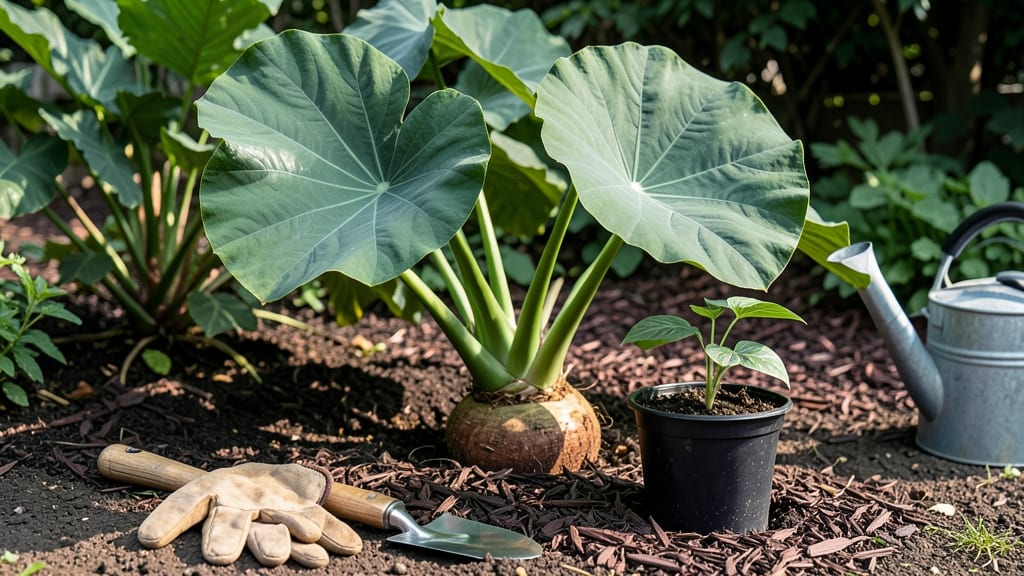
Timing your Elephant Ear 🌿 planting in Oklahoma isn't just about avoiding frost—it's about giving these bold beauties the perfect head start for Oklahoma's brutal summer heat.
If you plant too early, you risk stunted growth or even lost tubers, while waiting too long means missing out on the dramatic foliage that makes gardens pop.
Most Oklahoma gardeners wait until after the last frost, typically late April to early May, when soil temperatures hit that sweet spot of 60°F+.
But here's the catch: urban areas like Oklahoma City can run 10°F hotter than rural spots, so your neighbors' perfect timing might not work for you. I'll break down exactly how to adjust your schedule based on your microclimate.
You'll also discover why partial shade is non-negotiable in Oklahoma's intense sun, and how to prep your soil to handle the heavy clay that's so common here.
Whether you're a first-time planter or a seasoned gardener, these insights will help you grow Elephant Ears that thrive all summer long—without the guesswork.
Let's dive into the exact steps to time your planting for maximum impact, because in Oklahoma, getting it right means the difference between wilted disappointment and show-stopping foliage that turns heads all season.
Oklahoma’s best planting zones and microclimates for elephant ears
Oklahoma’s USDA zones 6b-8a create a unique challenge for growing elephant ears (Colocasia spp.). While these tropical-looking plants love heat, they need warm soil and protection from late spring frosts that can still hit northern regions like Oklahoma City and Tulsa into early May.
The key? Understanding your local microclimate—whether you’re in a urban heat island or a rural valley—to time planting for maximum success.
Most Oklahoma gardeners should wait until after the last frost date, typically late April to early May, but this varies by 1-2 weeks depending on elevation and proximity to Lake Texoma or Arbuckle Mountains.
For example, Ardmore (zone 7b) can plant 2 weeks earlier than Norman (zone 7a), thanks to its warmer microclimate. Heat-tolerant varieties like 'Black Stem' and 'Mojito' handle Oklahoma’s 90°F+ summers better than delicate Alocasia types.
Urban gardeners in Oklahoma City or Tulsa face an extra challenge: asphalt heat islands can push soil temps 10°F+ higher than rural areas, making early May ideal for container planting.
Meanwhile, western Oklahoma (e.g., Lawton) benefits from drier heat, reducing fungal risks for elephant ears. Always test soil warmth with a soil thermometer—aim for 60°F+ before planting.
Here’s how Oklahoma’s regional microclimates affect planting timing:
| Region | USDA Zone | Last Frost Date | Ideal Planting Window | Microclimate Notes |
|---|---|---|---|---|
| Northern OK (Tulsa, OKC) | 6b-7a | April 20–May 5 | Late April–early May | Urban heat islands; wait for soil ≥60°F |
| Central OK (OKC suburbs) | 7a-7b | April 10–April 25 | Mid-April–early May | Moderate heat; clay soil needs amendment |
| Southern OK (Ardmore, Lawton) | 7b-8a | March 25–April 10 | Early April–mid-April | Drier heat; less fungal risk |
| Western OK (Altus, Woodward) | 6b-7a | April 25–May 5 | Late April–early May | Higher elevation; cooler nights |
For container gardening, you can plant 2-3 weeks earlier since pots warm up faster. Fill containers with moisture-retentive mix (50% peat moss, 50% perlite) to mimic Oklahoma’s clay-heavy soil while preventing waterlogging.
If you’re in zone 6b, consider starting tubers indoors under grow lights in late March for a head start.
Pro tip: Mulch heavily with 3–4 inches of straw after planting to insulate roots and retain moisture. This is critical in Oklahoma’s sweltering summers, where elephant ears can wilt without consistent moisture. Choose shade-tolerant varieties like 'Illustris' or 'Pink China' for urban gardens with limited afternoon sun.
One common mistake? Planting too early in cool, wet springs. Elephant ears rot in cold, soggy soil, so always check 7-day forecasts for frost risks. If your area has unpredictable late frosts (like northern Oklahoma City), opt for container planting near a south-facing wall for extra warmth.
Remember, Oklahoma’s microclimates can shift dramatically over just a few miles. Drive through your neighborhood and observe where morning sun lingers or where shade appears by noon. These microclimates
Step-by-step planting timeline by Oklahoma region (north vs. south)
Timing your elephant ears in Oklahoma depends heavily on whether you're in northern or southern regions. Northern Oklahoma—think Tulsa and Oklahoma City—has later last frost dates (around April 15), while southern areas like Ardmore can plant as early as mid-March in sheltered spots.
Always wait until soil temperatures hit 60°F+ to ensure roots establish properly.
For container gardening, you can start 2-4 weeks earlier in both regions since pots warm faster. Just move containers indoors or use row covers if nighttime temps dip below 50°F.
Southern Oklahoma gardeners often enjoy a longer growing season—up to 6 months—compared to northern areas with 4-5 months of ideal growth.
Here’s how to align your planting with Oklahoma’s microclimates for maximum foliage impact:
Oklahoma’s clay-heavy soil can be a challenge, but amending it with compost or peat moss improves drainage and warmth. Test your soil’s pH—elephant ears prefer 6.0–7.5. If your yard is alkaline (common in Oklahoma), add sulfur or pine needles to lower pH gradually.
For containers, use a mix of potting soil, perlite, and coco coir to mimic ideal conditions.
Once planted, water deeply 2–3 times per week in summer heat, focusing on the root zone. Southern Oklahoma may need daily watering during heatwaves, while northern areas can stretch to every 5 days if mulched.
Avoid overhead watering to prevent leaf diseases like bacterial blight, which thrives in Oklahoma’s humid summers.
Pro tip: Plant heat-tolerant varieties like 'Black Stem' or 'Mojito' for southern Oklahoma’s intense sun. In northern regions, opt for 'Illustris' or 'Pink Queen', which handle cooler nights better. Both groups will reward you with bold foliage that’s the star of any Oklahoma garden bed.
🌿