
How To
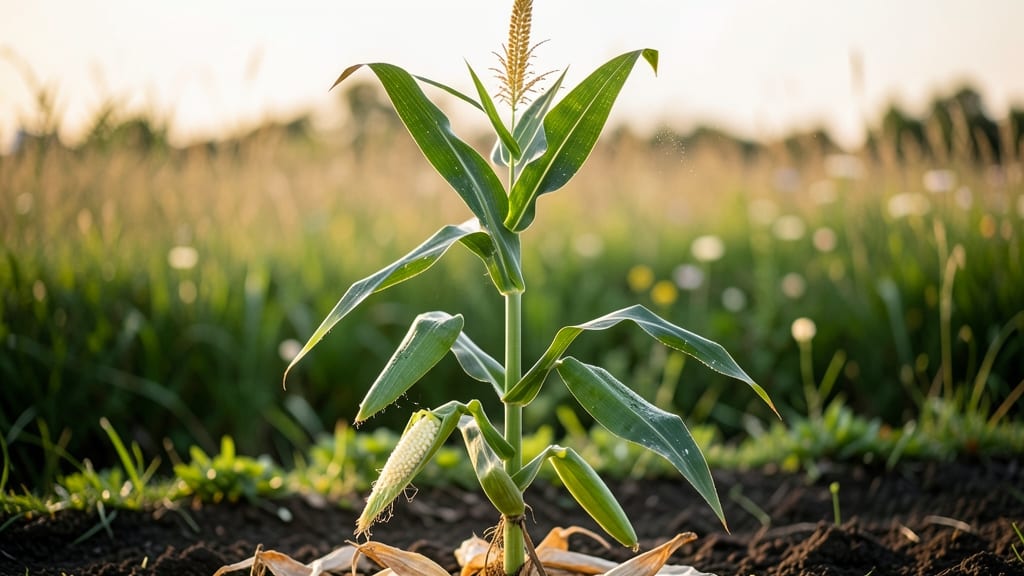
If you've ever stared at a towering 🌽 corn plant and wondered how tall this corn plant can grow, you're not alone. The height of your corn plants can swing wildly—from compact 3-foot dwarf varieties to 12-foot giants that need serious space.
Getting this right isn't just about aesthetics; it directly impacts your harvest and how much room you'll need in your garden.
Most gardeners assume all corn plants reach the same height, but the truth is far more interesting. Sweet corn varieties typically range from 5 to 9 feet, while field corn can stretch even taller.
Even within sweet corn, you'll find dwarf types perfect for small gardens and standard varieties that need room to stretch their legs. Knowing these differences helps you plan your garden layout and avoid overcrowding.
I'll break down exactly how tall different corn varieties grow, what affects their height, and how to give them the space they need to thrive. Whether you're working with a tiny urban garden or a spacious backyard, understanding these height variations is the key to a successful harvest.
Let's dive into the specifics so you can grow corn like a pro.
From choosing the right variety for your space to avoiding common mistakes that stunt growth, you'll learn everything you need to know. By the end, you'll have a clear picture of how much room your corn plants will need—and how to maximize your garden's potential.
Ready to grow taller, healthier corn? Let's get started.

Corn plant height by variety: from dwarf to giant stalks
When planning your garden, knowing how tall your corn plants will grow is essential for spacing and layout. Corn varieties range from dwarf types under 4 feet to giant stalks exceeding 10 feet.
This variety allows gardeners to choose based on space, whether you have a small balcony or a sprawling backyard. The height directly impacts how many plants you can fit per row and even how you arrange your garden beds.
Most home gardeners grow sweet corn varieties, which typically reach 6-9 feet at maturity. However, some specialty types like field corn or popcorn can grow even taller, sometimes exceeding 12 feet.
Understanding these differences helps you plan for support structures, wind resistance, and even companion planting to maximize your garden's efficiency.
Below is a breakdown of common corn varieties by height category, including specific examples to help you visualize what to expect in your garden. Dwarf varieties are perfect for containers or small gardens, while standard and giant types need more space and sturdy support.
| Variety Type | Height Range | Examples | Best For |
|---|---|---|---|
| Dwarf | 3–5 feet | 'Little and Lovely', 'Golden Bantam' | Containers, small gardens |
| Semi-Dwarf | 6–8 feet | 'Silver Queen', 'Peaches and Cream' | Standard garden beds |
| Standard | 8–10 feet | 'Country Gentleman', 'Kandy Korn' | Large gardens, rural areas |
| Giant | 10–12+ feet | 'Miracles', 'Field Corn' | Open fields, windbreaks |
Choosing the right corn variety depends on your garden's size and layout. For example, dwarf varieties like 'Golden Bantam' are ideal for container gardening or small urban plots, while standard types like 'Country Gentleman' need ample space and may require staking to prevent lodging.
Always check the seed packet for mature height estimates, as even within categories, there can be slight variations.
Another factor to consider is the growth habit of your corn. Some varieties grow upright and compact, while others may lean or spread, especially in windy conditions.
If you're growing tall corn, consider planting near a windbreak or using trellises to support the stalks. This not only prevents damage but also makes harvesting easier.
For sweet corn, height isn't the only consideration—maturity timing also plays a role. Shorter varieties often mature faster, which is great for early harvests, while taller types may take longer but produce larger ears.
If you're growing multiple varieties, stagger planting times to ensure a continuous harvest throughout the season.
In my own garden, I've found that semi-dwarf varieties strike the best balance. They're tall enough to produce abundant ears but don't overwhelm my garden layout. For instance, 'Silver Queen' reaches about 7 feet and fits perfectly between my tomato plants and beans.
This arrangement also allows for companion planting, where the corn provides shade for shallower-rooted plants while benefiting from their nitrogen contributions.
If you're new to growing corn, start with a dwarf or semi-dwarf variety to get a feel for the plant's needs. These types are more forgiving in terms of spacing and support, making them ideal for beginners.
Once you're comfortable, you can experiment with taller varieties and more advanced growing techniques like succession planting or intercropping.
Remember, the height of your corn plants isn't just about aesthetics—it directly impacts your yield and ease of care. Taller plants may produce more ears but require more space and resources.
Always match your variety to your garden's conditions and your personal goals, whether that's maximizing harvests or creating a visually appealing layout.
🌽
How corn height affects planting spacing and garden layout
Choosing the right spacing for your corn plants isn’t just about preventing overcrowding—it’s about ensuring optimal pollination and maximum ear development.
Tall corn varieties like 'Country Gentleman' (10+ ft) need 36+ inches of space between plants, while dwarf varieties like 'Little and Lovely' (3-4 ft) can thrive in tighter 12-inch spacing. Proper spacing also prevents disease spread and improves air circulation around the stalks.
When planning your garden layout, consider planting corn in blocks or squares rather than single rows. This encourages cross-pollination, which is crucial for ear formation. For example, a 4x4 foot block of medium-height corn (6-8 ft) will yield more consistently than a single row.
Tall varieties may also benefit from staking or trellising to prevent lodging (falling over) in windy conditions.
Vertical gardening is a game-changer for small spaces or urban gardens. Use corn trellises or bamboo stakes to support tall varieties, freeing up ground space for other crops. Even dwarf corn can climb a low trellis to keep ears off damp soil, reducing rot risk. Just ensure your trellis is sturdy enough to support mature stalks—some can weigh 20+ pounds when fully loaded with ears!
- Dwarf varieties (3-5 ft): 12–18 inches apart in dense blocks (e.g., 'Golden Bantam').
- Medium varieties (6-8 ft): 24–30 inches apart in 4x4 foot squares (e.g., 'Silver Queen').
- Tall varieties (8-12+ ft): 36+ inches apart with trellis support (e.g., 'Country Gentleman').
- Companion plants: Interplant with beans or squash to improve soil nitrogen and deter pests.
- Row spacing: 30–36 inches between rows for easy access and airflow.
For container gardening, choose dwarf or semi-dwarf varieties and use large pots (15+ gallons) with at least 12 inches of depth. Place pots in full sun and water consistently, as containers dry out faster than garden soil.
If you’re short on space, consider intercropping with shallow-rooted plants like lettuce or radishes until the corn reaches maturity.
One common mistake is underestimating wind exposure. Tall corn (8+ ft) acts like a sail in breezy conditions, so plant it near windbreaks like fences or hedges. If you’re in a high-wind area, stake or cage your tallest varieties early to prevent lodging.
Even dwarf corn can benefit from light support if your garden is prone to storms.
Finally, rotate your corn planting location yearly to prevent soil depletion and disease buildup. Corn is a heavy feeder, so amend the soil with compost or aged manure before planting.
By matching your variety’s height to your garden’s space and conditions, you’ll set yourself up for a bountiful, healthy harvest—no matter how big (or small) your plot is!