
How To
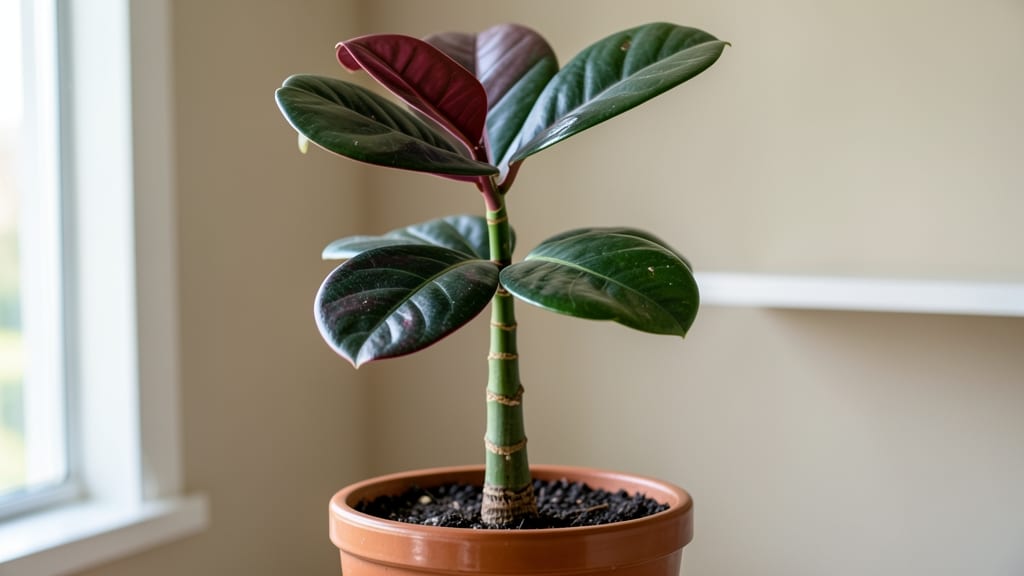
Wondering how tall your rubber plant 🌿 could grow—and whether it’ll soon tower over your living room? The answer depends on more than just time, because these glossy-leafed giants have surprising height potential that varies wildly by variety and care.
Some rubber plants stay compact at just 3 feet, perfect for shelves, while others stretch toward 10 feet or more with the right conditions. The key isn’t just patience—it’s understanding how light, pruning, and even your pot size influence vertical growth.
I’ll break down exactly what to expect for different types and how to steer your plant toward your ideal height.
If you’ve ever watched your rubber plant shoot up overnight (or barely grow at all), you’re not imagining things—growth speed can shift dramatically based on simple factors like watering habits or where you place it.
Let’s explore the science behind rubber plant height and how to shape your plant’s future before it’s too late.
From dwarf varieties that stay manageable to towering specimens that become living room statements, we’ll cover everything you need to know. Whether you’re dealing with a 6-foot surprise or hoping for bushier growth, these insights will help you take control of your rubber plant’s destiny.

Rubber plant height by variety: from compact to towering giants
The rubber plant (Ficus elastica) is famous for its dramatic height variations—some stay compact while others become towering indoor trees. Your plant’s mature height depends entirely on its variety, care, and pruning habits.
For example, the ‘Black Prince’ variety typically reaches 6-10 feet indoors, while the ‘Tineke’ (variegated) stays shorter at 3-6 feet with proper maintenance. Understanding these differences helps you set realistic expectations and plan your space accordingly.
Most rubber plants grow 1-2 feet per year under ideal conditions, but some varieties like ‘Robusta’ can grow 3 feet annually if given optimal light and nutrients. The key factors influencing height are genetics (variety), light exposure, and pruning frequency.
For instance, a ‘Decora’ rubber plant left unpruned in bright indirect light will dwarf a neglected ‘Variegata’ in low light. Let’s break down the height expectations for the most popular varieties.
🌱 Did You Know?
📋 Height Expectations by Variety
| Variety | Mature Height (Indoors) | Growth Rate (Per Year) | Leaf Size | Notes |
|---|---|---|---|---|
| Ficus elastica ‘Decora’ | 6–10 ft | 1–2 ft | Large (8–12 in) | Classic variety; thick stems |
| Ficus elastica ‘Black Prince’ | 6–10 ft | 1.5–2.5 ft | Medium (6–8 in) | Dark purple-black leaves |
| Ficus elastica ‘Tineke’ | 3–6 ft | 1–1.5 ft | Small (4–6 in) | Variegated cream/pink edges |
| Ficus elastica ‘Variegata’ | 4–8 ft | 1–2 ft | Medium (6–10 in) | Cream/yellow variegation |
| Ficus elastica ‘Robusta’ | 8–12 ft | 2–3 ft | Very large (10–14 in) | Fastest-growing; thickest stems |
The ‘Robusta’ variety is the tallest-growing rubber plant, often reaching 12 feet indoors if unpruned. Its thick, sturdy stems make it ideal for creating dramatic vertical statements in large spaces.
Meanwhile, the ‘Tineke’ and ‘Variegata’ varieties are perfect for smaller spaces like bookshelves or desks, as their variegated leaves add visual interest without overwhelming the room.
If you’re growing a rubber plant for air purification, taller varieties like ‘Decora’ or ‘Robusta’ will filter more air due to their larger leaf surface area.
Light exposure plays a huge role in determining height. Rubber plants grown in bright indirect light (like an east-facing window) will grow taller and faster
Rubber plant height by variety: from compact to towering giants
Your rubber plant’s mature height depends entirely on its variety, with some staying under 3 feet while others stretch toward 10 feet or beyond. The Ficus elastica family includes dramatic differences in leaf size, branching patterns, and stem thickness—all of which influence how tall your plant will grow.
For example, the ‘Tineke’ variety stays compact with its variegated leaves, while the ‘Black Prince’ can become a striking vertical statement piece.
Even within the same species, growth habits shift based on care. A ‘Decora’ rubber plant might top out at 6 feet indoors with minimal pruning, but the same variety could reach 12 feet outdoors in ideal conditions.
Understanding these differences helps you set realistic expectations and plan for your plant’s future size—whether you’re aiming for a shelf-sized centerpiece or a living room focal point.
🌿
| Variety | Mature Height (Indoors) | Growth Rate (Year 1) | Leaf Size |
|---|---|---|---|
| ‘Tineke’ | 3–5 ft | 1–2 ft | Medium (variegated) |
| ‘Black Prince’ | 6–10 ft | 2–3 ft | Large (deep purple) |
| ‘Decora’ | 5–8 ft | 1.5–2.5 ft | Large (green) |
| ‘Variegata’ | 4–7 ft | 1–2 ft | Medium (cream/yellow) |
If you’re growing your rubber plant outdoors, expect 20–50% faster growth compared to indoor conditions. The ‘Black Prince’, for example, can hit 12 feet in just 3–4 years with full sun exposure and consistent moisture.
Meanwhile, varieties like ‘Tineke’ remain more manageable outdoors, staying between 4–6 feet unless heavily fertilized. The key to controlling height outdoors lies in pruning and training—something I’ll cover in the next section.
Leaf size also plays a role in height potential. Larger leaves, like those on the ‘Decora’, require more energy to produce, which can slow vertical growth but create thicker stems. Smaller-leaved varieties, such as ‘Variegata’, may grow taller more quickly but with thinner stems that need support.
This trade-off explains why some rubber plants look leggy while others develop sturdy trunks.
For indoor growers, light exposure is the biggest factor in height control. A rubber plant in a south-facing window will stretch aggressively toward light, while one near a north-facing window grows slower but bushier.
If your plant is already reaching for the ceiling, it’s likely searching for more light—time to adjust its position or supplement with a grow light.
🌳