
How To
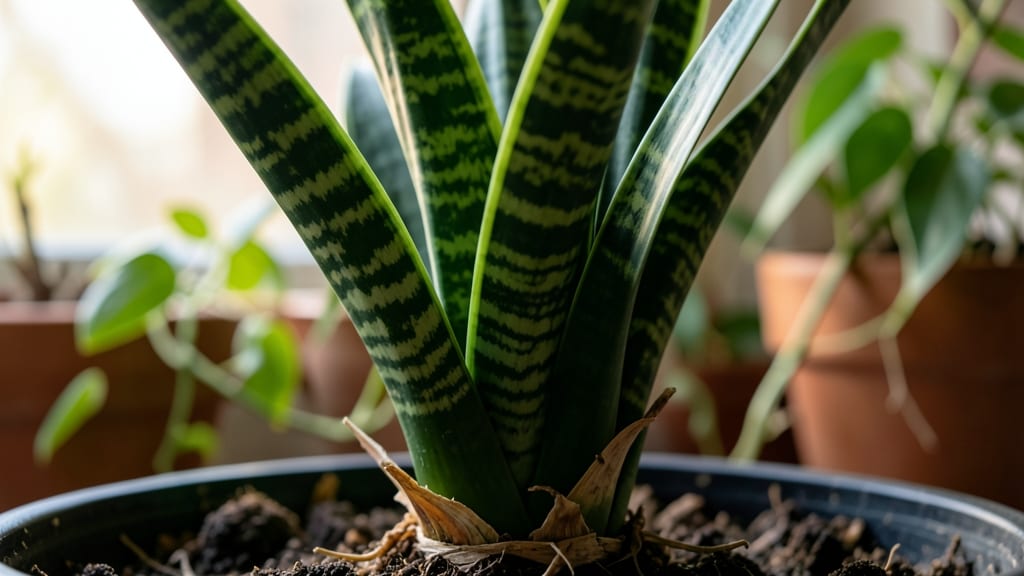
If you're wondering "snake plant how tall do they grow", you're about to get the exact answer—because these resilient plants don’t follow a one-size-fits-all rule.
Some varieties stay compact enough for a windowsill, while others stretch toward the ceiling, and the difference often comes down to the species you’ve got.
Whether you’re planning your next plant layout or just curious about your 🌱’s future, knowing these growth ranges will help you set realistic expectations (and avoid a surprise skyscraper in your living room).
The most common types, like the classic Sansevieria trifasciata, typically reach 2 to 4 feet tall when mature, but some dwarf varieties barely scrape 1 foot. Growth speed depends on light, pot size, and even the season—so your plant’s height isn’t just luck.
I’ll break down how each variety stacks up, plus the simple tweaks you can make to steer your snake plant toward your ideal height. Let’s get into the details.
What’s surprising is how much light exposure shapes their growth. Too little, and your plant might stay stunted; too much direct sun, and it could grow leggy or develop brown tips.
The good news? Snake plants are forgiving, so even if you’re not a plant parent by trade, you can still guide their height with minimal effort. Ready to learn how?
We’ll also tackle the biggest misconceptions—like whether taller plants always mean healthier ones (spoiler: not always) and how to prune them safely if they’ve outgrown their welcome. By the end, you’ll know exactly what to expect from your snake plant’s growth journey, no guesswork included.

Snake plant height by variety: exact growth ranges and mature sizes
If you're asking, "how tall do snake plants grow?" the answer varies dramatically by variety. Some stay compact at 1-2 feet, while others tower up to 4 feet tall under ideal conditions.
The key difference? Genetics, pot size, and light exposure all play roles in determining your snake plant's mature height.
Most snake plant varieties fall into three height categories: dwarf (1-2 feet), standard (2-3 feet), and tall (3-4 feet). For example, the popular Sansevieria 'Moonshine' stays under 2 feet, while Sansevieria 'Futura Superba' can reach 4 feet with proper care.
Your plant's height also depends on its growth rate. Snake plants grow slowly—typically 4-6 inches per year—but with optimal conditions (bright indirect light, well-draining soil, and occasional repotting), some varieties can grow 2-3 inches faster annually.
Here’s the breakdown of common snake plant varieties and their mature heights, so you can plan your space accordingly:
| Variety | Mature Height Range | Growth Rate (Annual) | Best For |
|---|---|---|---|
| Sansevieria 'Moonshine' | 1-2 feet | 3-5 inches | Small spaces, desks |
| Sansevieria 'Laurentii' | 2-3 feet | 5-7 inches | Living rooms, corners |
| Sansevieria 'Futura Superba' | 3-4 feet | 6-8 inches | Large rooms, statement plants |
| Sansevieria cylindrica | 1-2 feet | 4-6 inches | Hanging baskets, shelves |
| Sansevieria 'Hahnii' | 1-1.5 feet | 2-4 inches | Bathrooms, small offices |
Pot size matters more than you might think. A snake plant in a 6-inch pot will stay shorter (typically 1-2 feet) compared to the same variety in a 12-inch pot, which can reach its full mature height.
If you're growing a tall variety like 'Futura Superba', choose a pot with drainage holes and room to grow—but avoid oversizing, as this can slow growth.
Light exposure is another critical factor. While snake plants thrive in low to bright indirect light, those in low-light conditions (like a north-facing window) may grow 20-30% slower and stay shorter.
Conversely, placing your plant near an east or west window can encourage faster, taller growth—just avoid harsh direct sunlight, which can scorch leaves.
Pro tip: If your snake plant is growing too tall for its space, you can prune the top leaves to slow height growth. This also creates new pups (baby plants) at the base, which you can propagate for free plants!
Just be sure to use sterile pruning shears and let cuttings dry for 24 hours before planting.
Remember, snake plants are slow growers, so don’t expect dramatic changes overnight. With patience and the right conditions, your plant will reach its full genetic potential—whether that’s a compact 1-foot dwarf or a stately 4-foot giant.
🌱
Snake plant height by variety: exact growth ranges and mature sizes
If you’re staring at your snake plant wondering, "How tall will this get?", the answer depends entirely on the variety you’ve got.
The most popular types—like the classic Sansevieria trifasciata—can stretch from 2 to 4 feet tall, while dwarf varieties like 'Hahnii' (often called "Bird’s Nest") max out around 1 to 2 feet.
Even within the same species, growth habits can vary based on light exposure, pot size, and even the season. Let’s break down the exact height ranges for the most common varieties so you can predict your plant’s future.
One of the biggest misconceptions is that taller snake plants are always healthier. In reality, height isn’t a measure of health—it’s more about genetics and growing conditions.
For example, a Sansevieria cylindrica (Cylinder Snake Plant) might only reach 1 to 3 feet tall, but it’ll thrive in low light where a Sansevieria 'Futura Superba' could grow leggy and weak. Understanding these differences helps you choose the right variety for your space and care routine.
| Variety | Mature Height Range | Growth Rate | Ideal Light Conditions |
|---|---|---|---|
| Sansevieria trifasciata 'Laurentii' | 2–4 ft | Slow to moderate | Bright indirect light |
| Sansevieria 'Hahnii' (Bird’s Nest) | 1–2 ft | Very slow | Low to bright indirect |
| Sansevieria cylindrica | 1–3 ft | Moderate | Low to medium light |
| Sansevieria 'Futura Superba' | 3–5 ft | Moderate to fast | Bright indirect light |
| Sansevieria 'Moe' (Dwarf) | 1–1.5 ft | Slow | Low to medium light |
The Sansevieria trifasciata 'Laurentii' is the most common variety you’ll find, and its height range of 2 to 4 feet makes it a great mid-sized plant for shelves or floor stands.
If you’re working with limited space, the 'Hahnii' variety is your best bet—it stays compact and bushy, perfect for small windowsills or desk decor. Meanwhile, the 'Futura Superba' can become quite tall, so it’s better suited for larger rooms or as a statement plant in a corner.
Light plays a huge role in determining how tall your snake plant grows. In low-light conditions, most varieties will grow slower and stay shorter, while bright indirect light can encourage faster growth and taller leaves.
However, avoid placing your plant in direct sunlight, as this can cause leaf scorch and stunt growth. If you notice your snake plant stretching toward the light, it’s a sign it needs a brighter spot—but not too bright!
Pot size also affects height. Snake plants in smaller pots will grow more slowly and stay shorter, while those in larger containers have room to develop taller leaves.
If you’re concerned about your plant outgrowing its space, consider repotting into a slightly larger container every 2 to 3 years to encourage controlled growth. Just make sure the pot has drainage holes to prevent root rot—a common issue with overwatered snake plants.
One final tip: If you’re growing a snake plant for its aesthetic appeal, don’t worry too much about height. These plants are incredibly low-maintenance and will adapt to your space over time.
Whether you end up with a 1-foot dwarf or a 4-foot giant, your snake plant will thrive as long as you provide the right conditions. Now that you know the exact height ranges, you can plan your space—and your pruning schedule—like a pro!