
Companion Plants
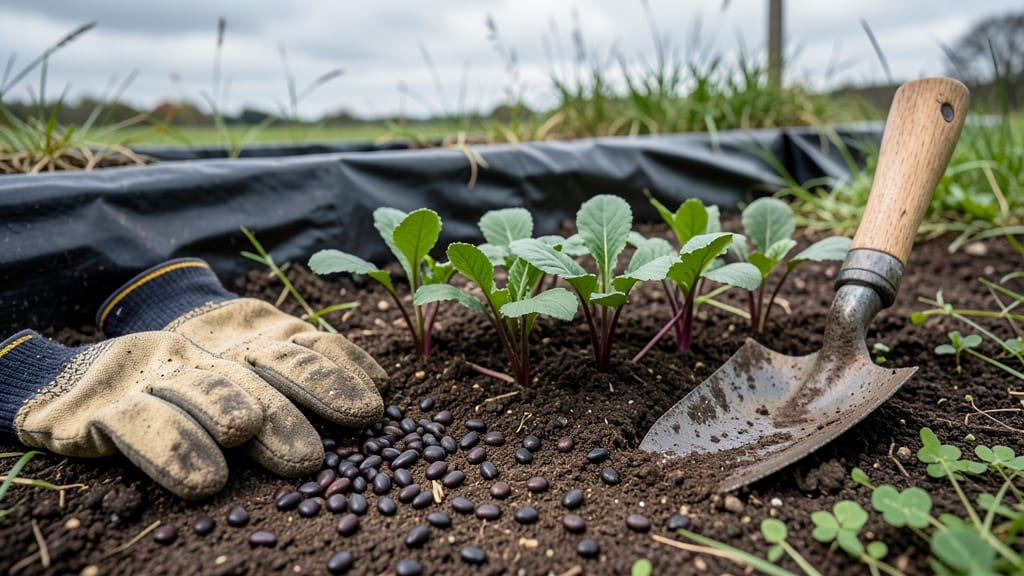
Timing your beet planting in Zone 7 can mean the difference between sweet, tender roots and bitter, leafy disappointments—so getting it right is everything. The ideal window for sowing these 🍠 gems is early spring (March-April) or late summer (July-August), when soil temperatures stay cool enough to prevent bolting.
Why does this matter? Beets bolt—sending up flower stalks—when stressed by heat, and that ruins their flavor. In Zone 7, where last frosts typically hit around mid-April, planting too early risks frost damage, while waiting too late risks summer heat. The key is balancing soil warmth with air temperatures.
But here’s the good news: You don’t have to guess. I’ll walk you through exactly when to plant for your specific microclimate, how to extend your harvest season, and which beet varieties handle heat best. No more wasted seeds or bitter harvests—just crisp, delicious roots all season.
Let’s dive into the frost-free timeline that’ll keep your beets thriving from spring to fall, no matter where in Zone 7 you garden.

Optimal planting windows for beets in Zone 7: avoiding bolting and heat stress
In Zone 7, beets thrive when planted during two key windows: early spring and late summer. These timing strategies prevent bolting (flowering prematurely) and heat stress, ensuring sweet, tender roots. Let’s break down the ideal planting schedule and why it matters.
Your last frost date in Zone 7 typically falls around April 15, while the first frost arrives near October 15. Beets are cool-season crops, so planting too late in spring or too early in summer risks bitter roots or leafy tops instead of the harvestable roots you want.
For the best results, aim to plant beets 4-6 weeks before your last frost (early March to mid-April) and again 8-10 weeks before your first frost (late July to early August). This timing aligns with soil temperatures between 50°F and 75°F, perfect for germination and growth.
🌱 Pro Tip: Use your local USDA Plant Hardiness Zone Map to confirm your exact frost dates. Microclimates (like urban areas or valleys) can shift these dates by 1-2 weeks, so adjust accordingly.
| Planting Window | Soil Temp | Days to Harvest | Key Notes |
|---|---|---|---|
| Early Spring (March - April) | 50°F - 65°F | 50-70 days | Plant 4-6 weeks before last frost; avoid bolting. |
| Late Summer (July - August) | 60°F - 75°F | 40-60 days | Plant 8-10 weeks before first frost; use shade cloth if needed. |
| Succession Planting (Every 2-3 Weeks) | 50°F - 70°F | 50-70 days | Stagger plantings for continuous harvests. |
Beets bolt (send up flower stalks) when exposed to consistent temperatures above 80°F. To prevent this, avoid planting in peak summer heat (June) unless you use shade cloth or choose heat-tolerant varieties like 'Detroit Dark Red' or 'Golden'.
Succession planting is a game-changer in Zone 7. Sow seeds every 2-3 weeks during your planting windows to ensure a steady supply of fresh beets. This method also reduces the risk of overcrowding and pest pressure, both of which can stress plants and lead to poor yields.
If you’re unsure about your exact frost dates, check your local Cooperative Extension Service or use a frost calendar app. These resources provide hyper-local data to fine-tune your planting schedule for Zone 7a or 7b variations.
🌡️ Warning: Planting beets too early in cold soil (below 50°F) slows germination. Use row covers or wait until soil warms to speed up sprouting.
For a foolproof approach, mark your calendar for March 15 (early spring) and July 20 (late summer) as your target planting dates. These dates align with Zone 7’s average frost-free timeline and give you a 120-day growing season for two harvests.
Optimal planting windows for beets in Zone 7: avoiding bolting and heat stress
In Zone 7, your beet planting success hinges on two critical windows: early spring (March-April) and late summer (July-August). These periods keep soil temperatures between 50°F-70°F, ideal for preventing bolting—when beets prematurely flower due to heat stress.
Planting outside these windows risks either frost damage or bitter, fibrous roots.
Your last frost date is typically around mid-April, so aim to sow seeds 4-6 weeks before that date. For example, if your last frost is April 15th, start planting by March 1st.
This gives seedlings time to establish before warm weather arrives. In late summer, plant by mid-July to harvest before fall frosts hit in mid-October.
Here’s how to calculate your exact window: Check your local USDA Plant Hardiness Zone map for precise frost dates, then subtract 4-6 weeks for spring planting. For fall, count 8-10 weeks before your first frost. Microclimates matter too—low-lying areas may frost later than hillsides.
🌱 Beet Planting Timeline for Zone 7
| Season | Planting Window | Soil Temp | Key Notes |
|---|---|---|---|
| Early Spring | March 1 - April 15 | 50°F-65°F | Avoid frost; use row covers if needed |
| Late Summer | July 15 - August 15 | 60°F-70°F | Use shade cloth for heat protection |
| Succession Planting | Every 2-3 weeks | 50°F-70°F | Stagger plantings for continuous harvest |
Beets bolt when soil temperatures exceed 75°F, so late summer plantings need extra care. Use shade cloth (30-50% coverage) to lower soil temps by 10-15°F. For spring plantings, focus on well-draining soil—beets hate soggy roots. Amend clay soil with compost to improve drainage and prevent rot.
Pro tip: Plant heat-tolerant varieties like 'Detroit Dark Red' or 'Chioggia' for late summer. These hold up better in Zone 7 heat than standard types. Always sow seeds ½ inch deep and thin seedlings to 3-4 inches apart to avoid competition.
If you miss the spring window, don’t panic—just adjust your expectations. Fall plantings will yield smaller roots but still delicious greens. The key is consistency: keep soil moist and mulch heavily to maintain even temperatures. With these strategies, you’ll enjoy crisp, sweet beets from spring through fall.