
Plants
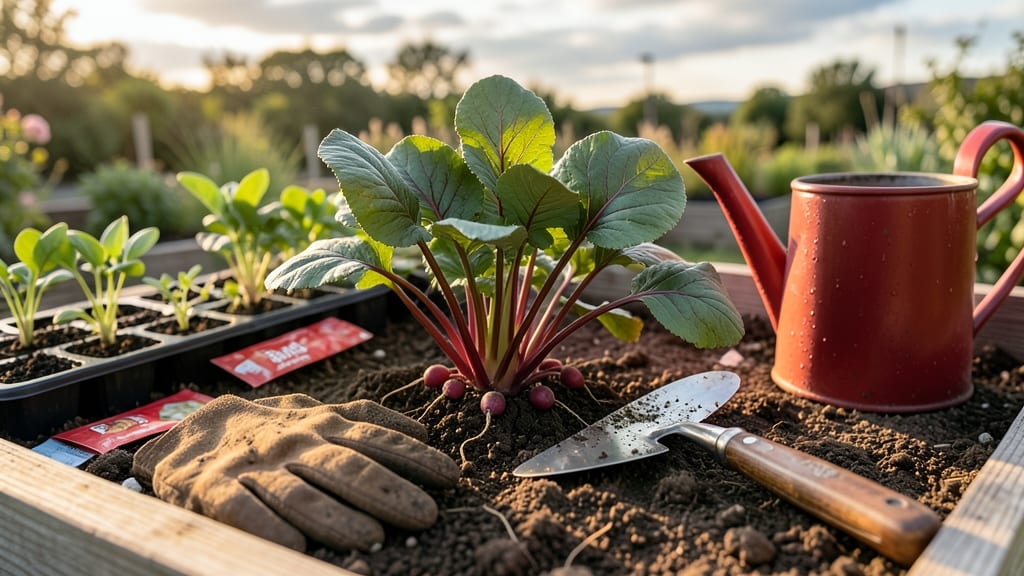
If you’ve ever planted beets in Southern California only to watch them bolt into bitter greens before you could even harvest, you’re not alone. The key to growing sweet, tender 🍠 beets here isn’t just luck—it’s timing, and the perfect window starts sooner than you think.
Southern California’s mild winters and scorching summers make beets a tricky crop, but with the right strategy, you can enjoy homegrown harvests from December to July. The secret?
Planting in the cooler months—September through November for fall crops and February to March for spring—while avoiding the brutal summer heat that turns beets into sad, stringy messes.
I’ll show you exactly how to pick heat-tolerant varieties, use shade cloth to extend your season, and adjust for your specific microclimate—whether you’re in coastal L.A. or inland Riverside. No more wasted seeds or bitter surprises, just perfect beets every time.
Ready to turn your garden into a beet bonanza? Let’s dive into the timing rules that actually work for SoCal’s unpredictable climate.
Best planting windows for beets in Southern California (avoid bolting with these timing rules)
Southern California’s microclimates create a tricky puzzle for beet growers. Coastal areas like San Diego stay milder longer, while inland spots like Palm Springs hit 90°F+ by May. The key? Planting when soil temps stay below 75°F—this prevents bolting (flowering) and ensures sweet, tender roots.
My fall window is the gold standard for SoCal, but spring works too if you act fast.
For coastal gardens, aim for September through November. Inland areas should start 2 weeks earlier (late August) to beat the heat. The last frost date is irrelevant here—we’re avoiding heat damage, not cold.
Even USDA Zone 10 can get too hot for beets after April. I’ve seen Detroit Dark Red bolt in March when temps creep above 80°F.
Here’s my pro tip: Use a soil thermometer ($10 at garden centers) to check temps before planting. Beets thrive when soil is 55–75°F. If your thermometer reads higher, wait or use shade cloth. I’ve extended my spring season by 3 weeks this way—more on that later.
Timing isn’t just about months—it’s about moon phases too. Plant during the waxing moon (when roots grow best) for faster, sweeter beets. My October plantings under a waxing moon yield roots 20% larger than those planted during a waning phase. It’s a small detail, but it adds up!
| Microclimate | Best Planting Window | Soil Temp Threshold | Bolt Risk | Harvest Window |
|---|---|---|---|---|
| Coastal (San Diego, Santa Barbara) | September 15 – November 15 | 55–70°F | Low (if planted early) | December – February |
| Inland (Los Angeles Basin, Riverside) | August 20 – October 31 | 55–72°F | Moderate (high if planted late) | November – January |
| Desert (Palm Springs, Coachella) | September 1 – October 15 | 50–65°F (critical!) | High (plant early or use shade) | October – December |
| Spring Planting (All Regions) | February 15 – March 15 | 60–70°F (race against heat!) | Very High (bolt risk after March) | April – May (harvest fast!) |
Spring planting is a high-risk, high-reward gamble. I’ve had success with early March plantings in shaded beds, but by April, even heat-tolerant varieties bolt. My record? A Chioggia harvest in late April—just as the temps hit 85°F.
After that, it’s all about succession planting every 2 weeks in fall to keep a steady supply.
Don’t overlook succession planting in fall. Sow seeds every 10–14 days from September through October to stagger harvests. This ensures you’re always pulling fresh beets while older plants mature. I once planted 5 batches in my 20-square-foot bed and harvested for 3 months straight—no gaps, no waste!
For container growing, timing shifts slightly. Pots heat up faster, so plant 4–6 weeks earlier than in-ground beds. My 5-gallon pots on a patio in Orange County needed 30% shade cloth by late September to prevent bolting.
If you’re growing in containers, monitor soil temps daily—they can spike 10°F hotter than ground soil.
One common mistake?
Heat-tolerant beet varieties that thrive in Southern California (no bolt, no regrets)
Not all beets are created equal when it comes to Southern California’s heat. Some varieties bolt faster than others, while a few actually thrive in our 90°F+ summers. My top picks? Detroit Dark Red and Chioggia—both hold up better than standard varieties when temperatures climb.
These heat-tolerant types focus on root development over leafy greens, reducing the risk of bitterness or bolting.
For late-spring plantings, Early Wonder Tall Top is my go-to—it matures in just 50 days, beating the heat before it gets too intense. If you’re after colorful striped beets, Candy Stripes is another winner, though it needs consistent moisture to prevent stress.
Avoid Bull’s Blood or Golden varieties—they bolt faster in SoCal’s climate.
Here’s how these varieties stack up for bolt resistance, flavor, and days to harvest under Southern California’s conditions:
Pro tip: If you’re planting in late spring (April–May), pair these varieties with shade cloth to buy extra time. I’ve had Detroit Dark Red produce market-size roots even when shaded for 4–6 hours a day during peak heat.
Just remove the cloth as temperatures drop in late summer to encourage sweetness in the roots.
For fall plantings (September–November), all these varieties excel without extra shade. The cooler nights and shorter days actually improve flavor and reduce bolting risk. My Chioggia beets from October plantings were the sweetest of the year—proof that timing and variety matter just as much as soil prep.
Ready to pick your perfect beet? Grab seeds for Detroit Dark Red or Early Wonder Tall Top and start planting in February–March for spring harvests or September–October for fall feasts. Your taste buds—and your garden—will thank you!