
Companion Plants
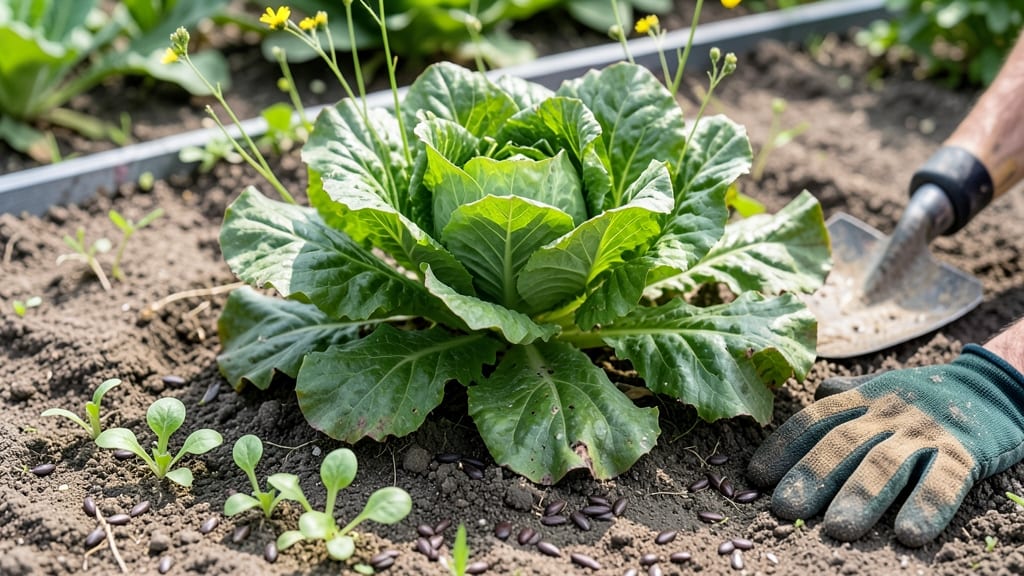
Timing your lettuce planting in Zone 6 can feel like a guessing game—plant too early, and frost ruins your crop; too late, and your crisp 🥬 lettuce bolts into bitter stems before you can harvest.
The key to success lies in understanding the frost-free window and how to work with your climate, not against it.
If you're eager to grow sweet, tender lettuce without the stress, you're in the right place. I'll break down the exact planting windows for both spring and fall, including when to start seeds indoors and when to sow directly into the garden.
No more wasted effort or disappointing harvests—just reliable, bolt-free lettuce all season.
Zone 6 gardeners know the stakes: last frost typically hits around April 15, and the first frost arrives by October 15. That means you’ve got a narrow but precious window to get lettuce in the ground—whether you’re aiming for a spring salad or a fall harvest.
Let’s dive into the strategies that’ll keep your lettuce thriving from seed to table.
From choosing the right varieties to extending your growing season with shade tricks, I’ll share the pro tips that’ll turn your lettuce patch from a gamble into a guaranteed success. Ready to grow lettuce that’s crisp, flavorful, and ready when you are?

Zone 6 lettuce planting calendar: exact dates to avoid frost and bolting
Timing your lettuce planting in Zone 6 is all about beating frost while avoiding summer’s heat. The last average frost date is around April 15, and the first frost typically arrives October 15.
This gives you two prime windows: early spring and late summer. Plant outside these windows, and you risk either frost damage or bitter bolting.
For spring lettuce, start seeds 4-6 weeks before your last frost date (around March 1-15). This ensures seedlings are sturdy enough to handle cooler temps.
If you’re transplanting seedlings, wait until 2-3 weeks before the last frost (around late March to early April) to give them time to establish roots before warmer weather arrives.
Summer heat is lettuce’s worst enemy. Once temps climb above 75°F (24°C), most varieties bolt quickly. That’s why fall planting is your best bet for a second harvest. Start seeds 8-10 weeks before the first frost (around August 1-15) for a September-October harvest.
This timing lets you enjoy crisp lettuce when daytime temps drop below 70°F (21°C).
Here’s the key: Soil temperature matters more than air temperature. Lettuce thrives when soil stays between 40°F (4°C) and 75°F (24°C). Use a soil thermometer to confirm—if it’s below 40°F, wait a few days.
If it’s above 75°F, opt for shade cloth or heat-tolerant varieties like Jericho or Black Seeded Simpson.
Pro tip: Extend your spring harvest by planting a second batch in early May. Use shade cloth (30-50%) to protect seedlings from intense afternoon sun. This trick buys you 4-6 more weeks of harvestable lettuce before summer takes over.
| Planting Window | Ideal Planting Dates (Zone 6) | Risk Level | Pro Tips |
|---|---|---|---|
| Early Spring (Outdoor) | March 1–15 (seeds) March 22–April 5 (transplants) |
Low (frost risk) | Use row covers for extra protection. Choose cold-hardy varieties like Winter Density. |
| Late Spring (Shade-Cloth) | May 1–15 (with 50% shade) | Medium (bolting risk) | Water deeply in mornings to reduce stress. Harvest outer leaves first to prolong harvest. |
| Late Summer (Fall Harvest) | August 1–15 (seeds) August 22–September 5 (transplants) |
Low (ideal temps) | Avoid fertilizing in August—focus on soil moisture. Use heat-tolerant varieties like Romaine. |
| Early Fall (Risky) | September 16–October 1 (if no frost) | High (frost risk) | Use row covers or plant in containers for mobility. Prioritize fast-maturing varieties (30-40 days). |
If you’re eager to grow lettuce year-round, container gardening is your best friend. Pots let you move plants to shaded spots during summer or sheltered areas before frost. Just ensure containers have drainage holes and use a lightweight potting mix to prevent waterlogging.
Watch for bolting signs like elongated stems or yellowing leaves—this means it’s time to harvest or replant. In Zone 6, bolting is almost inevitable in summer, but with the right timing, you can enjoy crisp, sweet lettuce for most of the year.
Start with the spring and fall windows, then experiment with shade and succession planting to maximize your harvest.
Remember: Lettuce is a cool-season crop, so treat it like a spring and fall specialty. With these dates and tips, you’ll avoid the two biggest pitfalls—frost damage and bitter bolting—and enjoy a steady supply of fresh greens all season long. Happy planting! 🥬
Zone 6 lettuce planting calendar: exact dates to avoid frost and bolting
In Zone 6, your lettuce planting window is tight but doable if you plan carefully. The last frost date typically lands around April 15, while the first frost arrives by October 15.
This gives you about 165 frost-free days to grow lettuce—just enough to squeeze in two harvests if you time it right.
For spring plantings, aim to sow seeds 4-6 weeks before your last frost, which means starting in early March for most Zone 6 gardeners. This timing ensures seedlings mature before summer heat triggers bolting.
Fall plantings should begin 8-10 weeks before the first frost, or around early August, to give lettuce time to reach harvest before cold sets in.
| Planting Window | Ideal Months | Risk Level | Pro Tip |
|---|---|---|---|
| Spring Planting | March - Early April | Low (frost risk early, heat risk late) | Use heat-tolerant varieties like 'Jericho' and plant in partial shade by June. |
| Fall Planting | Early August - Mid-September | Medium (bolting risk if planted too late) | Choose bolt-resistant varieties and use row covers for early frost protection. |
| Summer Planting | June - July | High (bolting guaranteed) | Skip traditional lettuce; try heat-loving greens like malabar spinach instead. |
If you miss the spring window, don’t panic—fall lettuce can be just as productive. Start seeds indoors in late July and transplant outdoors in early August for a late-summer harvest. For even later harvests, try succession planting every 2 weeks until mid-August, spacing plants to mature at different times.
Pro tip: Use a planting calendar to track your frost dates and variety maturity times. Most lettuce varieties take 30-60 days to harvest, so adjust your planting schedule to align with your local last frost date.
For example, if your last frost is April 20, plant seeds by March 15 for a May harvest.
Remember, lettuce thrives in cool temperatures (50-70°F). If summer heat creeps in, provide afternoon shade with a lightweight row cover or dappled shade from nearby trees. This simple trick can extend your harvest by 2-3 weeks without bolting.
With these exact dates and strategies, you’ll avoid the two biggest lettuce pitfalls in Zone 6: frost damage and bitter bolting. Now you’re ready to enjoy crisp, homegrown lettuce from spring to fall—no guesswork required! 🥬