
Plants
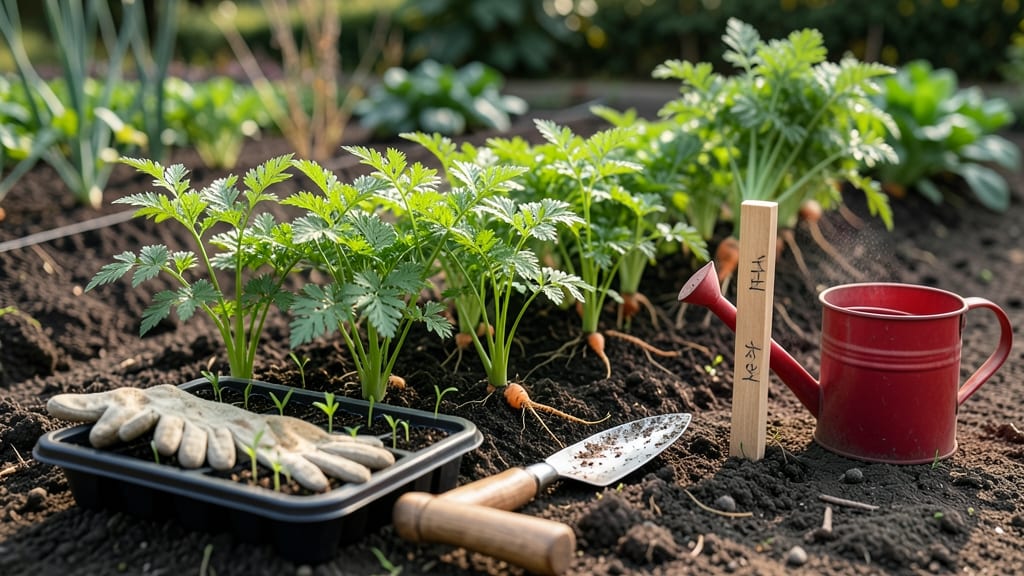
If you've ever wondered when to plant carrots in Georgia without risking frost or summer heat ruining your crop, you're in the right place. Georgia’s warm climate and long growing season make it ideal for 🥕, but timing is everything—especially when dealing with clay-heavy soil and unpredictable spring frosts.
Most gardeners in 7a-9a zones swear by two key windows: mid-February to early April for spring harvests and late August to early October for fall crops. But here's the secret: soil temperature matters just as much as calendar dates.
Plant too early when the ground is still chilly, and your seeds won't germinate; too late, and you'll end up with tough, woody roots.
In this guide, I'll break down the exact frost-free window for North, Middle, and South Georgia, plus soil prep tricks to ensure your carrots grow sweet and straight.
Whether you're a beginner or a seasoned gardener, these tips will help you avoid common pitfalls and enjoy a bountiful harvest from May through November.
Ready to transform your garden into a carrot patch? Let's dive into the timing and techniques that work best in Georgia's unique climate—so you can enjoy homegrown 🥕 all season long.
Georgia’s ideal carrot planting dates by region (frost-free window guide)
Georgia’s diverse climate zones mean your carrot planting window depends heavily on location. North Georgia’s cooler USDA Zone 7a has stricter frost dates, while South Georgia’s Zone 9a enjoys longer growing seasons. Let’s break down the exact frost-free windows for each region to maximize your harvest.
For North Georgia (Atlanta metro and higher elevations), aim to plant carrot seeds between mid-February and early April. This window ensures soil temperatures stay above 50°F (10°C), which is critical for germination.
In Middle Georgia (Columbus, Macon), you can start as early as late January and extend through mid-April.
In South Georgia (Savannah, Brunswick), the frost-free season stretches from early February to late April, giving you more flexibility. However, summer heat can cause bolting, so plan fall plantings carefully too.
🌱
| Region | Last Frost Date | First Frost Date | Spring Planting Window | Fall Planting Window |
|---|---|---|---|---|
| North GA (Zone 7a) | Mid-March | Mid-November | Mid-February to early April | Late August to early October |
| Middle GA (Zone 7b-8a) | Early March | Late October | Late January to mid-April | Early August to mid-October |
| South GA (Zone 8a-9a) | Late February | Early November | Early February to late April | Mid-July to early November |
Always check your local USDA Plant Hardiness Zone for precise frost dates, as microclimates can shift windows by weeks. For example, mountainous areas in North Georgia may experience frost as late as April 15, while coastal regions rarely see frost before November 15.
For fall plantings, aim to sow seeds 8-10 weeks before your first frost date. This gives carrots enough time to mature before cold weather sets in. In North Georgia, this means late August to early October, while South Georgia gardeners can extend plantings until early November.
Pro tip: Use row covers to push spring plantings 2-3 weeks earlier or extend fall harvests by 3-4 weeks later. This is especially useful in Zone 7a, where frost can strike unexpectedly.
🌿
If you’re unsure about your exact frost dates, consult your local Cooperative Extension Service. They provide hyper-localized advice tailored to your county’s climate patterns. For example, Dahlonega’s frost dates differ significantly from Athens’, even though they’re just 50 miles apart.
Remember, carrot seeds need soil temperatures of at least 50°F (10°C) to germinate. Use a soil thermometer to confirm readiness—cold soil is the #1 reason for poor germination in Georgia’s unpredictable spring.
☀️
Soil preparation secrets for sweet, straight carrots in Georgia’s clay-heavy soil
Georgia’s famous clay-heavy soil can make or break your carrot crop. If you’ve ever pulled up forked, knobby roots, you know the struggle—carrots need loose, well-draining soil to grow straight and tender.
The key is amending your soil before planting to create the perfect environment for those sweet, crisp roots.
Start by testing your soil’s pH level—carrots thrive in slightly acidic to neutral soil (6.0-7.0).
If your soil is too alkaline, mix in compost or peat moss to lower the pH. Georgia’s clay also compacts easily, so avoid working it when wet—wait until it’s dry enough to crumble in your hands but moist enough to till.
Here’s my go-to soil prep routine for Georgia gardens: 1. Remove rocks and debris (carrots hate obstructions!)
- Loosen the top 12 inches with a broadfork or tiller
- Mix in 3-4 inches of compost (homemade or store-bought)
- Add coarse sand or perlite (1 part to 3 parts soil) to improve drainage
⚠️ Warning: Common Mistakes That Ruin Carrots
- Over-tilling clay soil creates a hardpan—carrots can’t penetrate it.
- Planting in fresh manure causes forking and bitter flavors.
- Skipping soil tests leads to pH issues that stunt growth.
Pro Tip: Work in aged compost (at least 3 months old) to avoid burning roots.
For container gardening in Georgia, use a lightweight potting mix combined with 20% perlite or vermiculite. Fill containers at least 12 inches deep—shallow pots will produce stunted roots.
If you’re planting in raised beds, layer 1-2 inches of sand at the bottom before adding soil mix to prevent compaction.
After prepping your soil, cover rows with 1-2 inches of mulch (straw or shredded leaves work best). This keeps moisture consistent and prevents bolting (when carrots flower prematurely in Georgia’s heat). Water deeply before planting to settle the soil—this helps prevent air pockets that cause forking.
One final secret: Plant companion crops like radishes or lettuce between carrot rows. Radishes mature quickly and help break up soil, while lettuce shades the ground to keep roots cool. Just avoid planting carrots near dill or parsley—these herbs can cross-pollinate and cause bitter flavors.