
Companion Plants
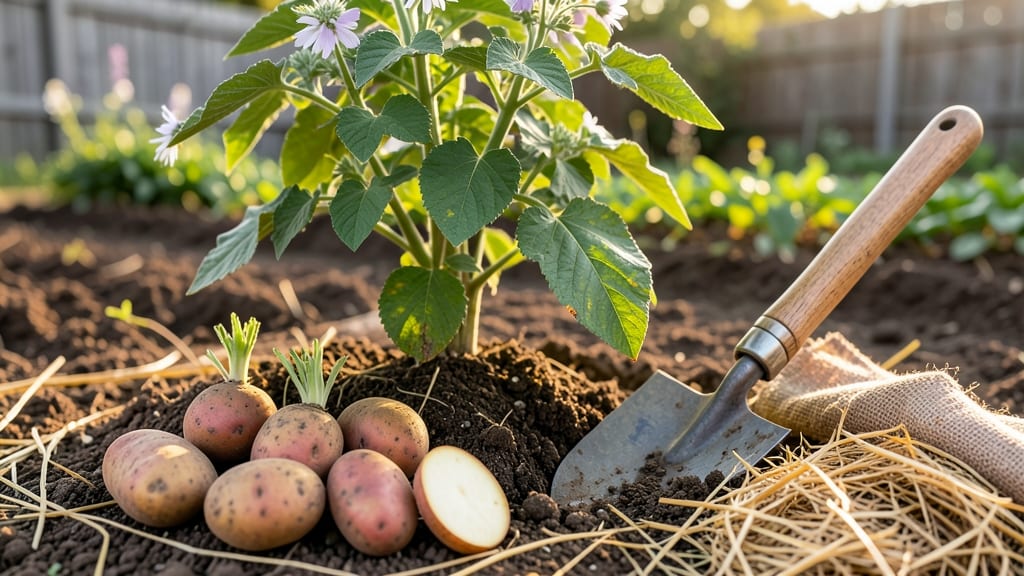
Timing when you can plant potatoes in Zone 5b can make or break your harvest—get it wrong, and you might end up with frost-damaged sprouts or stunted tubers. Unlike warmer climates, Zone 5b’s unpredictable spring weather demands precision, especially when late frosts can linger well into April.
The key is planting early enough to outpace frost but not so soon that cold soil stalls growth. Most gardeners here start seed potatoes indoors 4–6 weeks before the last frost date (around mid-March), then transplant once soil temperatures hit a steady 45°F—usually by early April.
But here’s the catch: some varieties thrive better than others in Zone 5b’s short season. Early harvesters like Yukon Gold give you a head start, while late-season keepers need extra protection from fall frosts.
I’ll walk you through the best planting windows, frost-proofing tricks, and how to tell when your potatoes are truly ready to harvest.
Skip the guesswork—this guide cuts through the confusion with a Zone 5b-specific timeline so you can plant with confidence and enjoy a harvest that’ll last all winter.

Zone 5b potato planting timeline: when to start indoors vs. direct sowing
Timing is everything when planting potatoes in Zone 5b. Since this zone experiences late frosts well into April, rushing your planting can leave your tubers vulnerable to cold damage.
The key is balancing soil warmth (ideal: 45°F+) with frost risk—aim to plant 4-6 weeks before your last frost date (typically around April 15 in Zone 5b).
For early varieties, you can start indoor seed potatoes as early as late February to give them a head start. This method buys you critical time if spring arrives late.
Meanwhile, direct sowing can begin as soon as the soil is workable—usually mid-to-late April—but only after the threat of hard frosts has passed.
Here’s the breakdown of your Zone 5b potato planting window:
| Stage | Action | Zone 5b Timeline |
|---|---|---|
| Indoor Start (Early Varieties) | Sprout seed potatoes in pots | Late February – Early March |
| Hardening Off | Acclimate to outdoor temps | Mid-March – Early April |
| Direct Sowing (Early Varieties) | Plant in prepared beds | Late April – Early May |
| Direct Sowing (Mid/Late Varieties) | Plant after last frost | Mid-May – Early June |
| Succession Planting | Plant every 2–3 weeks | May – June |
If you’re planting seed potatoes indoors, use well-draining pots filled with light potting mix and place them in a bright, cool location (60–65°F). Once sprouts reach 3–4 inches, harden them off by gradually exposing them to outdoor conditions for 1–2 weeks before transplanting.
For direct sowing, wait until the soil temperature consistently stays above 45°F—use a soil thermometer to check. Plant seed potatoes 4 inches deep and 12 inches apart, with rows spaced 2–3 feet apart to allow for hill building as plants grow.
Pro tip: Use black plastic mulch or straw mulch to warm the soil faster and protect young plants from late frosts. This trick can shave 1–2 weeks off your growing season, giving your potatoes a stronger start.
Remember, Zone 5b’s short growing season (about 165 frost-free days) demands efficiency. Planting too late risks underdeveloped tubers, while planting too early exposes them to cold soil, which can stunt growth or invite rot. Strike that balance, and you’ll be harvesting golden potatoes by mid-to-late summer!
Zone 5b potato planting timeline: when to start indoors vs. direct sowing
Zone 5b gardeners face a critical challenge: balancing early planting with late frost risks. The average last frost date here is April 15, but soil may not be workable until mid-to-late April.
Timing is everything—plant too early and frost will kill tender sprouts; too late, and your harvest window shrinks. The key is understanding soil temperature thresholds and variety-specific readiness.
For indoor starts, begin 4-6 weeks before your last frost date—typically late February to early March. This gives seedlings a head start in cool indoor conditions (60-65°F).
Harden them off for 1-2 weeks before transplanting after frost risk passes. Direct sowing, meanwhile, should wait until soil reaches 45°F+, usually mid-to-late April.
| Stage | Action | Zone 5b Timeline |
|---|---|---|
| Indoor Start | Sow seed potatoes in containers | Late February–Early March |
| Harden Off | Acclimate to outdoor temps | Late March–Early April |
| Direct Sow | Plant in warmed soil (45°F+) | Mid-to-Late April |
| Frost Protection | Use row covers or black plastic | Until May 1 |
Your soil temperature is the ultimate decider. Use a soil thermometer to confirm readiness—potatoes won’t sprout until soil hits 45°F. In Zone 5b, this often aligns with late April, but black plastic mulch can warm soil 2-3 weeks earlier.
For early varieties (60-70 days to maturity), aim for direct sowing by April 15 to harvest by late June.
Pro tip: Plant two successions—one in early April (with frost protection) and another in mid-May—to stretch your harvest. Use row covers or cold frames for the first planting to shield from late frosts (which can hit until May 1 in Zone 5b).
This strategy ensures you’ll have new potatoes in summer and storage varieties for fall.
If you’re unsure about your last frost date, check local records or use the USDA Plant Hardiness Zone Map for your specific location. For example, Chicago’s last frost averages April 19, while Boston’s is April 25. Adjust your timeline accordingly—precision saves potatoes.
Remember, potatoes hate cold soil. If you plant too early and hit a late frost, your tubers may rot. Wait for consistent warmth and drainage—these are non-negotiable for Zone 5b success. With the right timing, you’ll enjoy homegrown spuds from July through October!