
Flowers
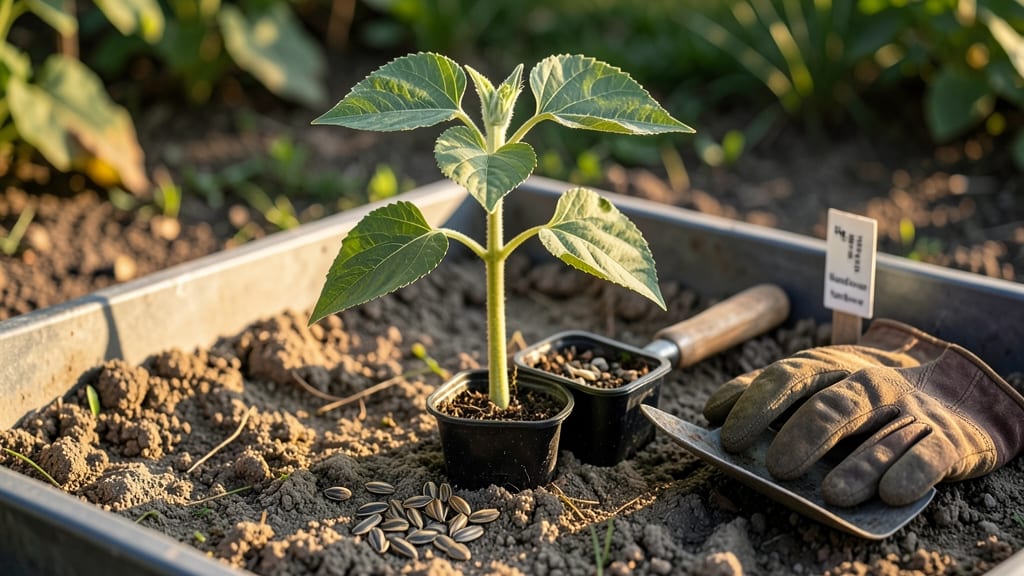
If you’ve ever dreamed of growing towering sunflowers 🌻 and wondered when you can plant sunflowers in Florida to turn heads in your garden, timing is everything—and getting it wrong means sad, wilted blooms instead of vibrant giants.
Florida’s warm climate means you can plant sunflowers year-round, but knowing the ideal months for each region makes all the difference between a thriving garden and a disappointing one.
The key to success? Planting when the soil warms up (after January 15 in North Florida or anytime in South Florida’s frost-free zones). Early spring and late summer are your best bets, but heat-tolerant varieties can handle Florida’s summer heat—if you choose the right ones.
Whether you’re in Zone 8a or Zone 11, I’ll break down the exact months to plant, plus the varieties that will flourish in your backyard.
Beyond timing, Florida’s microclimates mean your neighbor’s perfect sunflower patch might not work for you. We’ll cover soil prep, spacing, and even companion plants to keep pests at bay.
By the end, you’ll know exactly when to drop those seeds for sunflowers that reach their full potential—no guesswork, just stunning blooms.
Ready to grow sunflowers that make your Florida garden the talk of the neighborhood? Let’s get started with the step-by-step guide you need to plant at the perfect time and watch them grow.
Best planting months for sunflowers in Florida by region
Florida’s frost-free climate means you can grow sunflowers year-round, but timing matters for optimal blooms. North Florida’s cooler winters (USDA Zone 8a) and South Florida’s tropical warmth (Zone 11) create distinct planting windows.
Let’s break it down by region to ensure your sunflowers reach their full 10+ foot height without stress.
In North Florida (e.g., Jacksonville, Gainesville), plant sunflowers between mid-February and early April for spring blooms. This gives them time to mature before summer heat peaks. For a fall display, sow seeds in late July to mid-August, ensuring they bloom before cooler weather arrives in December.
Central Florida (Orlando, Tampa) offers a longer growing season. Start seeds in January to March for spring blooms or July to August for fall. The 300+ frost-free days here let you experiment with year-round planting, though summer heat may require extra care.
For South Florida (Miami, Fort Lauderdale), you’re in luck—sunflowers can be planted almost anytime. Focus on January to April for spring and August to September for fall. The tropical climate supports continuous blooms, but avoid planting during hurricane season (June-November) to protect young seedlings.
Sunflowers thrive in Florida’s heat, but soil temperature is key. Wait until soil reaches 50°F+ in cooler months or ensure well-draining soil to prevent root rot. For container gardening, use large pots (12"+ diameter) and plant in full sun spots like patios or rooftops.
Pro tip: Direct sow seeds 1 inch deep, 6-12 inches apart (depending on variety). Sunflowers hate transplanting, so skip starting indoors unless you’re in North Florida with early frosts. Thin seedlings to 18-24 inches apart for giant varieties like Russian Giant.
In Florida’s humid summers, watch for powdery mildew. Space plants for airflow and water at the base (not overhead). For extended blooms, deadhead spent flowers—this encourages secondary blooms and keeps your garden vibrant from spring to fall.
If you’re aiming for seed harvest, plant a second crop in late summer (August-September). Seeds mature in 60-90 days, so time it right to avoid winter rains. Store dried seeds in a cool, dry place for next year’s planting.
For cut flowers, harvest when 2/3 of petals open—this extends vase life. Choose sturdy stems like Moulin Rouge (red blooms) or Autumn Beauty (multi-colored) for long-lasting arrangements. 🌻
Best planting months for sunflowers in Florida by region
Florida’s climate lets you grow sunflowers year-round, but timing matters for optimal blooms. North Florida’s cooler winters mean late winter to early spring planting, while South Florida’s frost-free zones allow fall and winter sowing. Let’s break it down by region for peak performance.
In North Florida (Zones 8a-8b), plant sunflowers between mid-February and April. This timing avoids late frosts (after January 15) and ensures 60-90 days of growth before summer heat peaks. For fall blooms, try late summer (August-September) planting.
Central Florida (Zones 9a-9b) enjoys longer growing seasons. Start seeds in January-February for spring blooms or August-September for fall displays. The frost-free period here is 300+ days, giving you flexibility.
| Region | Best Planting Window | Avoid Planting After | Key Tip |
|---|---|---|---|
| North Florida (Zones 8a-8b) | Mid-February to April | May (extreme heat) | Use heat-tolerant varieties |
| Central Florida (Zones 9a-9b) | January-February or August-September | June-July (monsoons) | Well-draining soil is critical |
| South Florida (Zones 10a-11) | September-November or February-March | December-January (humidity) | Mulch to retain moisture |
South Florida (Zones 10a-11) gardeners can plant sunflowers almost anytime, but September-November and February-March yield the best results. The humid summers can stress young plants, so avoid planting during June-August unless using shade cloth.
For year-round success, choose heat-tolerant varieties like 'Autumn Beauty' or 'Russian Giant'. These thrive in Florida’s 90°F+ temperatures and high humidity. Always plant seeds 1 inch deep and space them 6-12 inches apart based on mature size.
Pro tip: Succession plant every 2-3 weeks in spring for continuous blooms until fall. This works especially well in Central and South Florida where the growing season never truly ends.